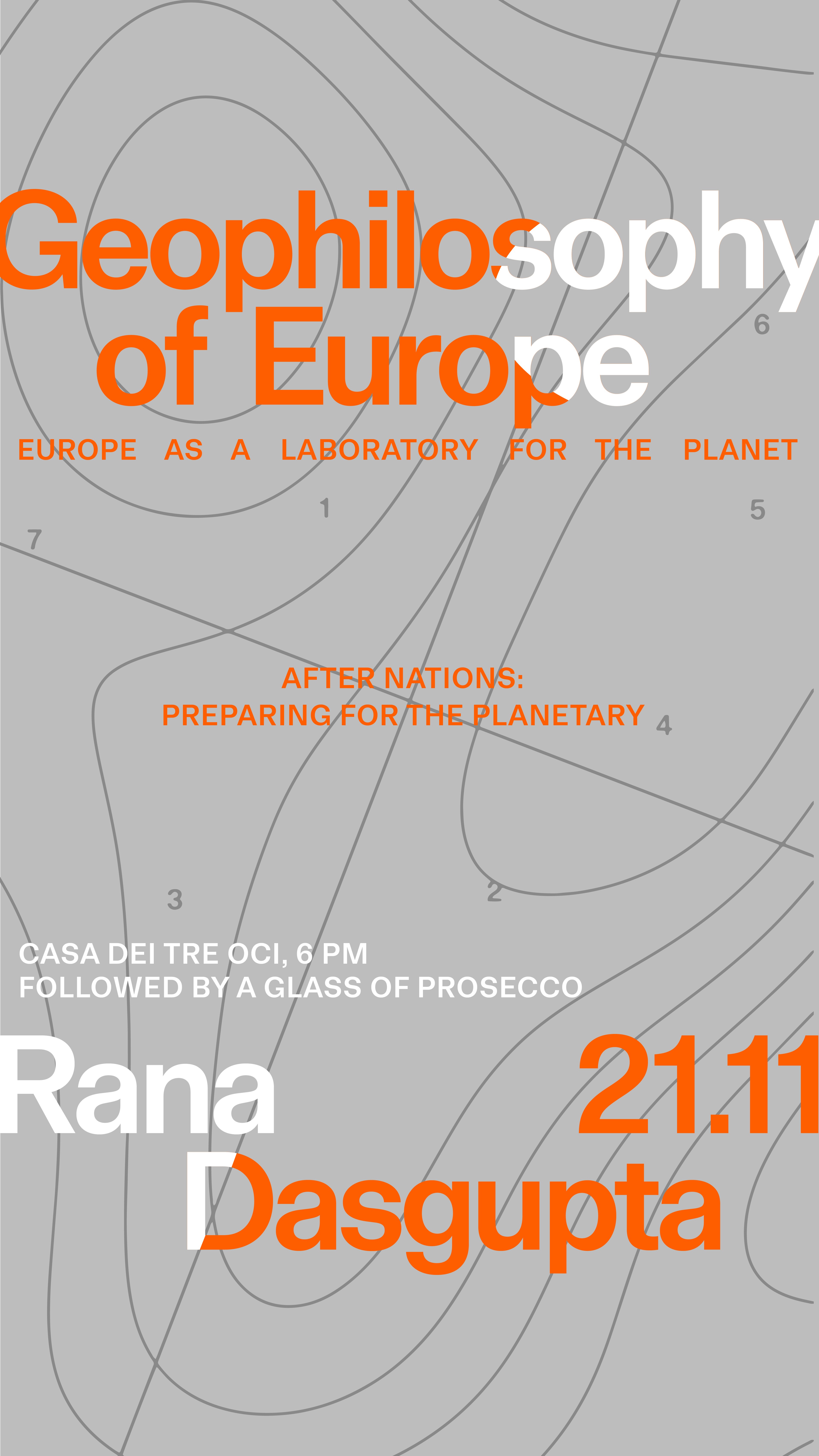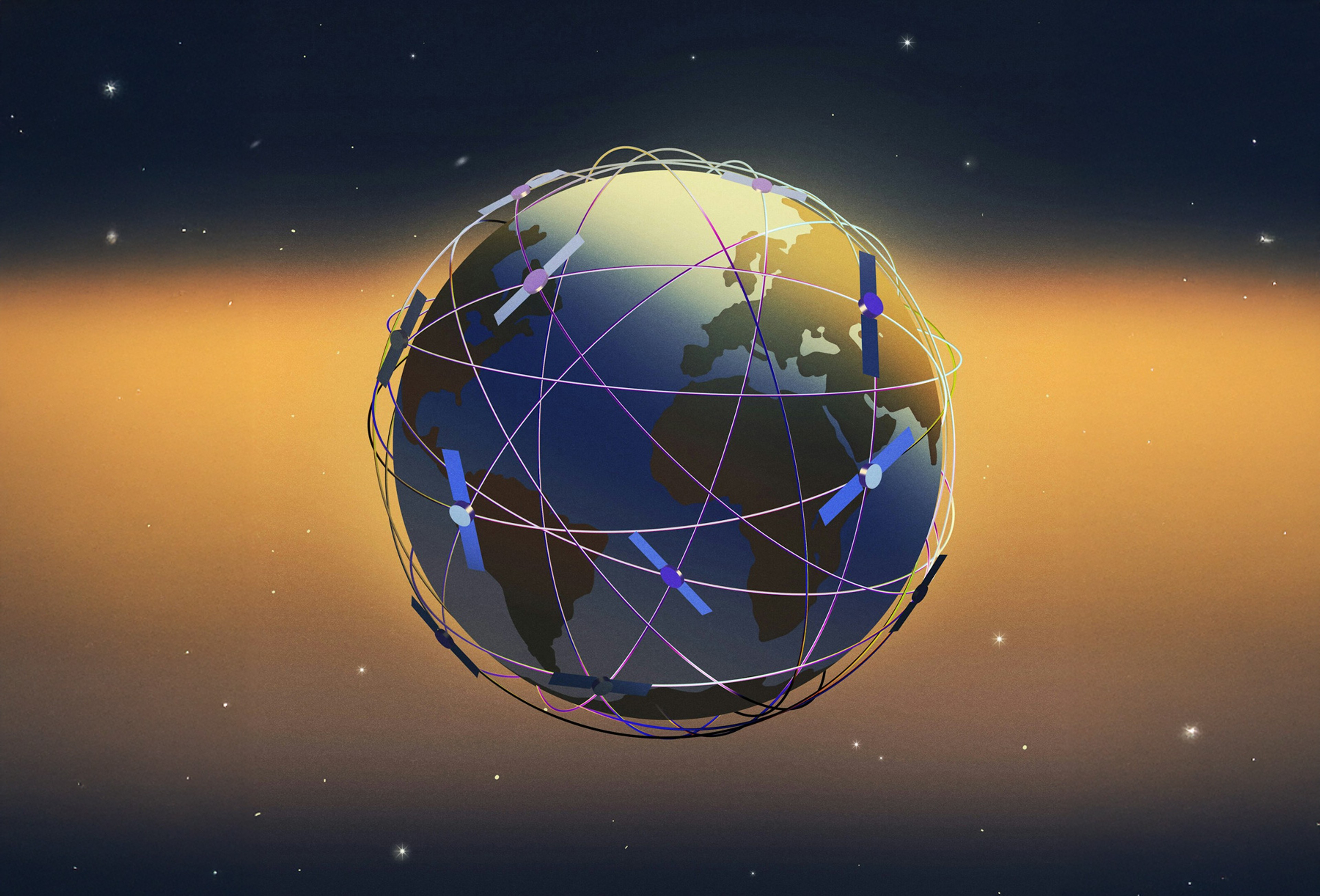
Planetary Challenges and Geo-Philosophy
It has become commonplace that the complexity and novelty of the planetary challenges we face requires fresh thinking, but few institutes or programs engage at the fundamental philosophical level at which these new paradigms and concepts need to be uncovered and generated. By leveraging the unique geographical reach of Berggruen Institute across three continents, we bring together thinkers from every domain to draw on diverse traditions of thought, ontologies, metaphysics and experiences to address common questions.
We understand ‘geophilosophy’ to be a renovation of the place of philosophy at the center of the lived experience of humanity’s common predicament that can shape meaning and give sense and direction to our actions.
One early step along this path was the publication by BI associates Nils Gilman and Jonathan Blake of “Children of A Modest Star: Planetary Thinking for an Age of Crisis.”
Our center in Venice organizes monthly lectures on geo-philosophy by leading thinkers such as Slavoj Zizek, Giorgio Agamben, Rosi Braidotti, and Dipesh Chakrabarty. The results of this work appear every two months in short books of the Tre Oci book club, under two rubrics, ‘Geophilosophy’ and ‘Europa2057’.
From our Venice center we additionally sponsor an East/West Residency Program, bringing key Asian intellectuals for specially curated tours across Europe to engage in public and private gatherings, media events, and colloquia in partnership with established European academic, policy, and media organizations. These residencies, centered in Venice and stretching to Berlin, Paris, Madrid, Vienna and Rome, are meant to build new cooperative frameworks across civilizational outlooks that bridge East and West.
The China Center has initiated projects that draw on ancient wisdom, such as the Confucian notion of “Tianxia”, or “all under heaven,” to explore future-oriented planetary governance that aligns with the integral interests of humanity and our environment. The Family Philosophy Project offers philosophical insights and practical guidance on the ethical and social roles of the family and its interconnectedness with planetary challenges.
Our Europe center in Venice has explored how the ancient notion of universalism can be given new currency as an open and continuously constructed planetary practice for a multipolar world. This framework has been developed through global dialogues with philosophers, artists, curators, and scientists, and published in a book series that includes “What is Universalism?” (with Hans Ulrich Obrist) and Concrete Universality by BI Europe director Lorenzo Marsili.
Featured News

Geophilosophy Lecture Series: Michael Sandel at Casa dei Tre Oci
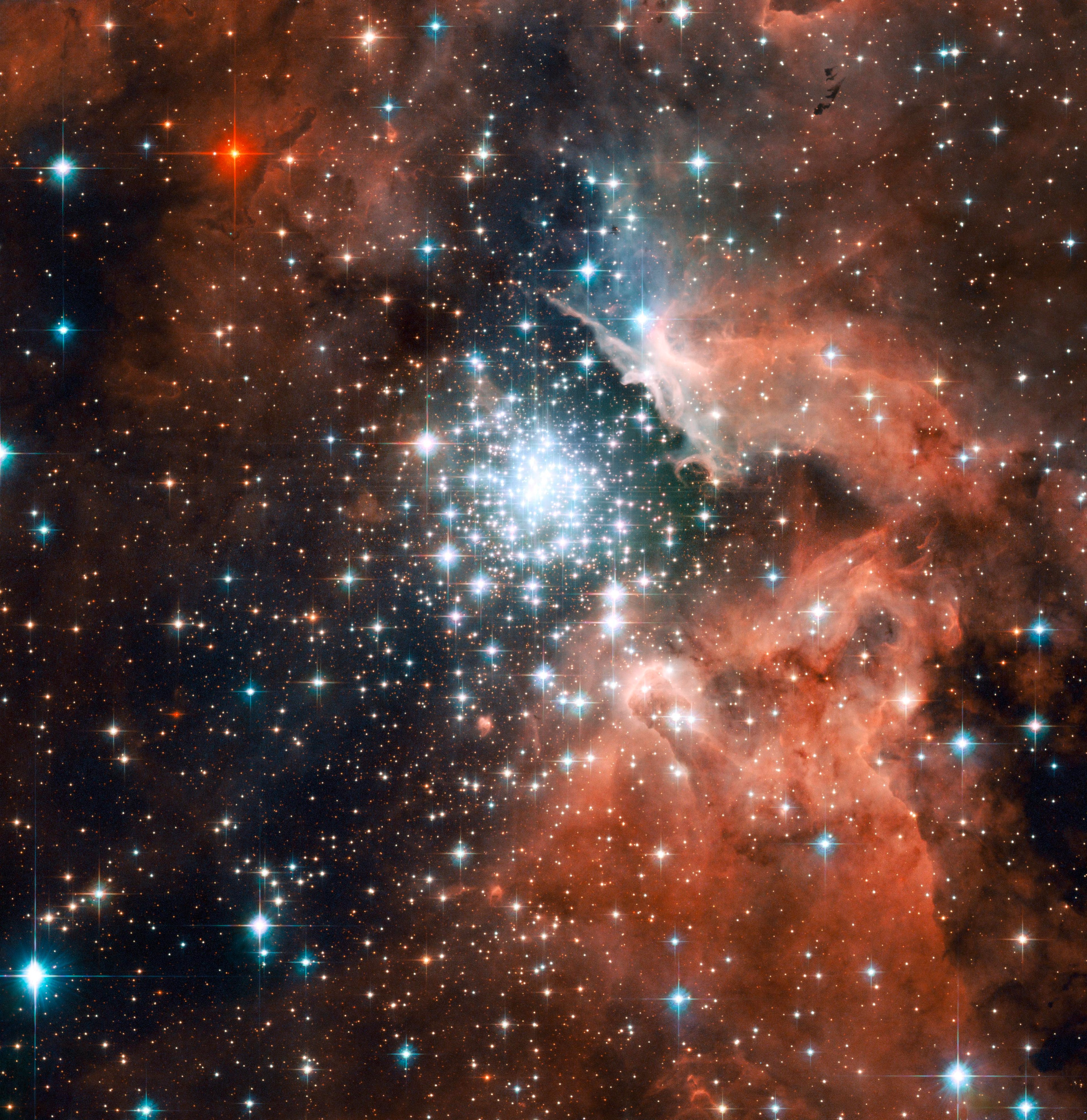
Life at the Cosmic Scale
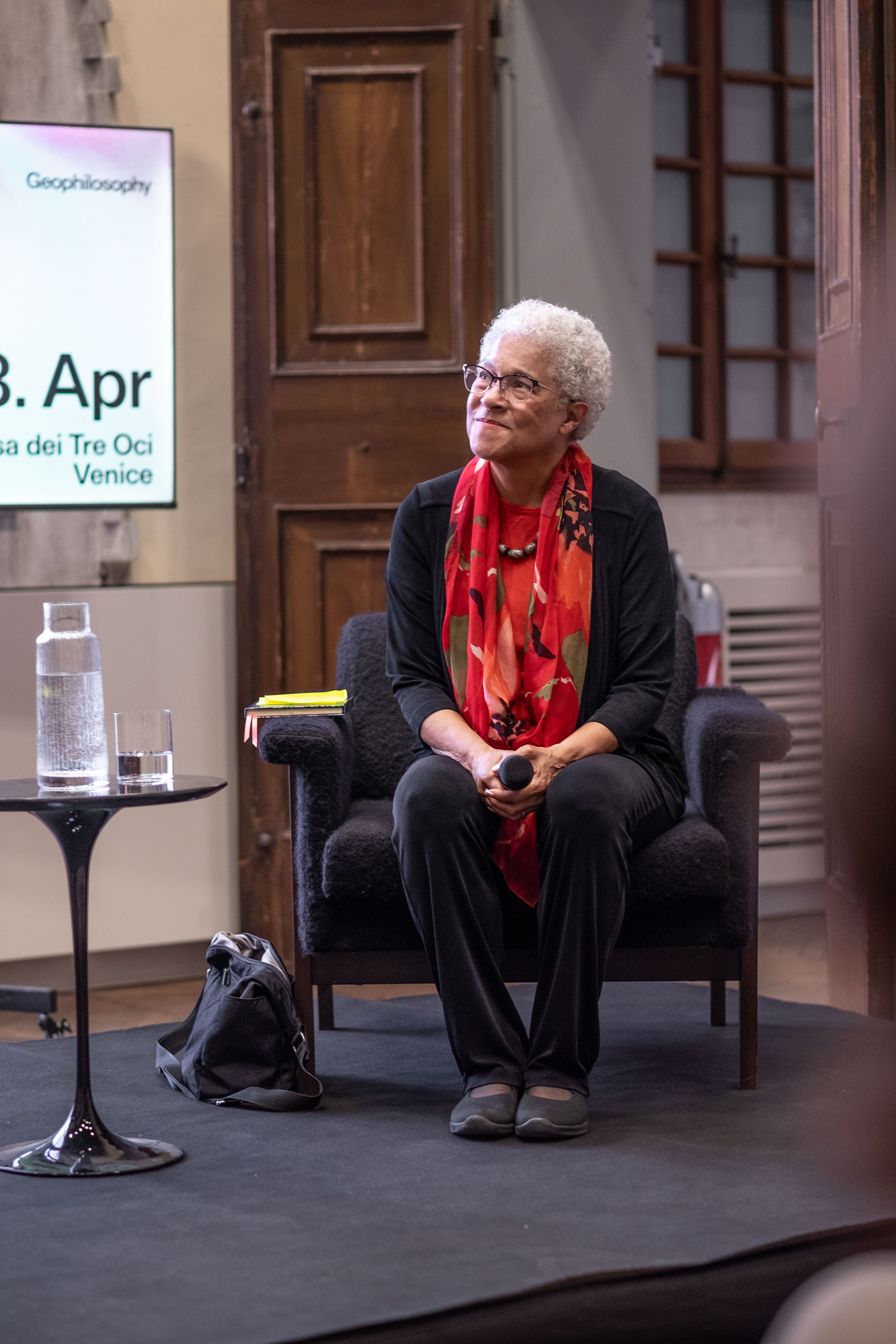
Geophilosophy Lecture Series: Patricia Hill Collins at Casa dei Tre Oci

Life at the Planetary Scale
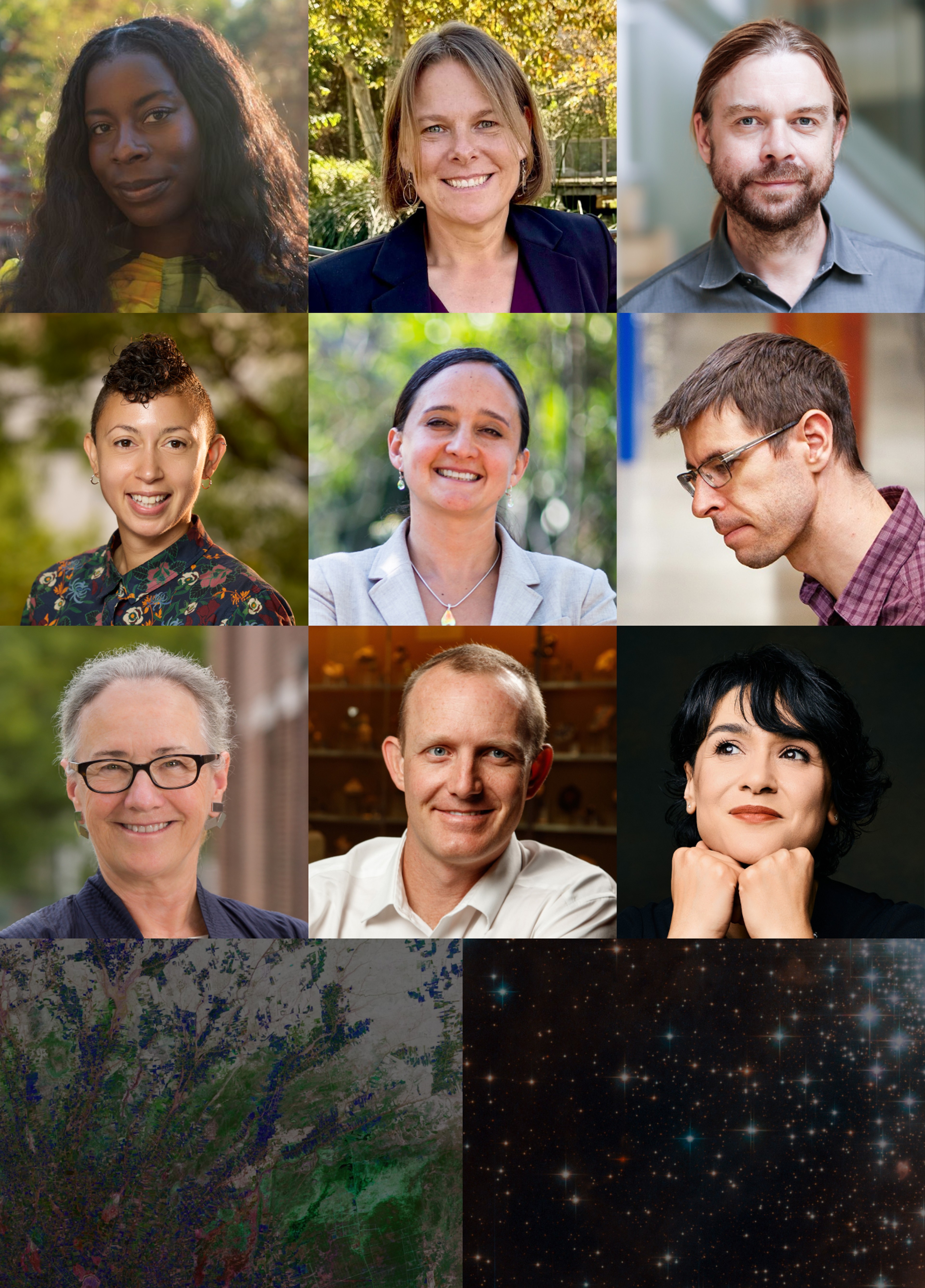
Life: From Our Guts to the Galaxy - Speakers
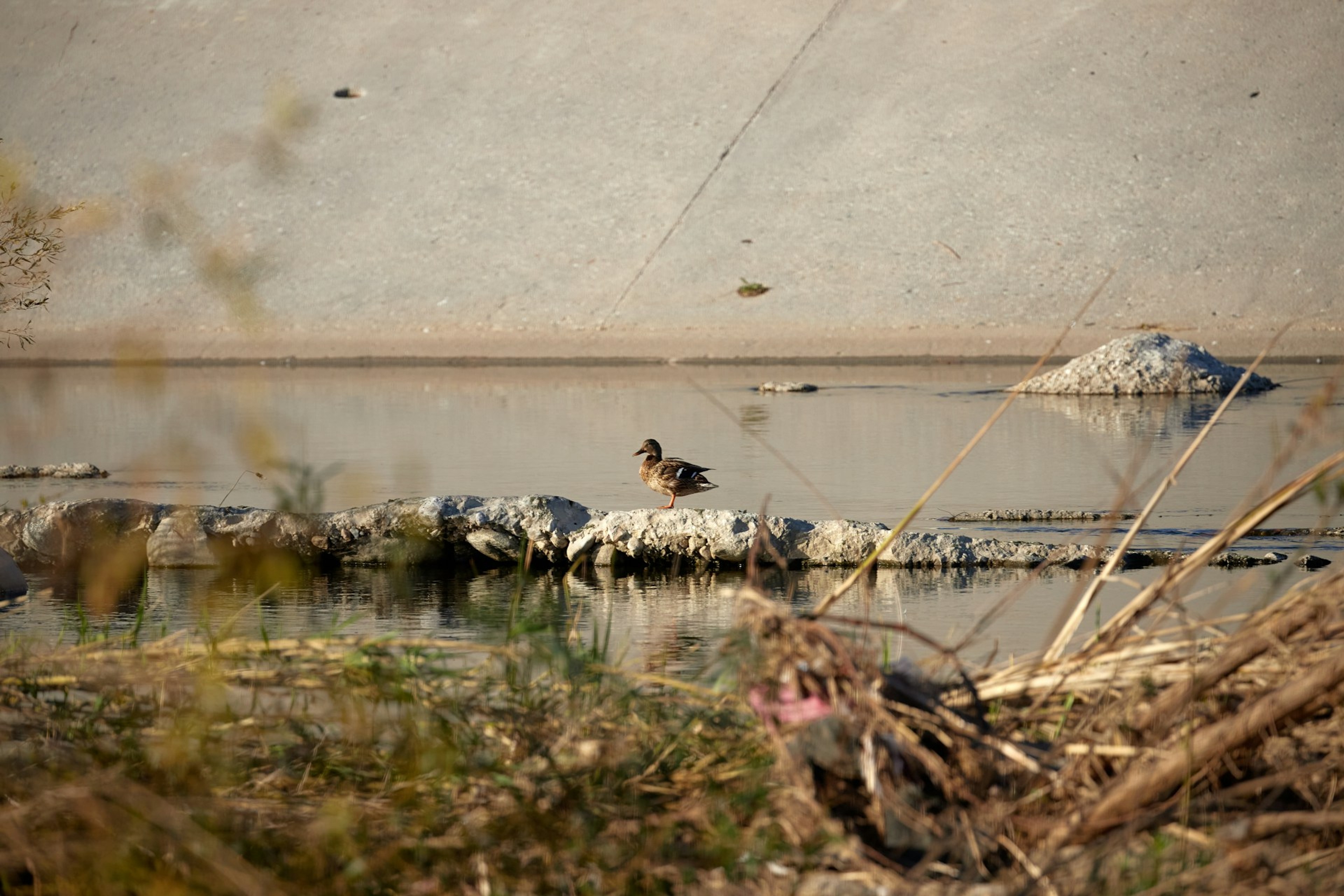
Life at the City Scale

Life at the Human Scale

Repairing Relationships through Ecological Restoration and Restorative Justice
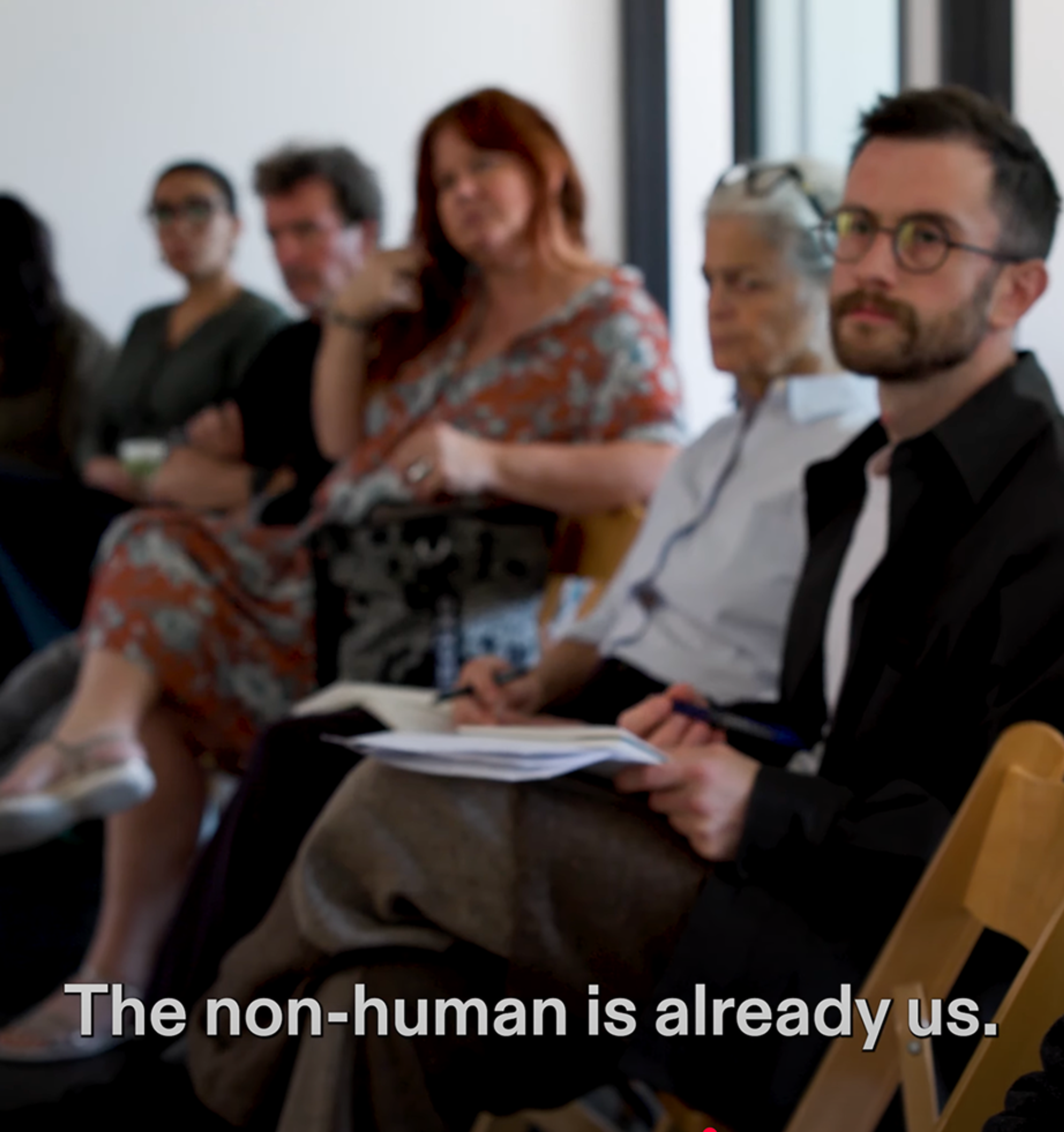
Multispecies Constitution Debate & Discussion

Jonathan S. Blake's Essay Published in LA Review of Books: Listening to the Nonhuman World
Nils Gilman on The Monocle Daily
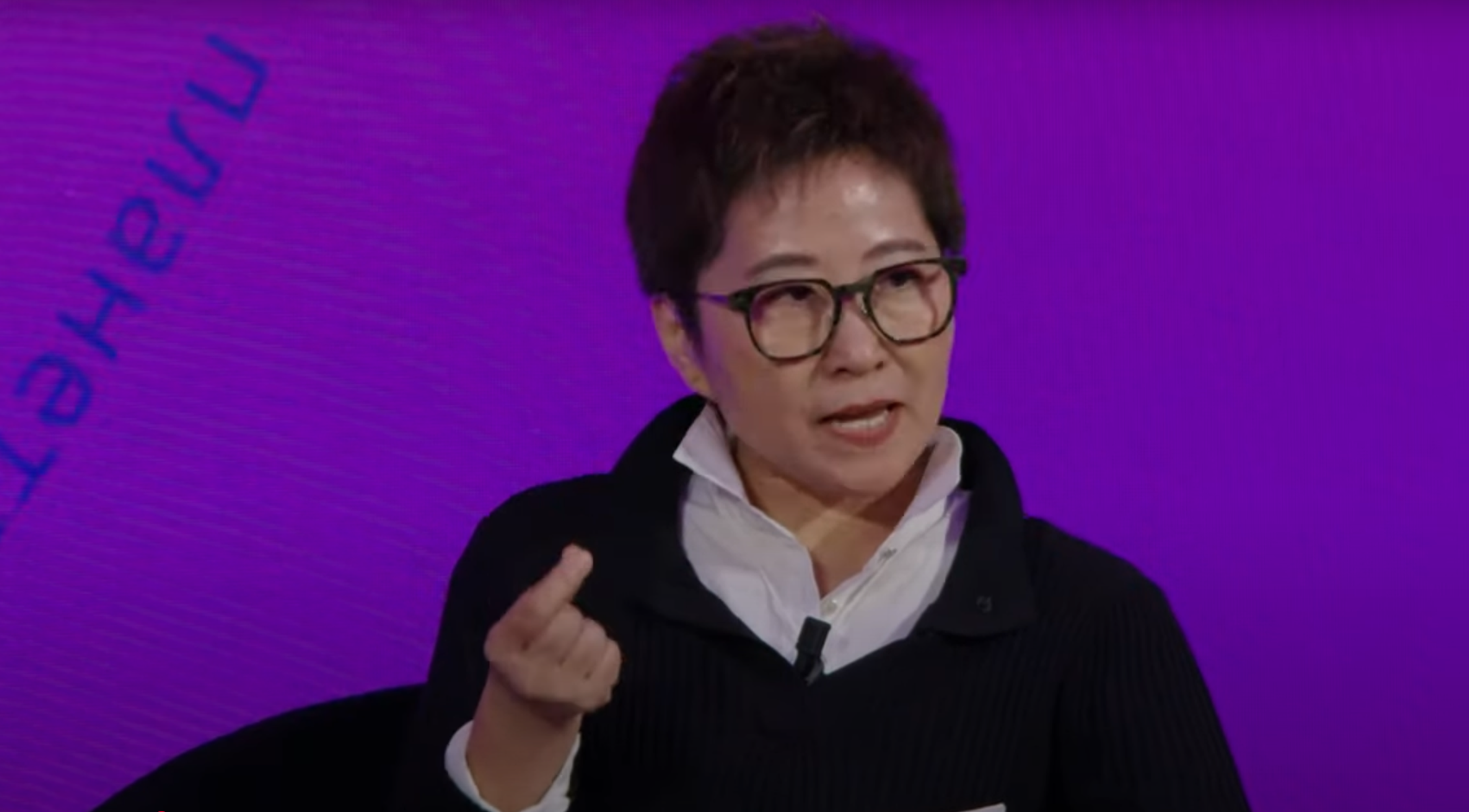
Planetary Summit Videos
Planetary Summit Press
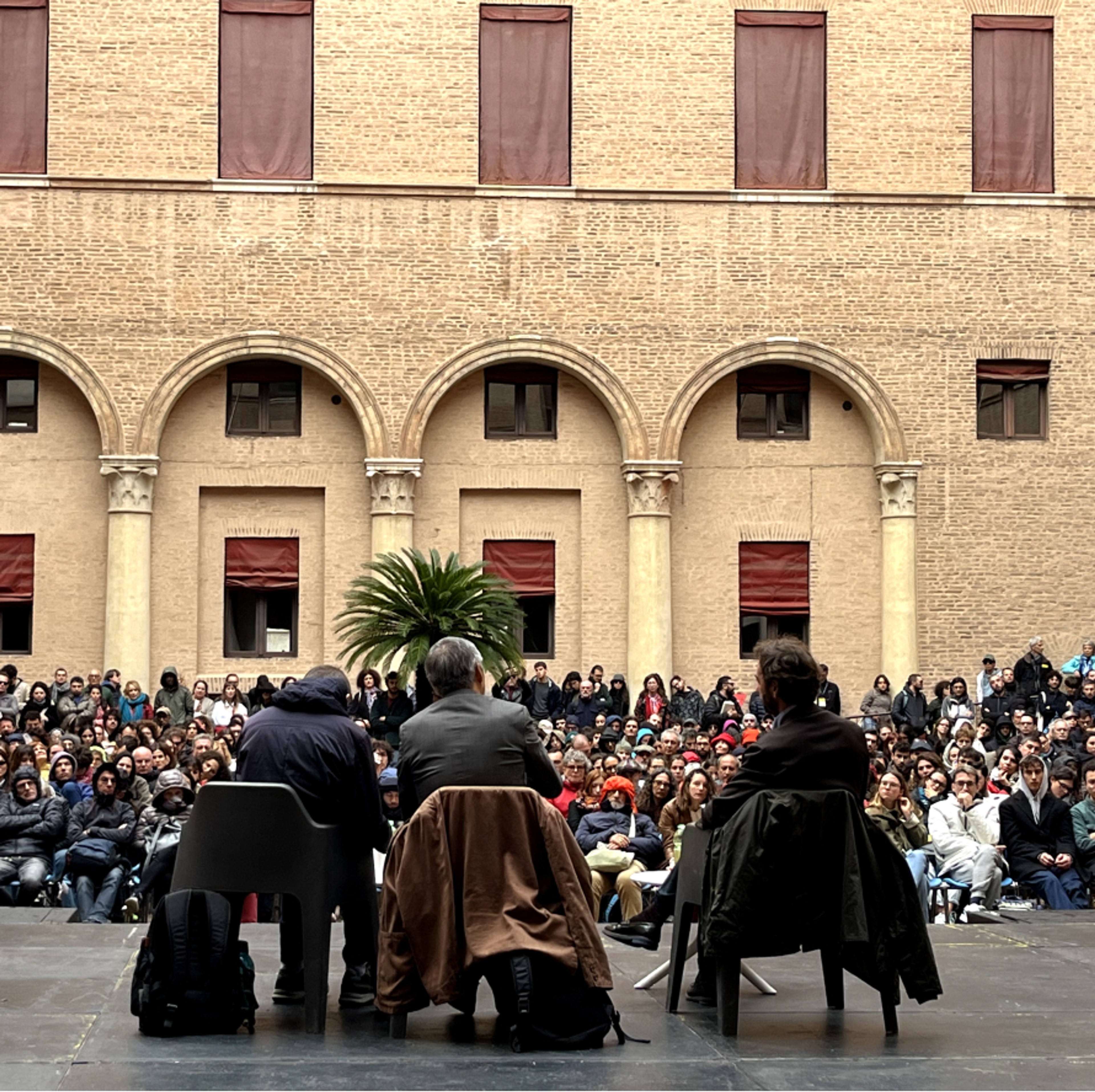
China, Europe and the world after globalization - Internazionale Festival in Ferrara
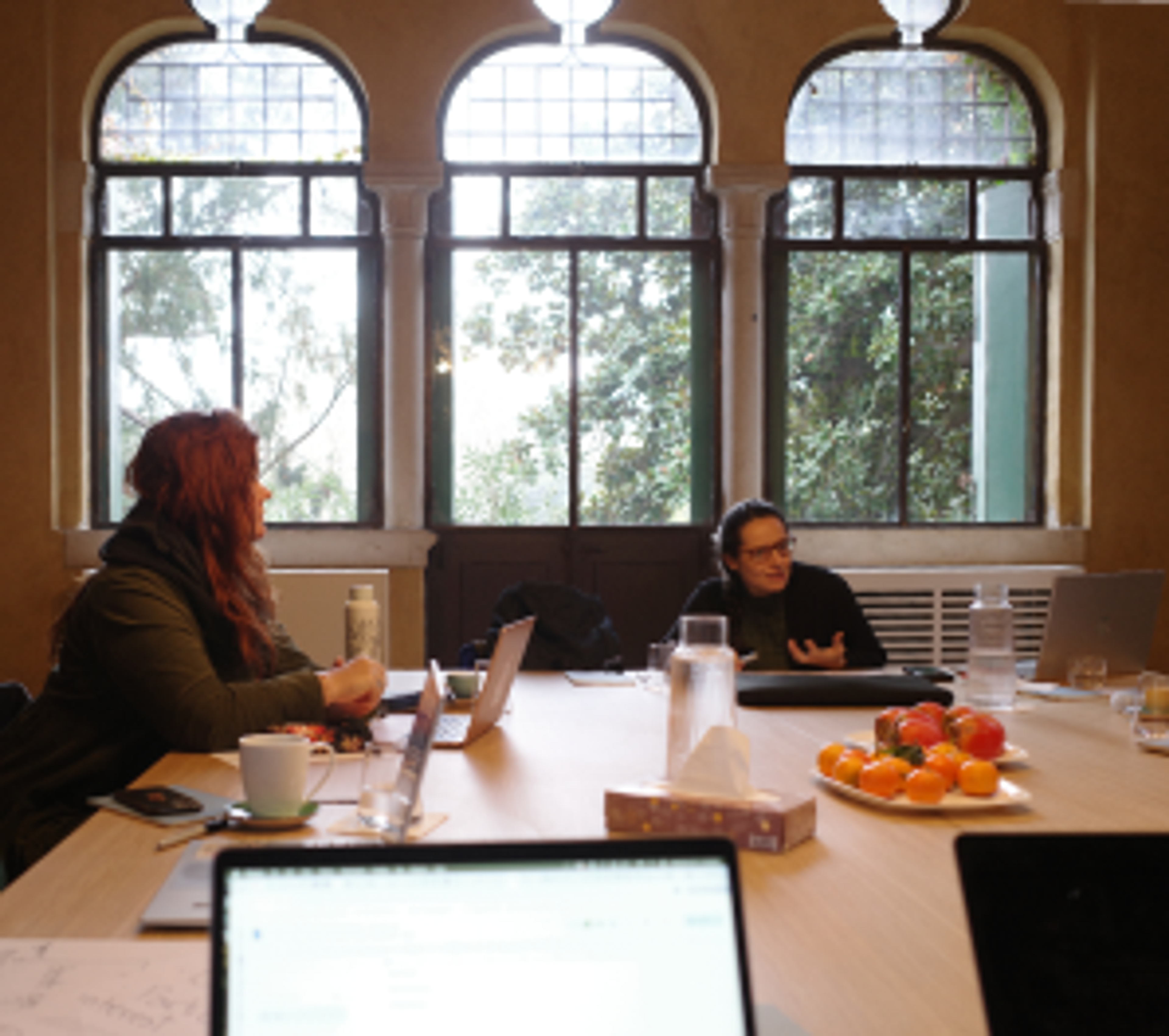
The Multispecies Constitution Project: Venice Workshop 2024
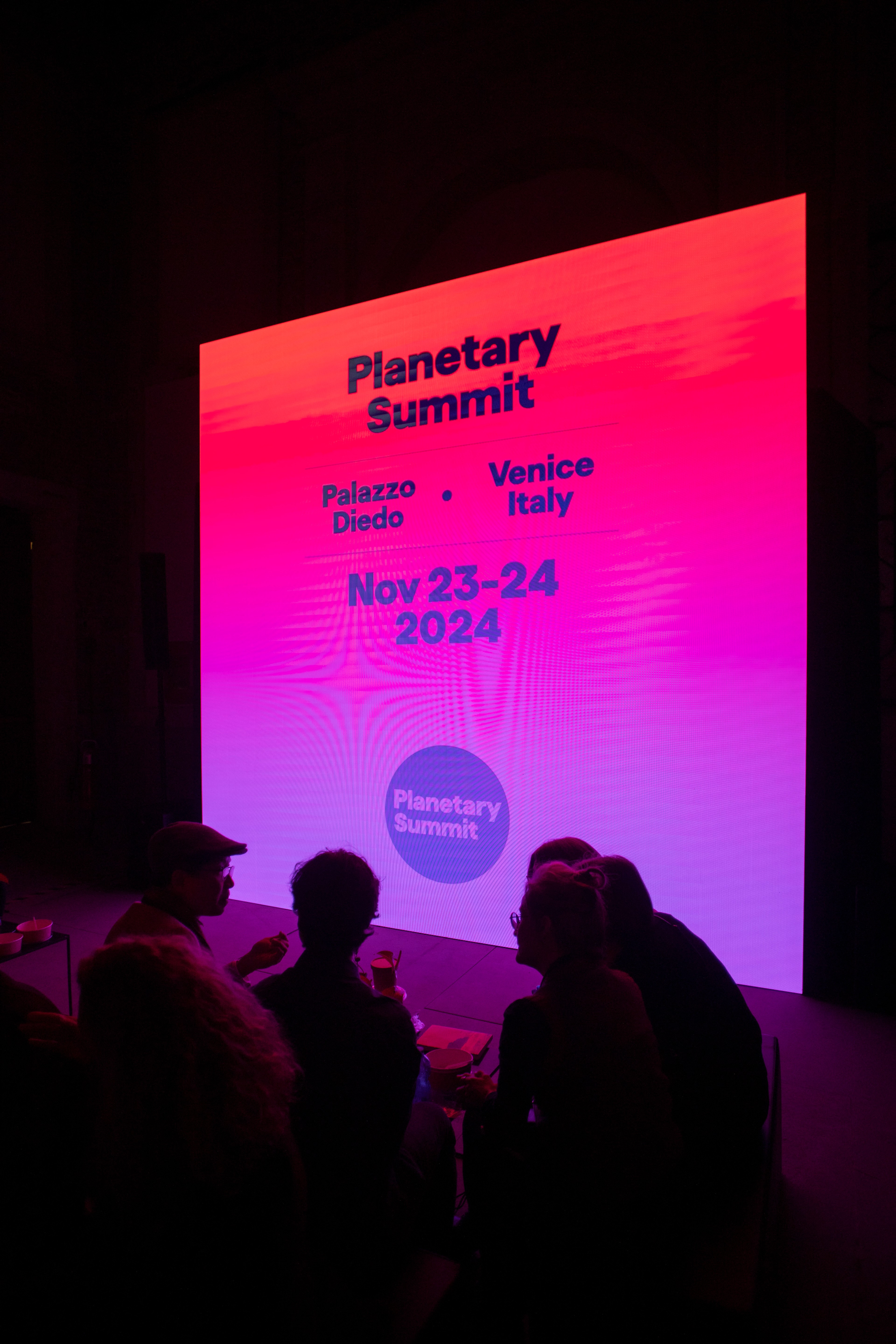
"Planetary Realism" opening plenary by Nathan Gardels
Planetary Summit 2024 Agenda
Planetary Summit Speakers
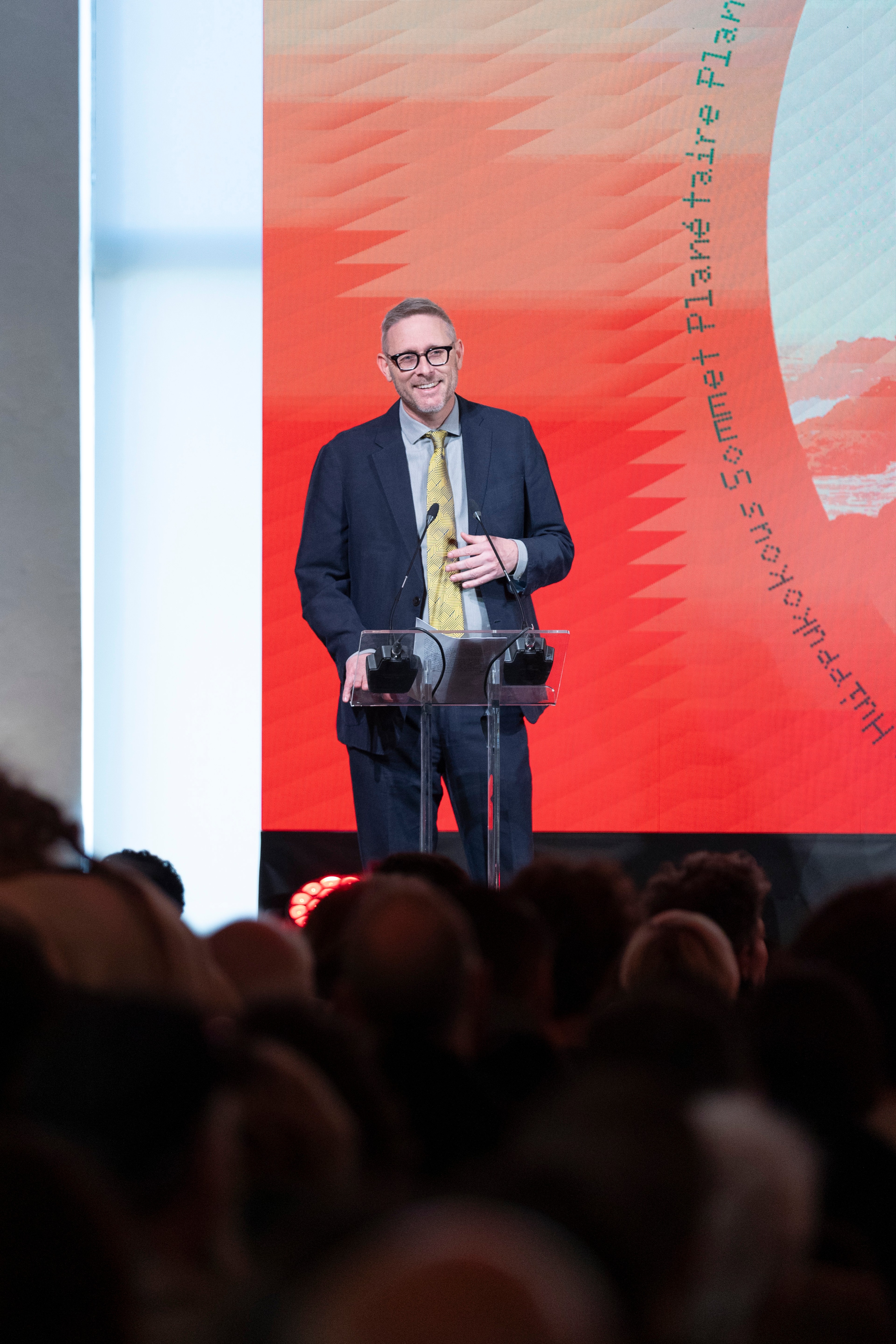
"The Planetary: Past Time for a New Paradigm" opening plenary by Nils Gilman

PALE FLUO DOT