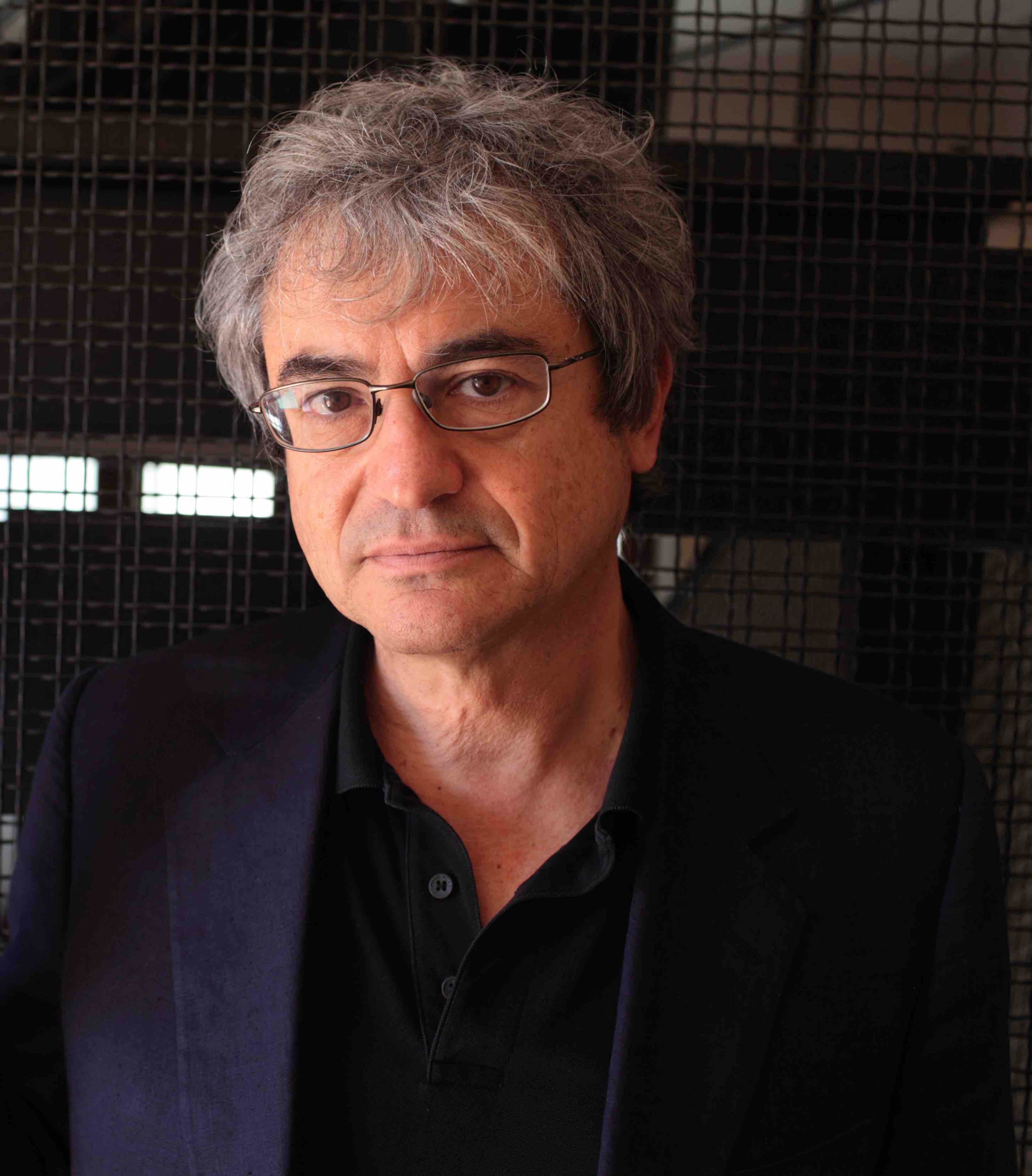
$1 Million Berggruen Philosophy Prize Awarded to Thomas Nagel
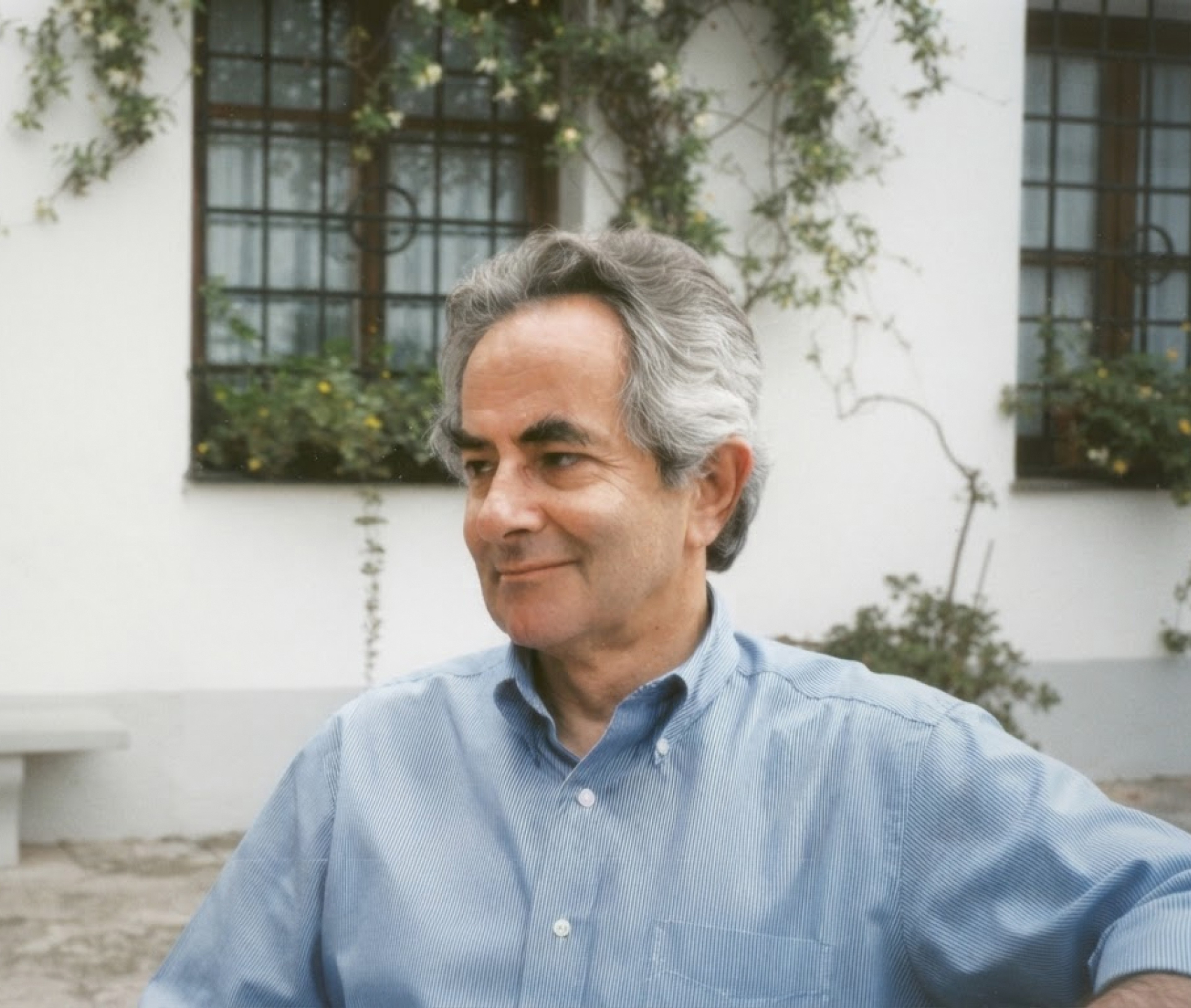
[LOS ANGELES, CA – November 17, 2026]
The Berggruen Institute today named distinguished philosopher Thomas Nagel as the 2026 laureate of the Berggruen Prize for Philosophy & Culture. The $1 million award is given annually to an individual whose ideas have profoundly shaped human self-understanding and advancement in a rapidly changing world.
One of the most significant philosophers of our time, Nagel has made long-lasting contributions through his scholarly work and commentary in the public sphere. His work spans moral philosophy, legal and political theory, metaphysics, and philosophy of mind, and he has deepened our understanding of consciousness, existence, altruism, equality, justice, and free will.
“Thomas Nagel asks: ‘What is it like to be [me]?’ ‘Who am I, what am I, and what is the nature of my consciousness?’ For Vedic thinkers, in present-day society, and possibly for future AIs, these enduring questions are central to subjectivity and human inquiry,” remarked Nicolas Berggruen, Chairman and Founder of the Berggruen Institute. “The Institute is pleased to recognize Thomas Nagel for his interrogation of the human experience and for expanding consciousness and our capacity to understand ourselves.”
Nagel studied in intellectual environments shaped by Ludwig Wittgenstein, John Rawls, J. L. Austin, Paul Grice, and Elizabeth Anscombe. His work has been especially influenced by the connection between philosophy and science; moral, political, and legal philosophy; and reflections on questions of life and death.
He is perhaps best known for his essay “What Is It Like to Be a Bat?,” published in 1974. The essay poses a fundamental question about the subjective experience of consciousness, and for the past five decades it has been routinely referenced in debates in philosophy, psychology, and neuroscience—and, most recently, AI.
In the essay’s fiftieth-anniversary edition, published in 2024, Nagel pursues the now famous question of how the subjective character of consciousness—what it is like for an organism—relates to the physical character of that organism. In recognizing the still unresolved nature of the question, he proposes as a possible solution a unifying metaphysics that underlies the apparent duality of mind and body, an idea whose roots he traces back to Spinoza.
“Nagel’s work has set the agenda for both the philosophy and the science of consciousness over the last fifty years. It has become all the more relevant in the 2020s where questions about consciousness in nonhuman animals and AI systems have been central. Nagel’s ideas force all of us to reflect on the relationship between subjective and objective, and his insights give us tools to think about these questions more clearly and more deeply,” said David Chalmers, University Professor of Philosophy and Neural Science and Co-Director of the Center for Mind, Brain, and Consciousness at New York University.
Beginning in The Possibility of Altruism (1970), and most comprehensively in The View from Nowhere (1986), Nagel wrestles with the place of subjectivity in a world increasingly dominated by science. He places the tension between the personal and impersonal standpoints at the center of moral and existential explorations. His work refers to Hobbesian, Kantian, and utilitarian theories of morality, addressing topics that are highly relevant today such as justice and partiality, and the role of public institutions in upholding legal, economic, and social equality.
In his collection of essays titled Mortal Questions (1979), Nagel explores a range of issues tied to birth and death, absurdity and meaning, pleasure and perversion, warfare and violence, and social justice and equality. In Mind and Cosmos (2012), he offers a provocative challenge to the prevailing Darwinian evolutionary accounts of human mind and cognition. He argues against an understanding of human consciousness as a product of merely physical evolution, positing instead that the mind is a basic element of reality.
Throughout his career, Nagel has enriched public discourse and comprehension of humanity’s significance within the cosmos. “Philosophy is the childhood of the intellect, and a culture that tries to skip it will never grow up,” he has said. Instead of seeking closure to philosophical problems, he defines progress as gaining more nuanced insight into the questions that face humanity.
Nagel has been selected for his significant contributions to a greater understanding of the world and our place within it. Across an oeuvre that also includes What Does It All Mean? (1987), Equality and Partiality (1991), Other Minds (1995), The Last Word (1997), The Myth of Ownership: Taxes and Justice (2002, with Liam Murphy), Concealment and Exposure (2002), Secular Philosophy and the Religious Temperament (2010), Analytic Philosophy and Human Life (2023), and Moral Feelings, Moral Reality, and Moral Progress (2023), he has elucidated what it means to be human in clear and imaginative ways that enhance one’s sense of self, of the world, and of the interaction between them.
Nagel has brought careful philosophical attention to issues of broad public concern and has long been interested in the direct application of moral theory to contemporary issues. He has made important contributions to the public discourse on privacy, affirmative action, freedom of expression, and the laws of war. He was one of the founding editors of the journal Philosophy & Public Affairs, which has helped bring such concerns into the mainstream of philosophy.
Born in Belgrade, former Yugoslavia, Nagel was raised in and around New York City, and was trained in philosophy, first at Cornell (BA 1958), then at Oxford on a Fulbright Scholarship (B. Phil. 1960), and finally at Harvard (PhD 1963). Nagel taught at the University of California, Berkeley, and at Princeton University before joining New York University (NYU) in 1980, first as Professor of Philosophy and then as Professor of Philosophy and Law.
For many years, Professor Nagel jointly taught with influential legal philosopher Ronald Dworkin the Colloquium in Legal, Political, and Social Philosophy, which continues to bring leading figures in those fields to the NYU School of Law for discussion of their work. Among the many hundreds of legal theorists and moral and political philosophers who participated were John Rawls, Jürgen Habermas, Bernard Williams, Richard Posner, Amy Gutmann, T. M. Scanlon, and Peter Singer, 2021 laureate of the Berggruen Prize, who credits Nagel as a major influence on changes to his view of objective normativity in ethics.
Nagel is now University Professor Emeritus at NYU, having retired from teaching in 2013 after five decades. Over the course of his career, he was a visiting lecturer at several universities in the United States, Europe, Mexico, South Africa, Russia, China, and Argentina. He counts among his students a number of prominent philosophers including Susan Wolf, Shelly Kagan, Rebecca Goldstein, and Samuel Scheffler. His works have been translated into 32 languages.
He is a Fellow of the American Academy of Arts and Sciences, a member of the American Philosophical Society, a Corresponding Fellow of the British Academy, a Corresponding Member of the Académie des Sciences Morales et Politiques of the Institut de France, and an Honorary Fellow of Corpus Christi College, University of Oxford. He has held fellowships from the National Science Foundation, the National Endowment for the Humanities, and the Guggenheim Foundation, and has delivered the John Locke Lectures at Oxford, the Alfred North Whitehead Lectures at Harvard, and the Storrs Lectures at Yale. He holds honorary doctorates from the University of Oxford, Harvard University, and the University of Bucharest, and is the recipient of a Mellon Distinguished Achievement Award in the Humanities, the Rolf Schock Prize in Logic and Philosophy from the Royal Swedish Academy of Sciences, and the Balzan Prize in Moral Philosophy.
Nagel was selected for the Berggruen Prize from hundreds of nominees, including some of the world’s most renowned scholars and practitioners in the fields of philosophy, economics, physics, biology, political science, and journalism. As the tenth winner of the Prize, he joins an esteemed cohort of Berggruen Prize laureates, including Michael Sandel (2025), Patricia Hill Collins (2023), Kojin Karatani (2022), Peter Singer (2021), Paul Farmer (2020), Ruth Bader Ginsburg (2019), Martha C. Nussbaum (2018), Onora O’Neill (2017), and Charles Taylor (2016). Nagel will receive the Berggruen Prize for Philosophy and Culture at a celebration to be held in spring 2027 in New York City.
About the Berggruen Prize for Philosophy and Culture
The Berggruen Prize for Philosophy and Culture seeks to place philosophical thought of the highest caliber on center stage of the public discourse and to amplify its significance to society. It is in learning from the ideas and values of various cultures that we can most meaningfully expand our worldview and inform the advancement of humanity. Inspired by this guiding ethos, the Prize aspires to celebrate individuals and achievements that cross disciplines, ideologies, and geographies.
Established by philanthropist Nicolas Berggruen in 2016, the Berggruen Prize was first awarded to Canadian philosopher Charles Taylor for his impact on the humanities, social sciences, and public affairs in deepening understanding among different intellectual traditions and civilizations. Baroness O’Neill of Bengarve was the 2017 Berggruen Prize Laureate for her work as a citizen philosopher who has elevated the quality of public life and improved the very vocabulary of public discourse. In 2018, public and moral philosopher Martha C. Nussbaum received the award for her framework for thinking about human capabilities, and exploring vulnerability, fear, and anger in moral and political life. In 2019, Former Associate Justice Ginsburg was recognized for her life’s work in pioneering gender equality and strengthening the rule of law. During a year marked by the global pandemic in 2020, the Prize was awarded to Paul Farmer for his work in advancing global public health equity. In 2021, utilitarian philosopher Peter Singer received the Prize for his ethical framework for animal rights, effective altruism, and the global eradication of poverty. The 2022 Berggruen Prize honored philosopher and literary critic Kojin Karatani for his radically original contributions to modern philosophy, the history of philosophy, and political thinking. In 2023, foundational sociologist Dr. Patricia Hill Collins was recognized for her pivotal contributions to the understanding and development of intersectionality. Most recently in 2025, political philosopher Michael Sandel was awarded the Prize for his scholarship and teachings on justice, ethics, markets, and democracy, and his far-reaching contributions to public discourse and the common good within society.
The Berggruen Institute administers the Prize and solicits an expansive and global pool of multidisciplinary nominating experts for candidates whose ideas have both intellectual depth and long-term social and practical value across nations and cultures.
About the Berggruen Institute
Since its founding, the Berggruen Institute has sought to forge new conceptual frameworks that meet today’s planetary-scale challenges and harness the opportunities of rapid technological change. As an independent incubator of ideas, positioned at the intersection of science, technology, philosophy, and the arts, the Institute has the autonomy to step outside the usual lanes, reaching beyond academic disciplines, social divides, partisan dispositions, and cultural boundaries. With hubs in Los Angeles, Beijing, and Venice, tied together by a publishing web and a global network of frontier thinkers, the Institute is a unique platform for the cross-fertilization and dissemination of ideas that seed new foundational paradigms.
About The Berggruen Institute
About The Berggruen Institute
About The Berggruen Institute
About The Berggruen Institute
About The Berggruen Institute
About The Berggruen Institute
About The Berggruen Institute
About The Berggruen Institute
About The Berggruen Institute
About The Berggruen Institute
Related

Wang Hui wins International “Antonio Feltrinelli” Prize for Moral and Historical Sciences

Geophilosophy Lecture Series: Michael Sandel at Casa dei Tre Oci

In Conversation: Michael Sandel and Ngaire Woods at the University of Oxford
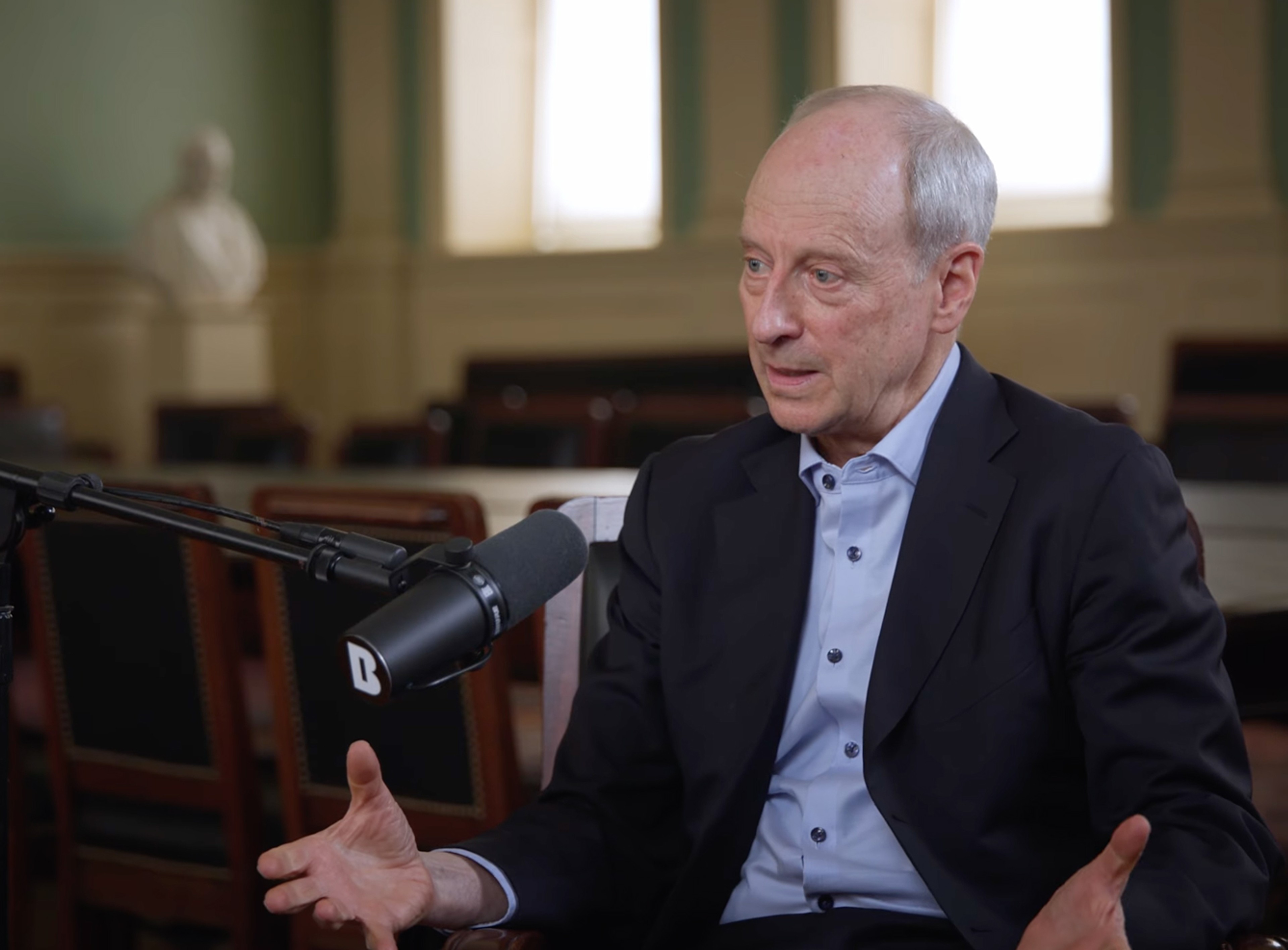
“Michael Sandel, a philosopher who is a prophet in his own country.” | Berggruen Prize Ceremony
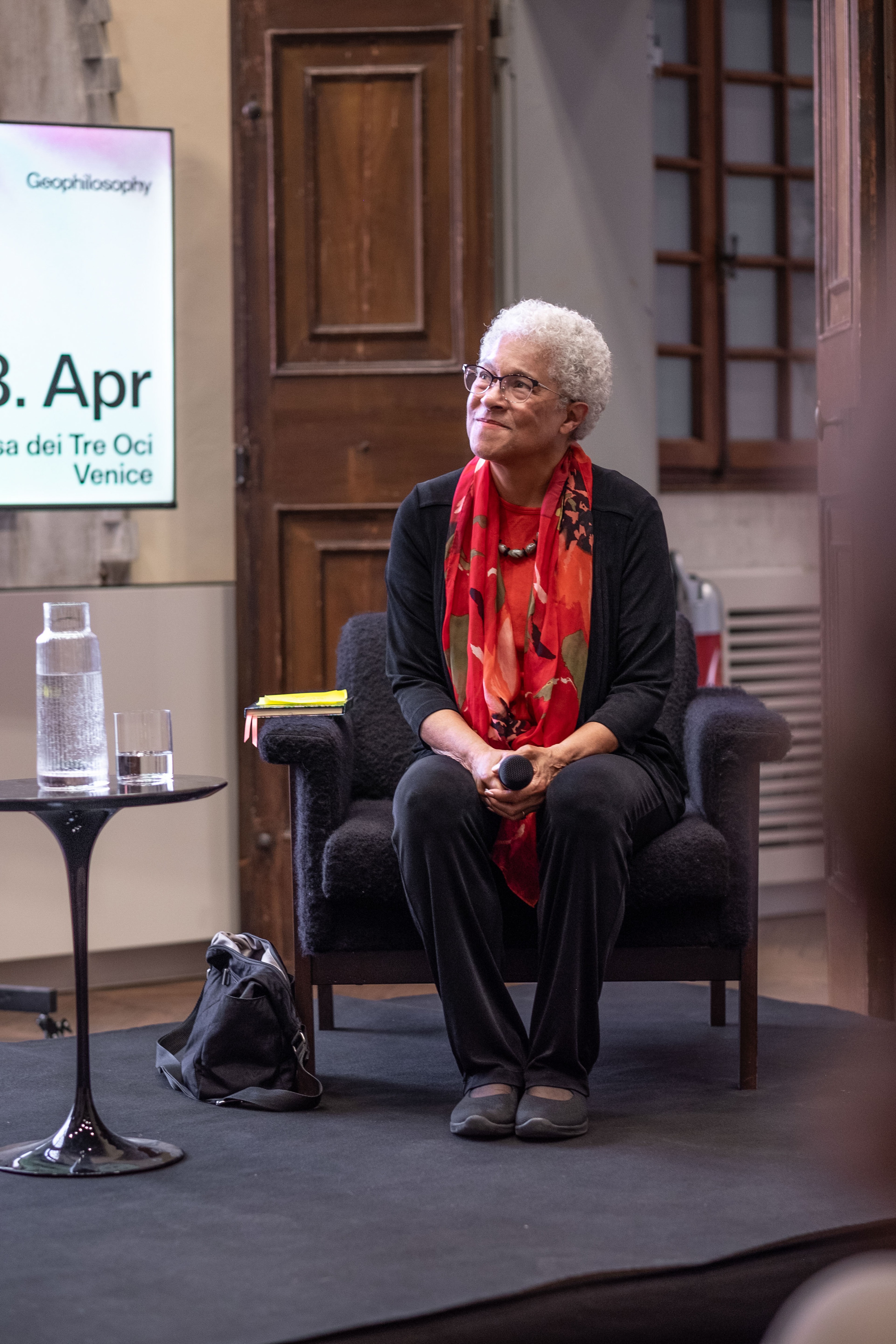
Geophilosophy Lecture Series: Patricia Hill Collins at Casa dei Tre Oci
Michael Sandel Saw It Coming
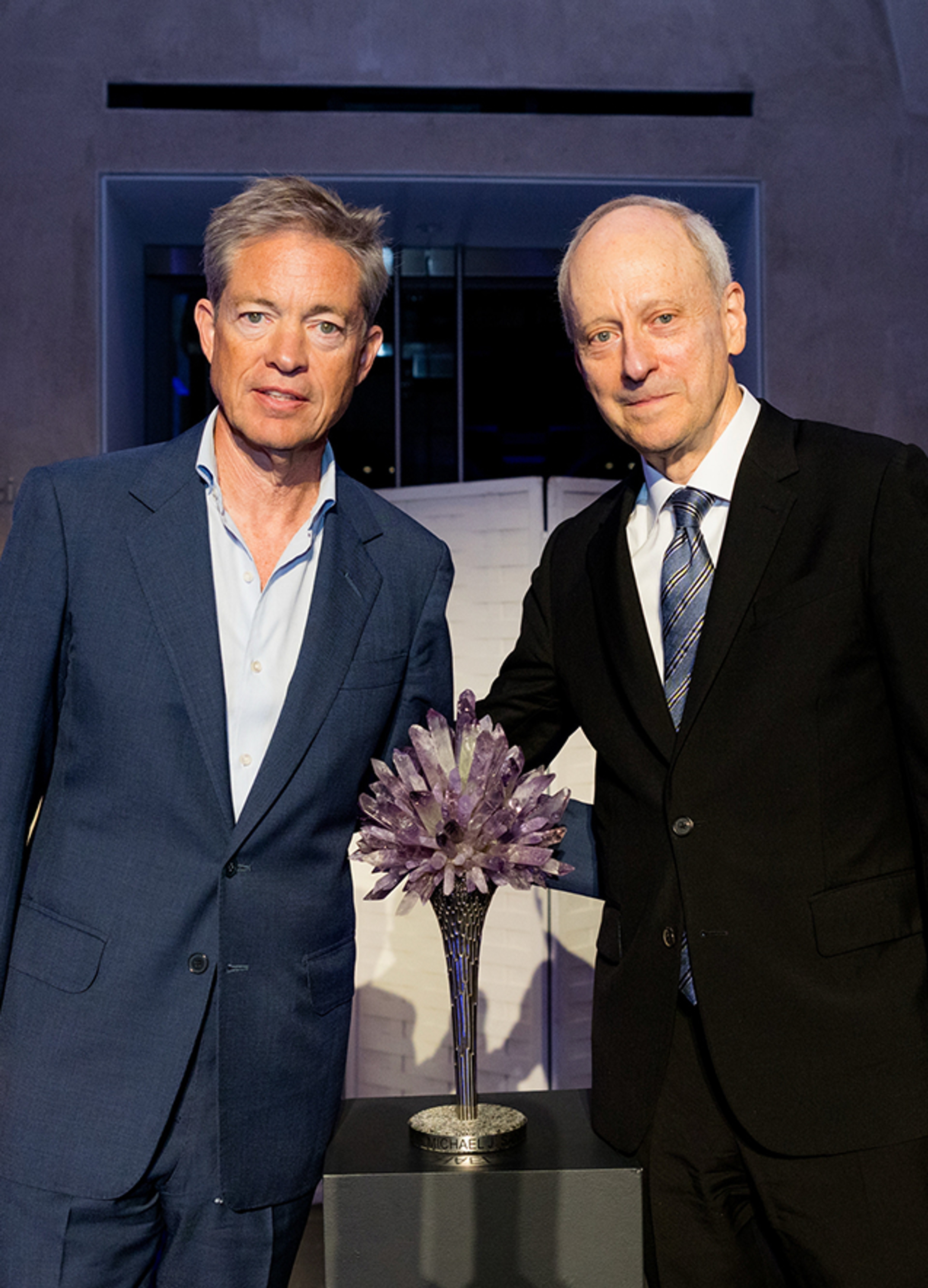
Berggruen Prize Honors 2025 Laureate Michael Sandel at Award Ceremony in Cambridge, MA
Michael Sandel Interview in Project Syndicate: "Reclaiming Democracy From the Market"
Michael Sandel in The New York Times: "A Philosopher ‘Prophet’"
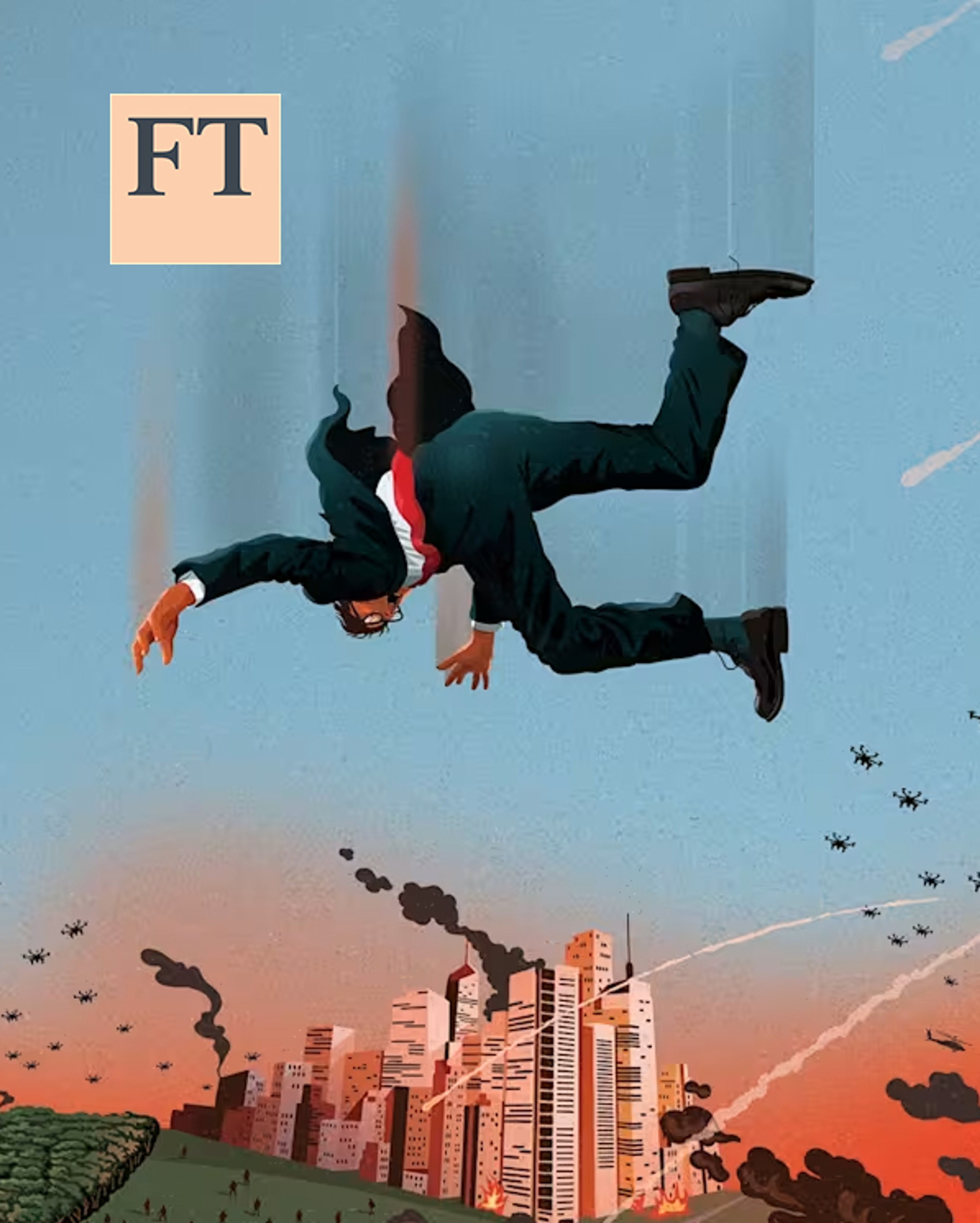
Michael Sandel: The pessimist who became a prophet

Michael Sandel Interviews on PBS
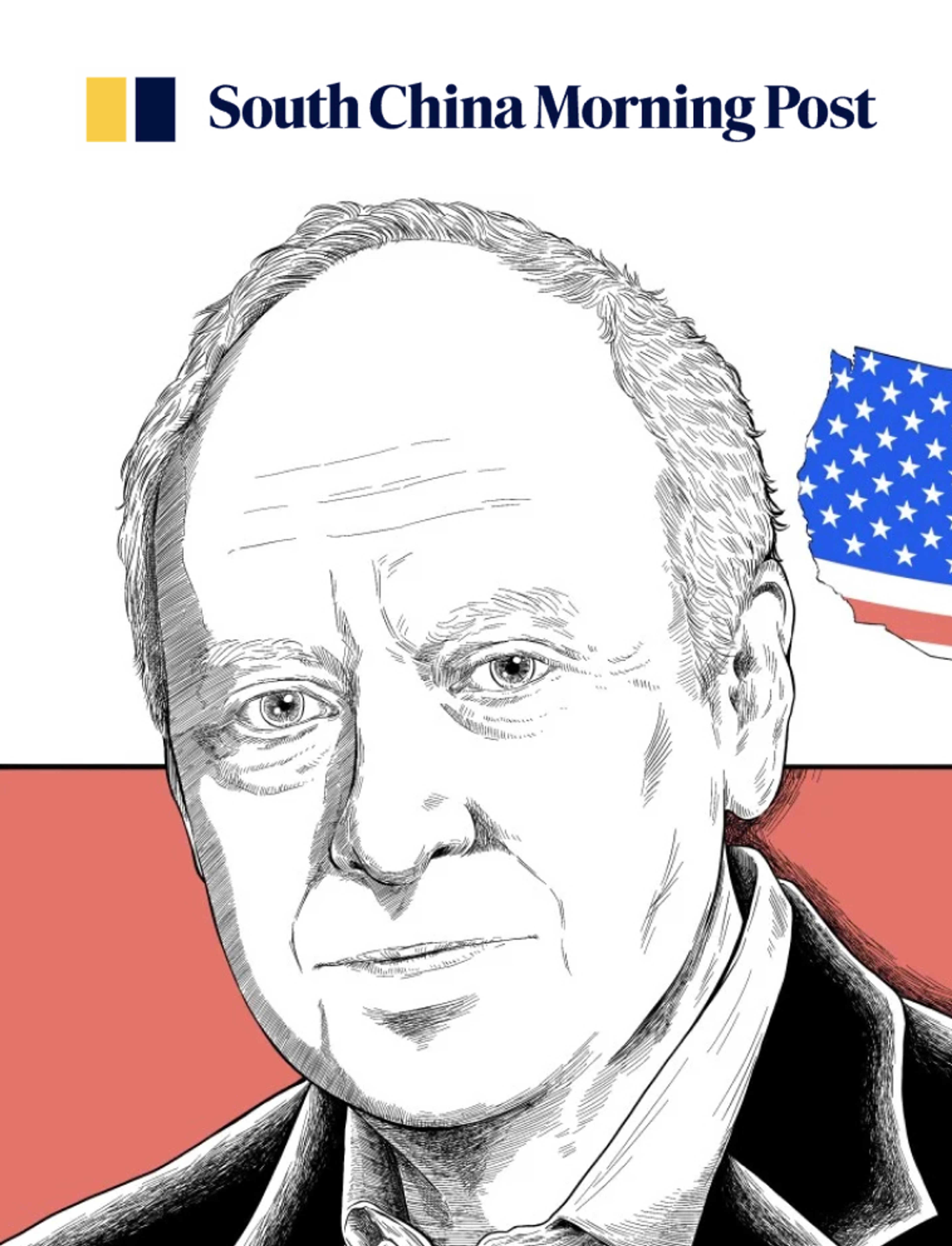
Michael Sandel Highlighted in South China Morning Post
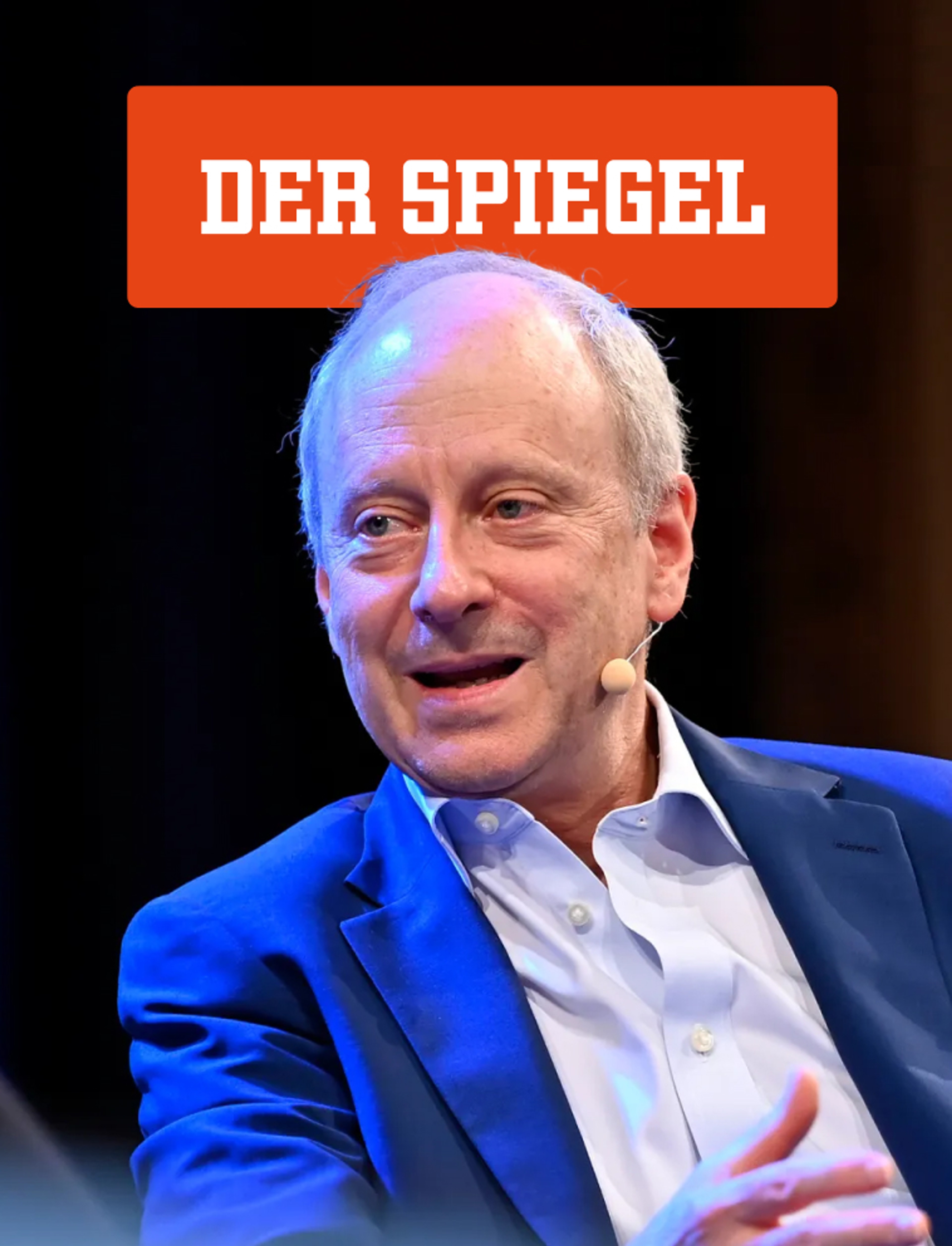
Michael Sandel in Der Spiegel: “Es war ein Fehler, den Rechten das Monopol auf Patriotismus zu überlassen”
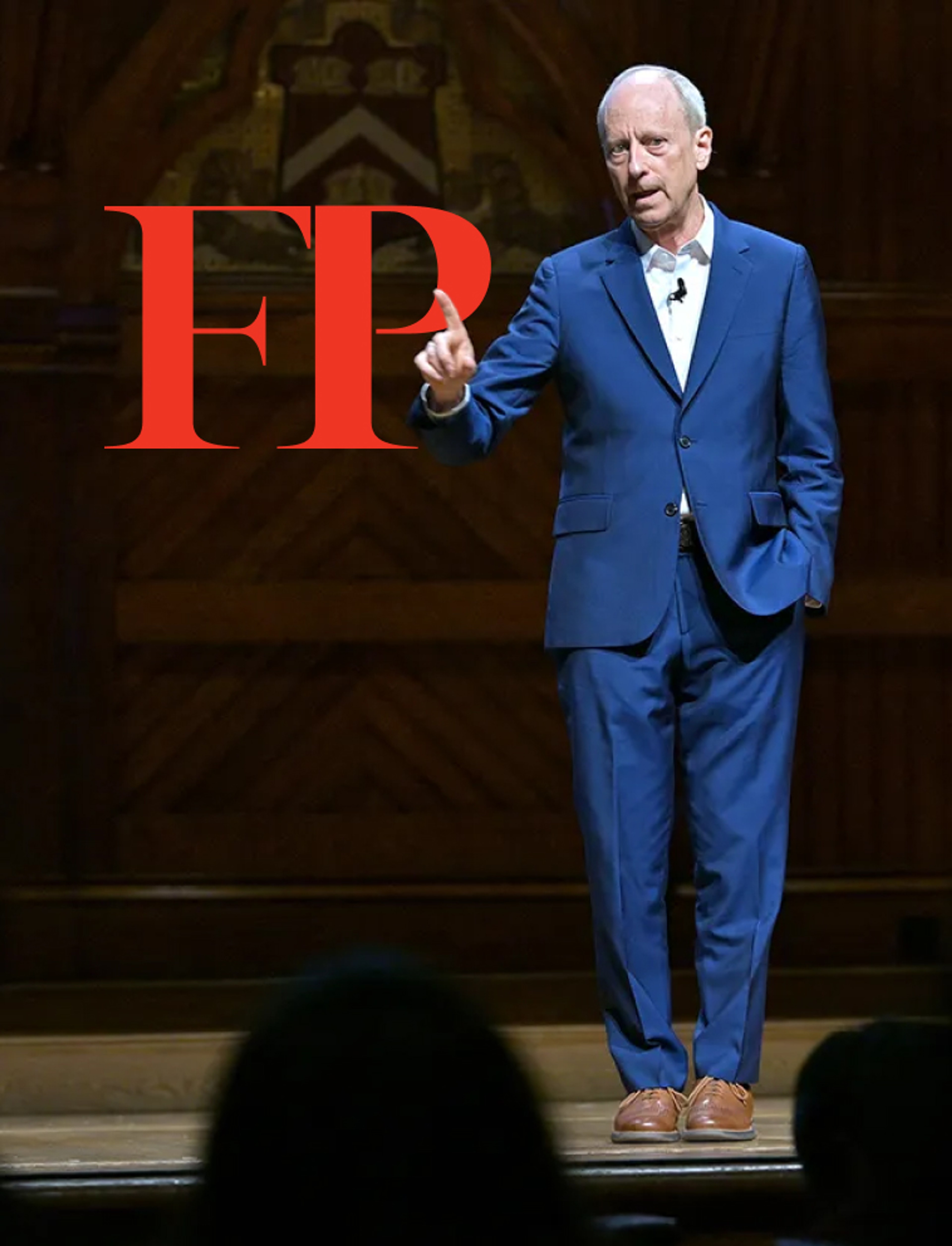
Michael Sandel Speaks to Foreign Policy on Winning the Berggruen Prize and the Future of Liberalism
Michael Sandel Interviewed by Le Figaro on Winning the Berggruen Prize
‘Justice’ professor Michael Sandel wins $1M philosophy prize
Michael Sandel Announced as 2025 Berggruen Prize Laureate
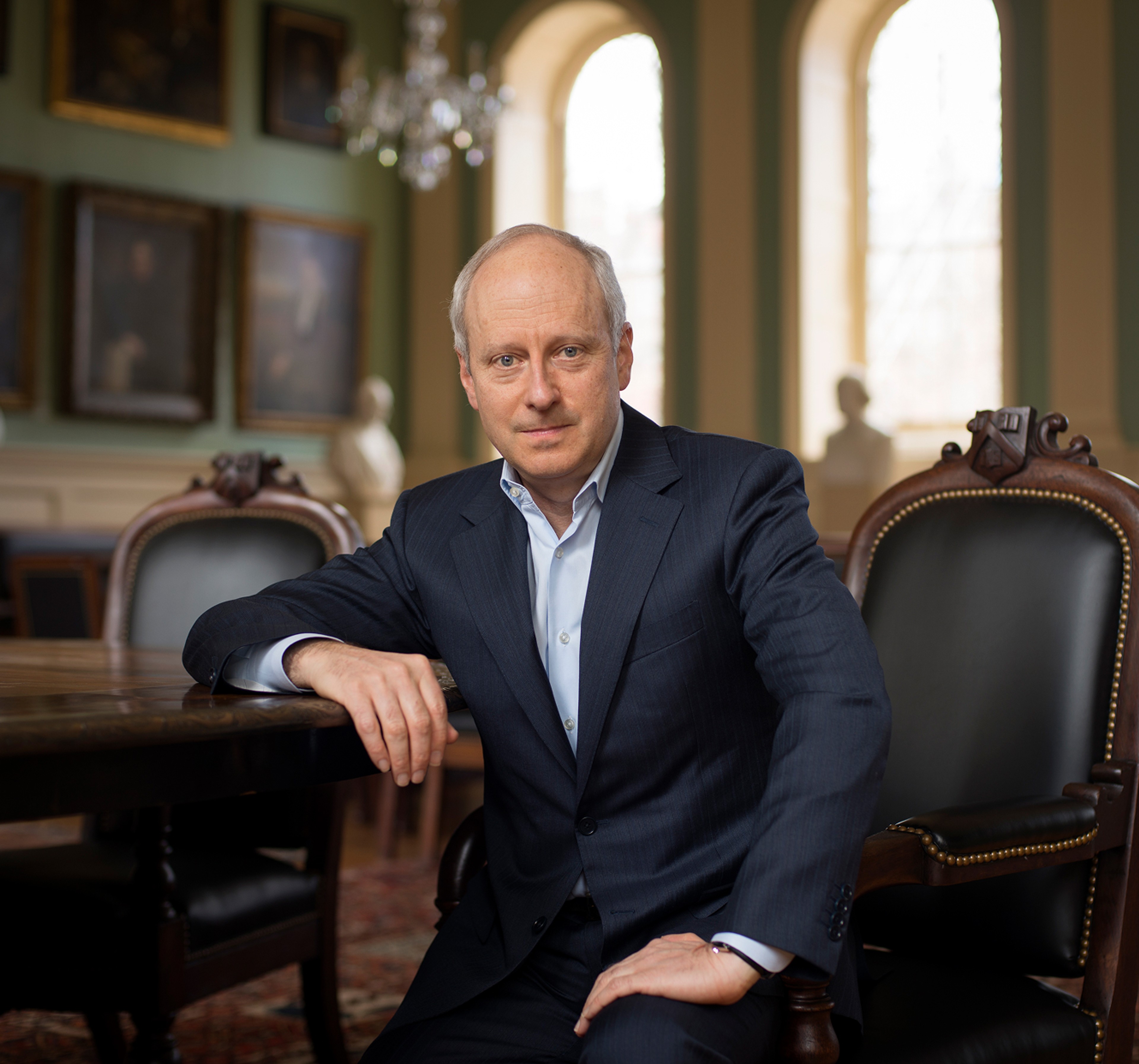
$1 Million Berggruen Philosophy Prize Awarded to Michael Sandel
TIME100 Philanthropy 2025: Peter Singer, A Philosopher of Giving
In Conversation with Peter Singer | Utilitarianism: Avoiding Common Misunderstandings and Responding to Objections