Life at the Human Scale

- Date: February 6, 2026
- Location: NHM Commons Theater
“We are walking communities,” the pioneering biologist Lynn Margulis once said. By that she meant that human bodies are not just human but teeming with microscopic lifeforms. Research shows that there are about ten times more bacteria in our gut than cells in the entire human body! Hundreds of species of microorganisms live within us, and in fact help us to be human. Our digestive and immune systems, for example, require the bacteria in and on our bodies to function correctly. The tiny creatures in our microbiomes even affect our mental states, the very features that supposedly make humans autonomous and distinct from the rest of nature.
What does it mean that we humans are not as strictly human as we once thought? How do we see ourselves differently once we know that humans and all animals are really “symbiotic complexes of many species living together”?
How, perhaps most importantly, do we respect individuality and human dignity while also respecting the ecosystems in which we live and which live within us?
Further exploration
As you wander through the museum, consider the creatures you encounter as more than just individuals but as “walking communities.” What does this prompt you to think as you see the taxidermied animals in the North American Mammal Hall, the fossils in the Dinosaur Hall, and your fellow visitors?
Further reading
Ed Yong, I Contain Multitudes: The Microbes Within Us and a Grander View of Life (2016)
Scott F. Gilbert, Jan Sapp, and Alfred I. Tauber, “A Symbiotic View of Life: We Have Never Been Individuals,” The Quarterly Review of Biology (2012)
Hannah Landecker, “Eating as Dialogue, Food as Technology,” Noema Magazine (2020)
About NHM's First Fridays
First Fridays celebrates 20 years as Los Angeles’ premier museum after-hours experience, where exclusive nighttime access to the Natural History Museum of Los brings music, science and culture together for an engaging evening of conversation and community. Throughout the night, guests are free to explore the Museum at their own pace, exploring galleries and exhibitions in a lively, social setting.
In addition to live music featuring tastemaking artists from around the globe, along with locally-loved DJs and all-night dancing, the First Fridays signature discussion series continues, presented in collaboration with the Planetary Program at the Berggruen Institute and moderated by trusted science communicator and neuroscientist Dr. Yewande Pearse. Each program features engaging conversations with scientists and topic experts from NHM and across the country.
About The Berggruen Institute
About The Berggruen Institute
About The Berggruen Institute
About The Berggruen Institute
About The Berggruen Institute
About The Berggruen Institute
About The Berggruen Institute
About The Berggruen Institute
About The Berggruen Institute
About The Berggruen Institute
Related
Life at the Cosmic Scale

Life at the Planetary Scale
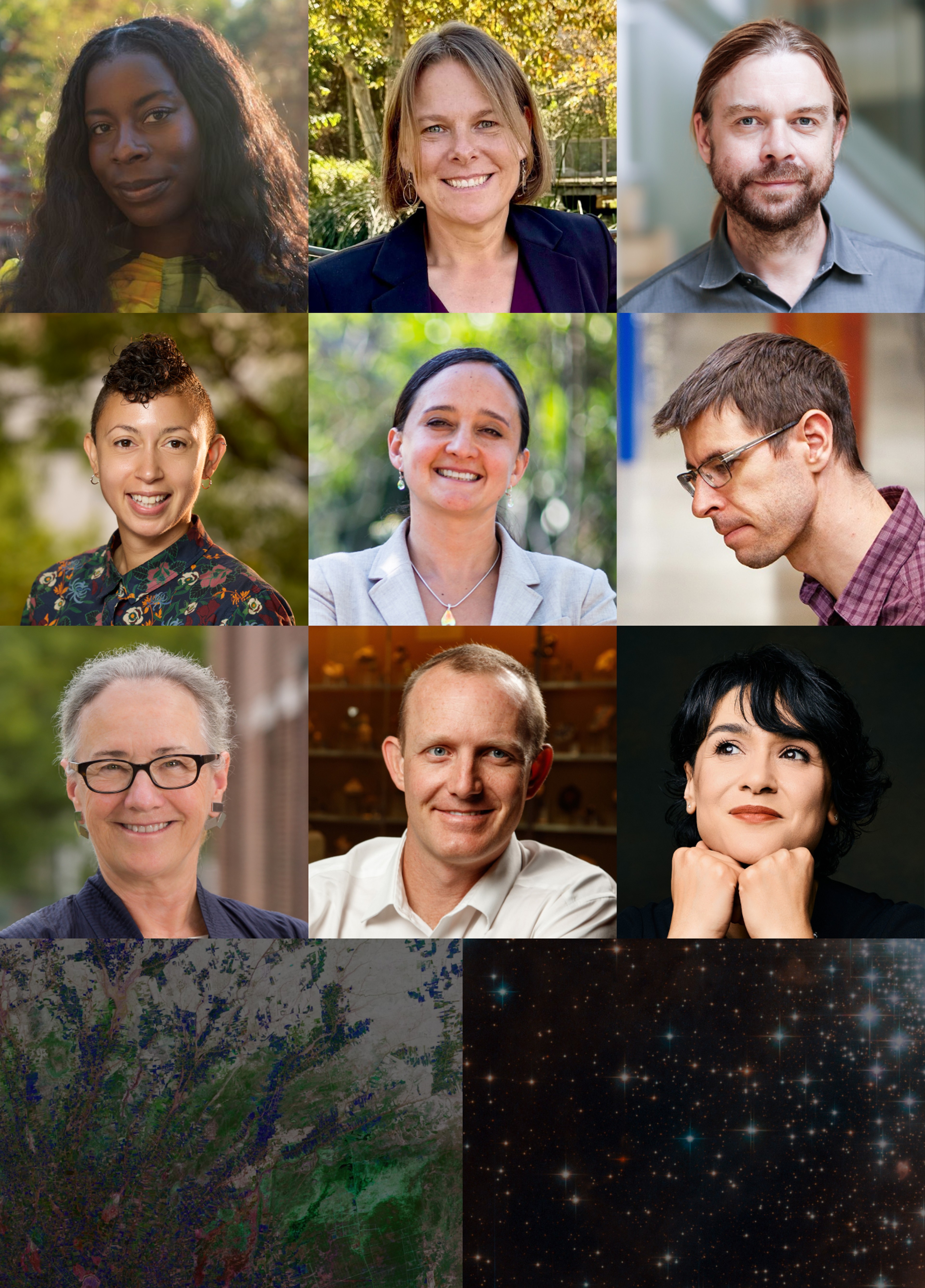
Life: From Our Guts to the Galaxy - Speakers