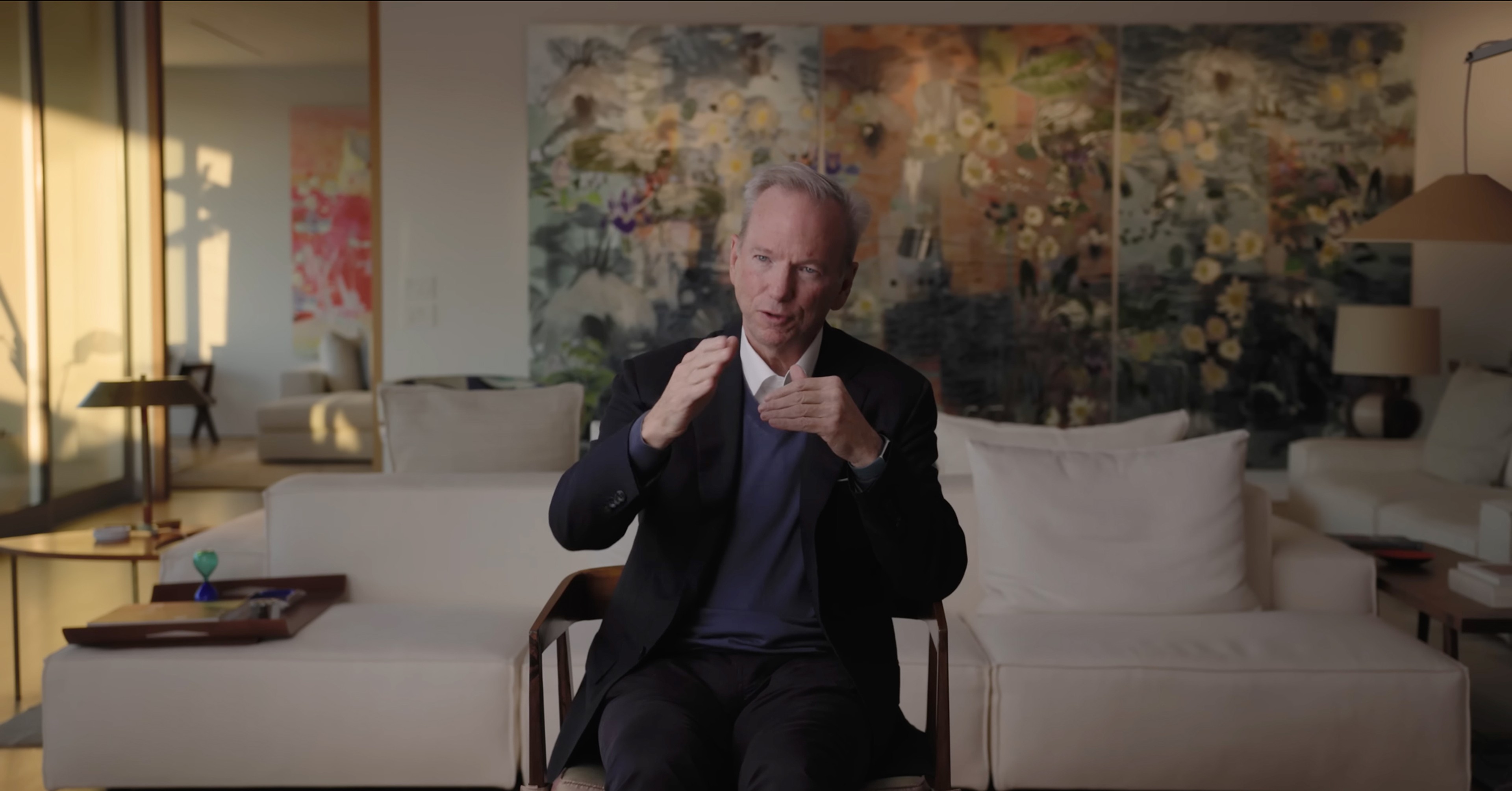
Frontier Science & Technology
In an era of explosive growth in knowledge, advances in frontier science and technology enable us to understand the world in ways and at speeds never before possible, opening new perspectives on self-understanding and our understanding of the world.
To address the opportunity and challenges afforded by these rapid changes, the Institute draws on intellectual resources from the world’s major civilizations, tapping into deep philosophical and religious traditions in an endeavor to bridge the past and the future. Through this multi-disciplinary and multicultural approach, we seek to cultivate new conceptual frameworks that foster the ideal of inclusive planetary flourishing.
The China Center’s “AI Meets with Chinese Philosophers” project marked the first systemic attempt to bring together Confucian, Daoist and Buddhist philosophers in East Asia with AI scientists to explore what it means to be human, the nature of AI systems and how we relate to this new species of our own creation.
The conceptual notion that technology is what makes us human, the idea of a “relationality test” to assess AI intelligence, and the novel paradigm of human-AI co-evolution have all been explored in this highly generative process.
The Center is also engaged in a multi-year project on ‘Symbiosis in Life Sciences and the East Asian Philosophy of Co-becoming,” a worldview grounded in the ancient cosmology of the “Unity between Heavens and Humans (tianren heyi天人合一)”.
To conceive of the world as a co-generating and dynamically transforming whole means that the individual is not a stand-alone and self-sufficient being, but entangled in community and embedded in the Earth’s habitat. This ontological concept of personhood necessarily values the enlightened virtue of “softness” against hardness and rigidity in our interactions with fellow human and non-human entities, grounding ways of thinking in a plurality of dimensions instead of polarized binaries. Co-becoming understood in this sense is the philosophical foundation for the global ethics of our era.
The arrival of generative artificial intelligence has raised anew the great unsettled question of “what is consciousness?” Looking into this technological mirror, humans are able as never before to distinguish what makes us distinct, or not. To delve deeply into the mystery of subjective self-awareness, the Institute sponsors an annual gathering of scientists, philosophers and religious thinkers at Casa dei Tre Oci in Venice for collective reflection.
Our China Center has also hosted projects and events that explore consciousness through Asian philosophical perspectives, including conversations with Carlo Rovelli. In that discussion, Carlo engaged with Chinese philosophical concepts to deepen our understanding of quantum physics.
Featured News

International Conference on “Philosophy of Family as a New Subfield in Professional Philosophy”
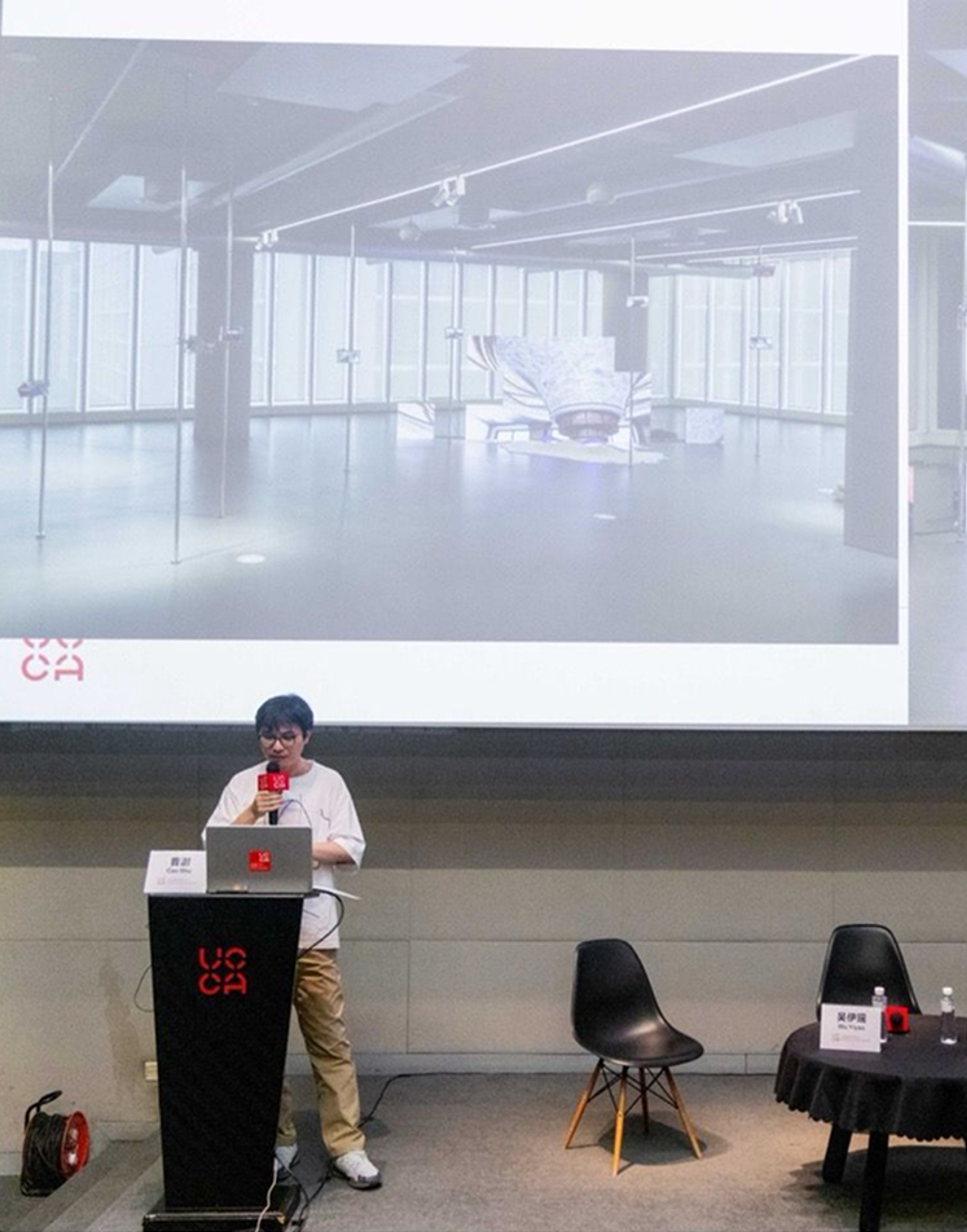
III. Machines, Dreams, and Journeying Through Time
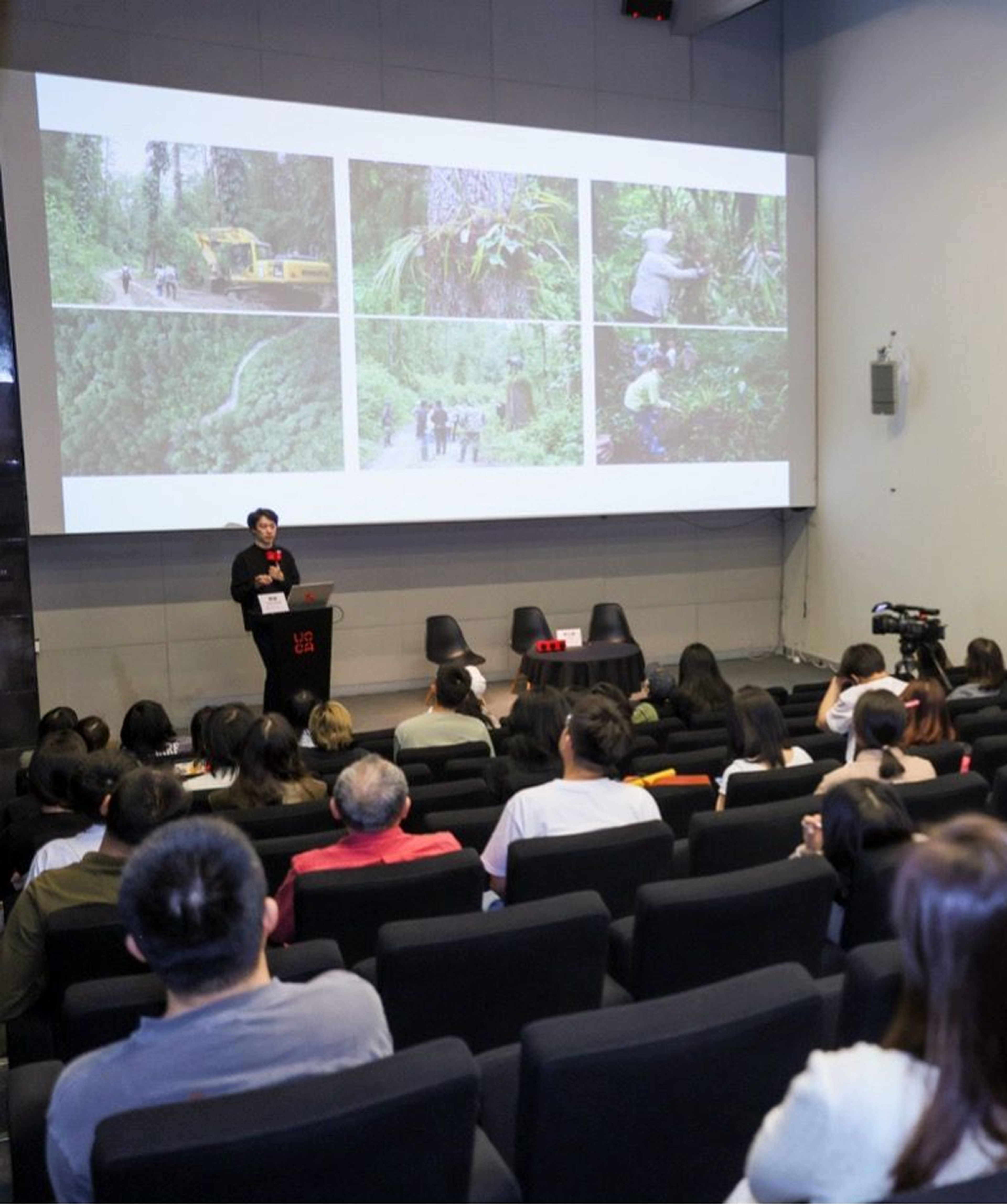
II. Natural Code, Body Grammar, and the Allegory of Technology
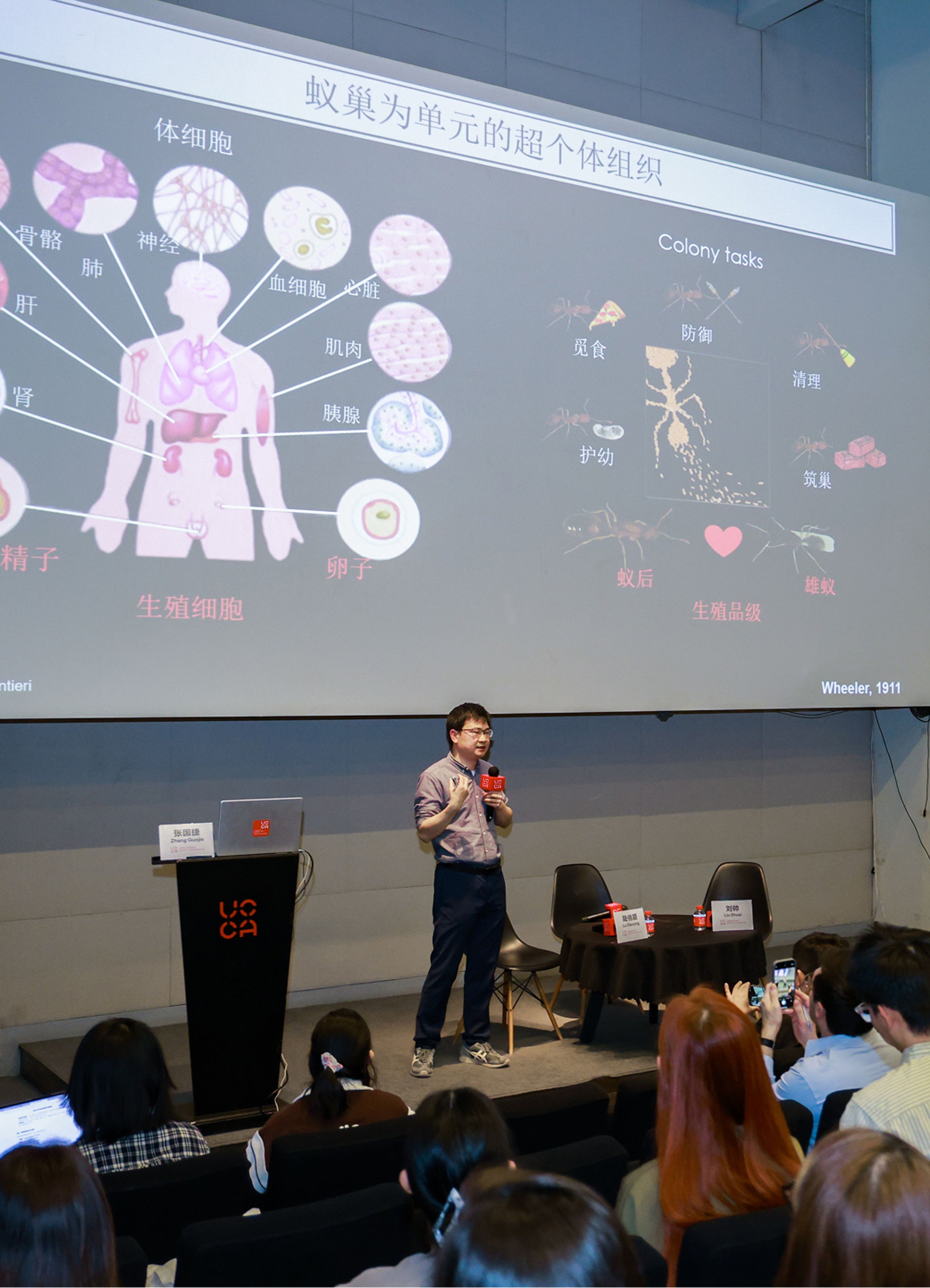
I. With Ants as Prelude
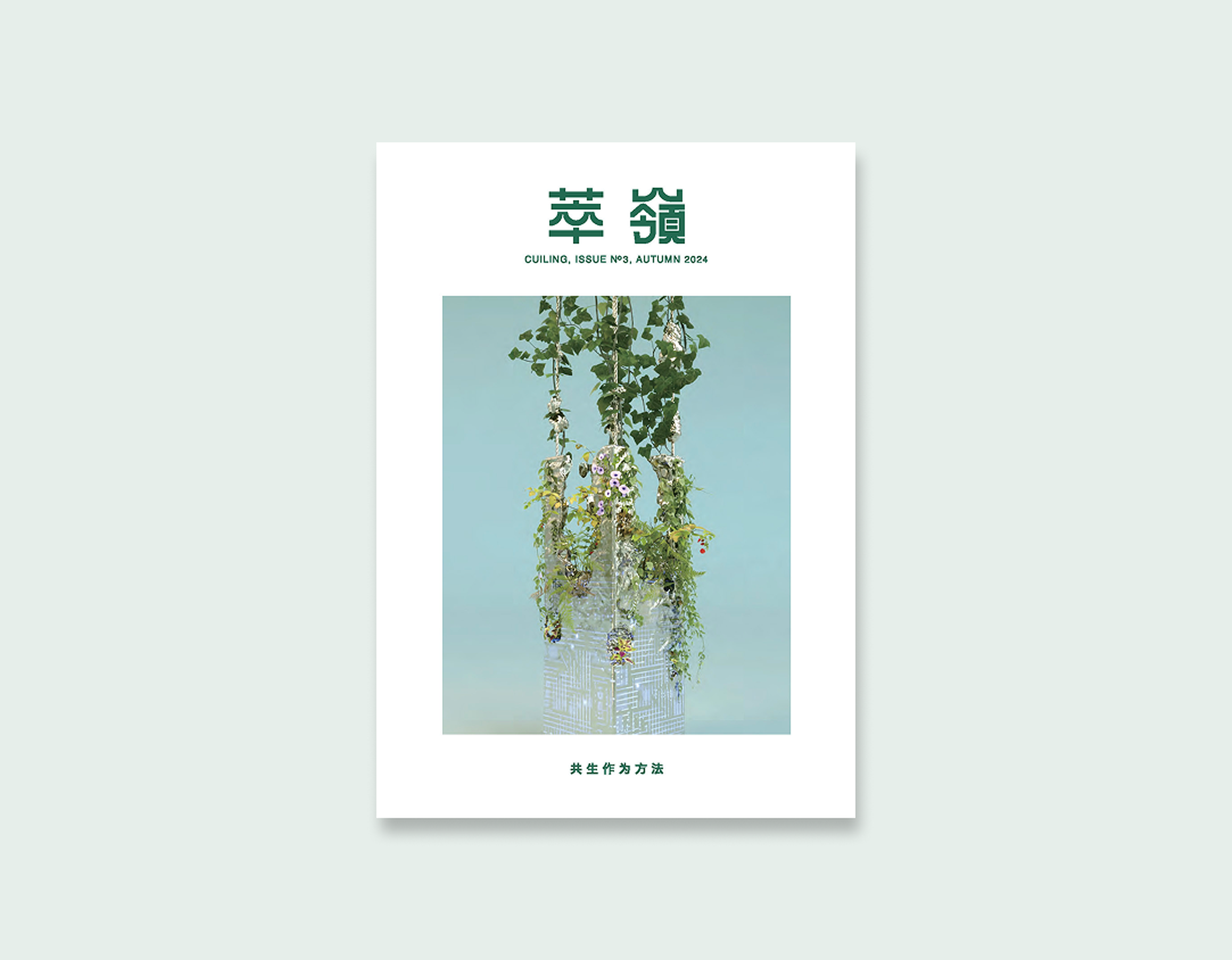
Cuiling Issue III
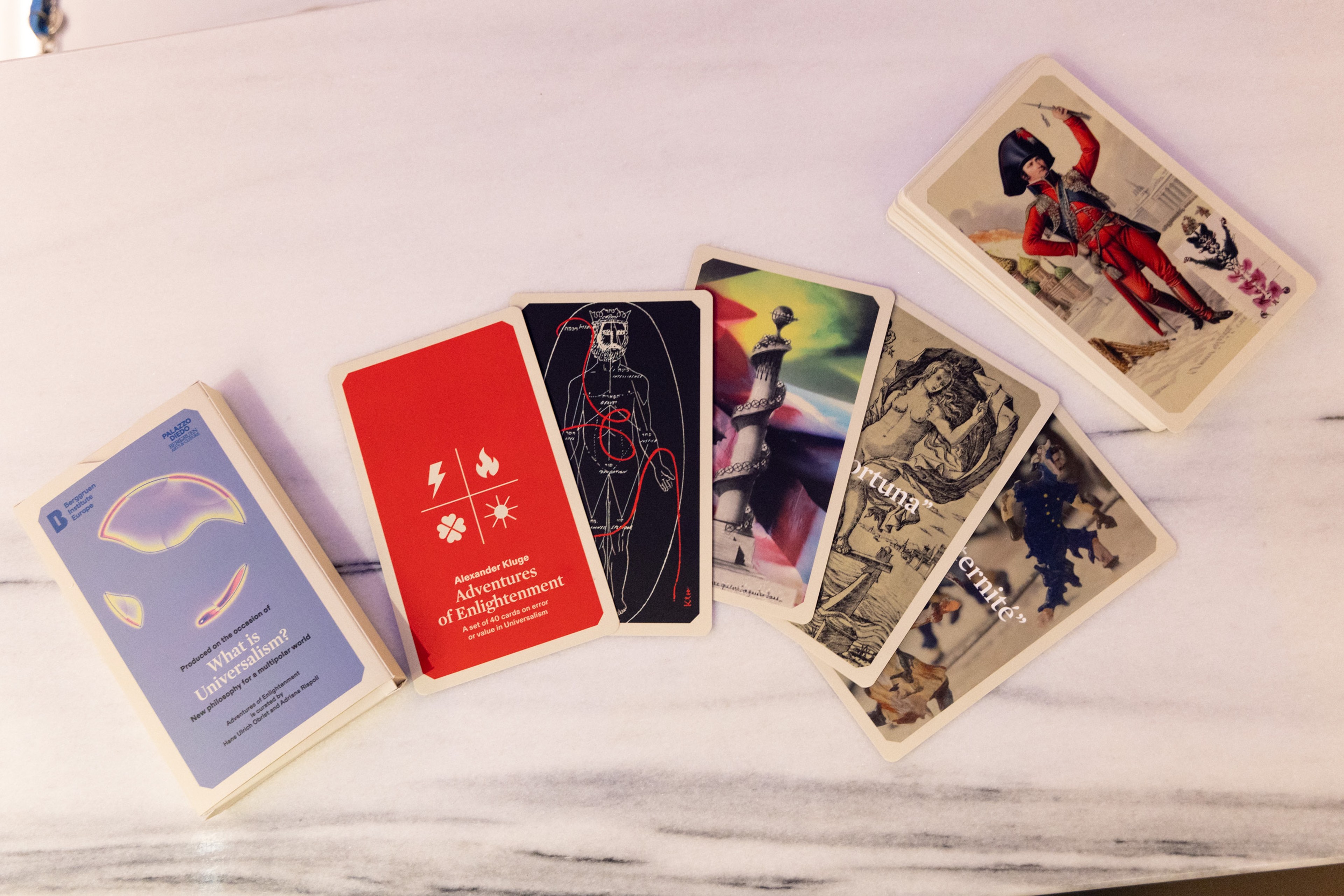
Adventures of Enlightenment by Alexander Kluge
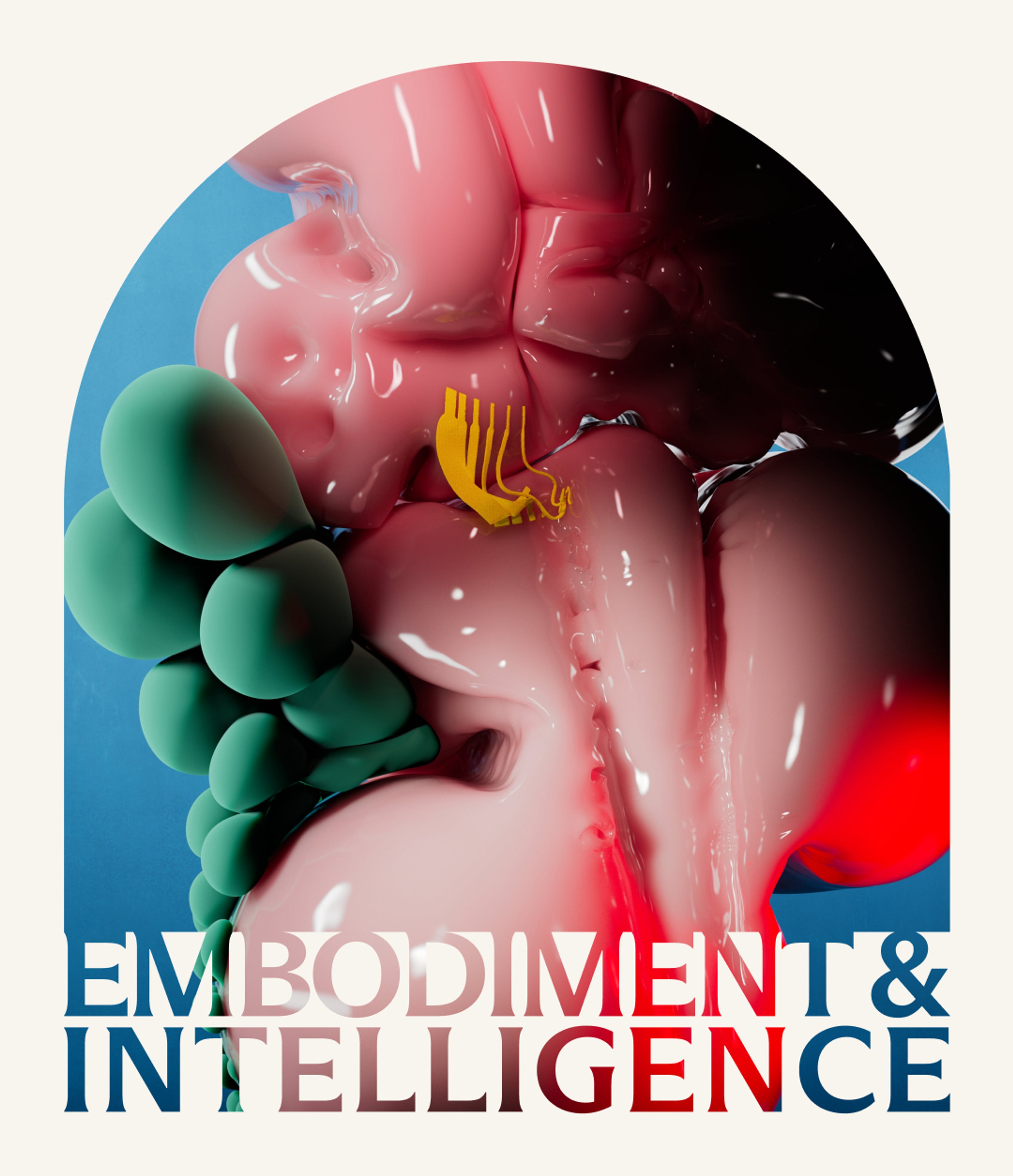
Embodiment & Intelligence
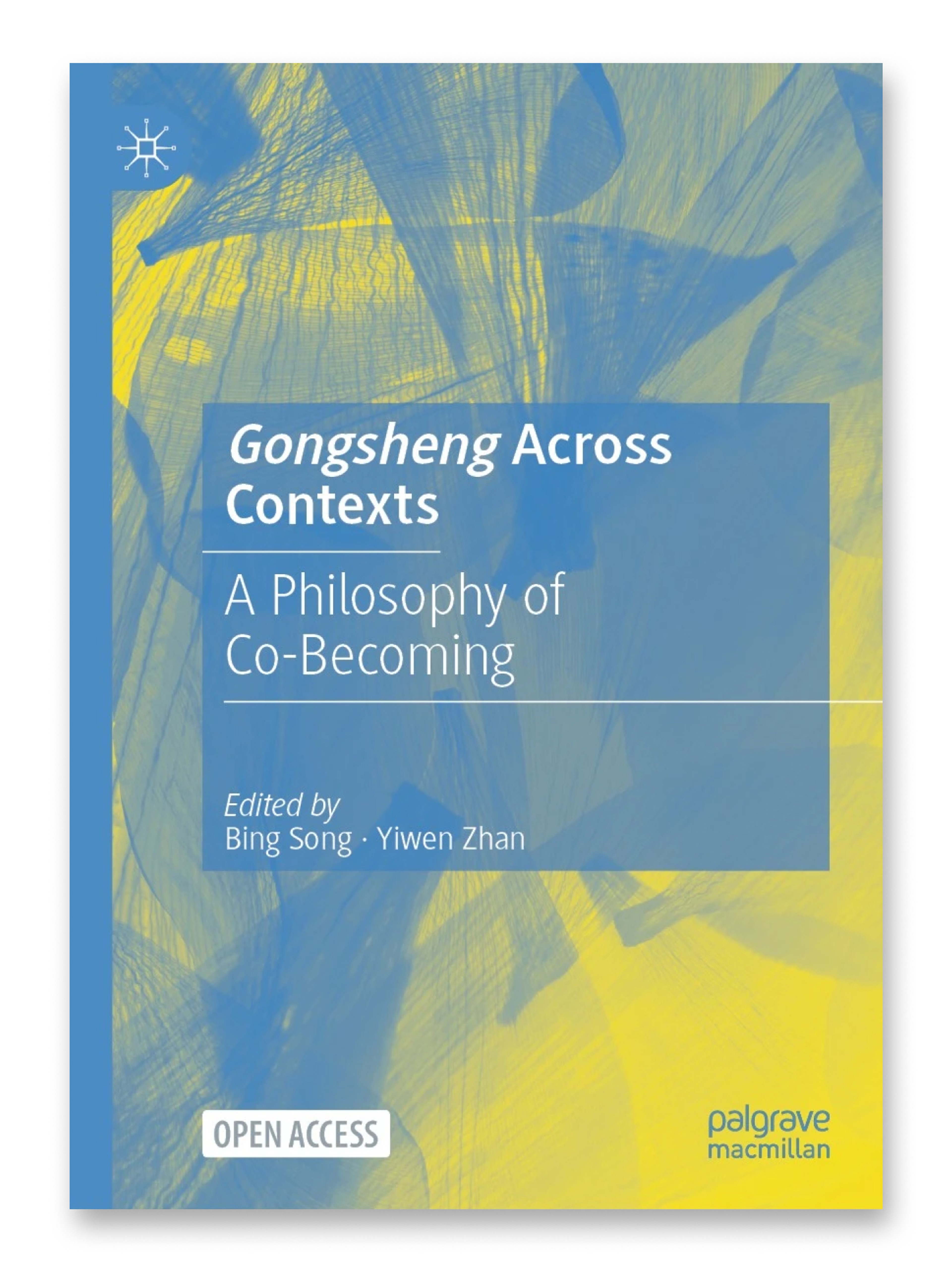
New Book by Bing Song, Director of Berggruen Institute China
Xenobots and Futures of Life

The Ethics of "Symbiosis": Seeking a Trans-Boundary Entry Through Comics, Literature, and Art

A Future of Symbiosis and Coexistence: What Is Symbiosis, and Why Should We Want It?