Creative Futures
The future is open. It will be what we make of it as co-creators of its becoming. Our image of the future will determine what we do today to get there.
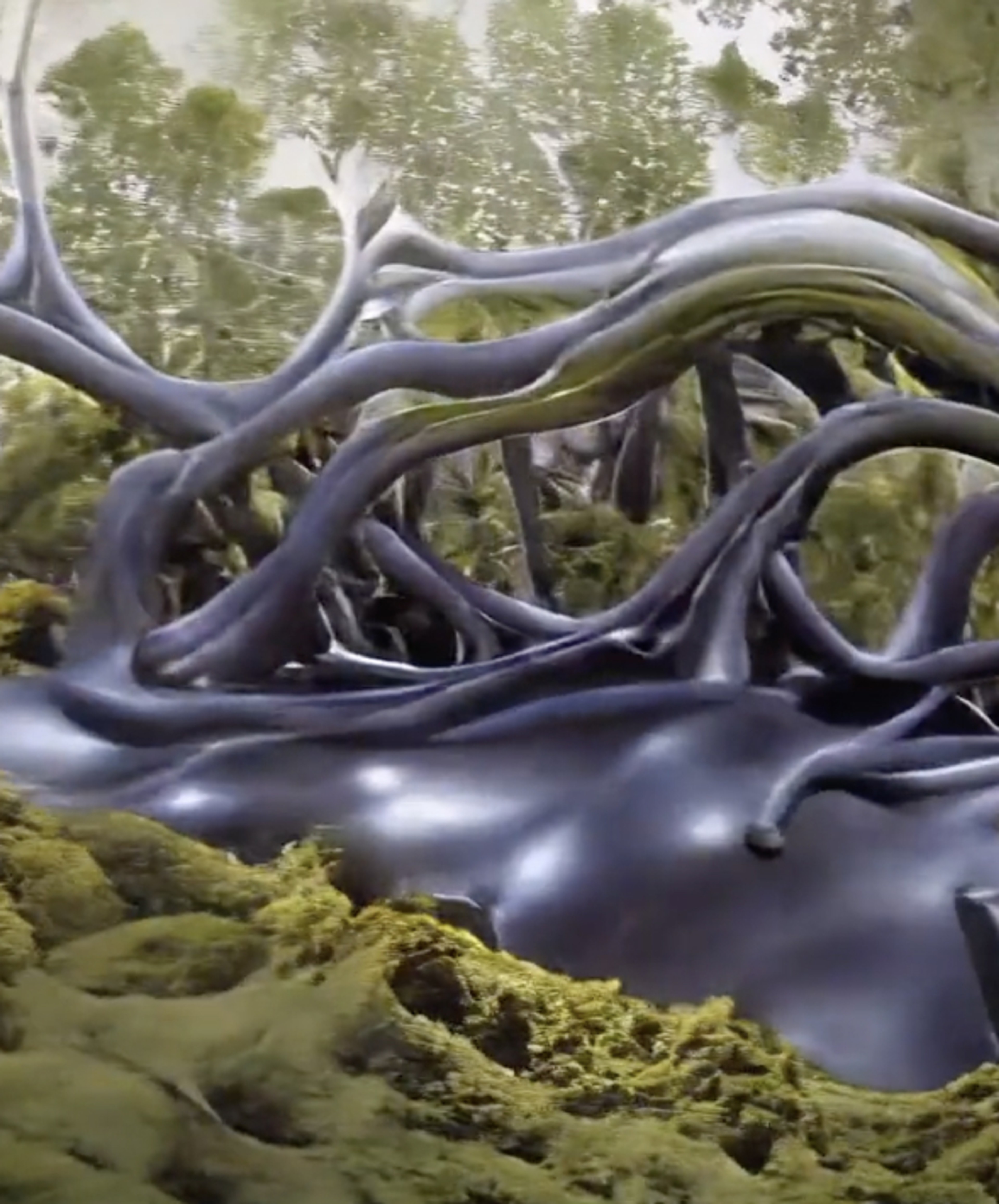
In past years, the Institute incubated the Future Humans and Antikythera programs that have actively engaged in this speculative endeavor. Future Humans contemplated how the configuration of life forms on other planets might reveal our own origins and address Earth’s climate challenge, whether computation might be the organizing principle of life itself, if consciousness is a quantum fabric of the universe or only possible if embodied in biological systems interacting with their environment. Antikythera explored how planetary-scale computation is unveiling to the heretofore limited scope of human understanding how multiple intelligences comprise the Earth system as one self-regulating organism.
In the context of today’s transformative scientific and technological leaps, Noema has pondered whether human civilization is on the cusp of a new Axial Age that both draws from, and further evolves, spiritual sustenance from the great religions and philosophical outlooks that first arose in relative simultaneity around 2500 years ago.
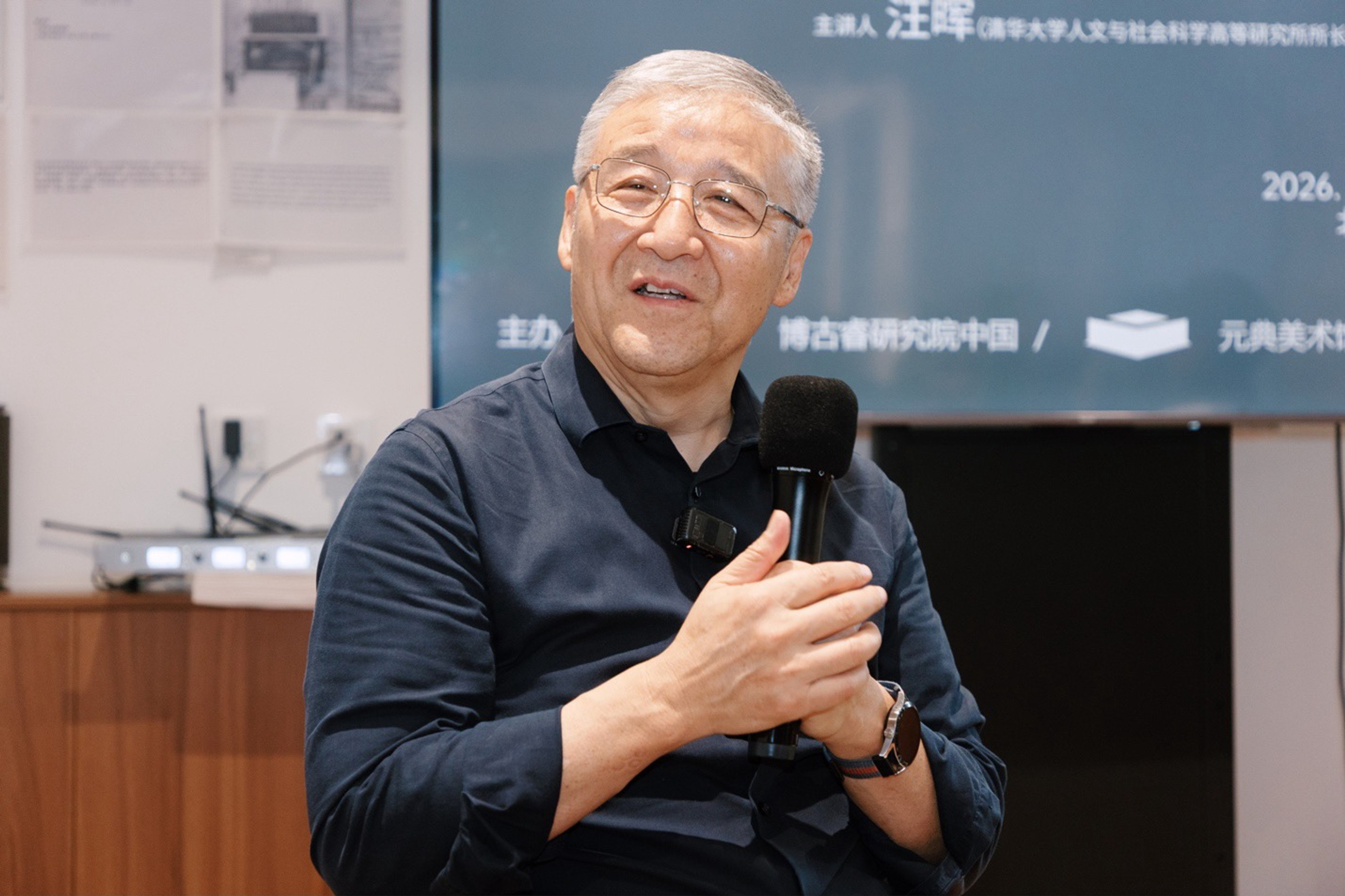
Our China Center at Peking University looks at the future through collaborations with curators, artists, scientists, philosophers and sci-fi writers. The center co-produces public exhibitions featuring in-depth interactions among these collaborators and showcasing art work of their collective creation, such as The Larva of Time and Quantum Planet
Similarly, our European headquarters at the Casa dei Tre Oci in Venice engages with leading artists, curators and filmmakers through an ongoing program of public activities, including prominent yearly exhibitions coinciding with the Biennale di Venezia.
Storytelling is the unique human capacity that can bind multitudes together and enables the building of cohesive societies capable of the grand accomplishments of civilization.
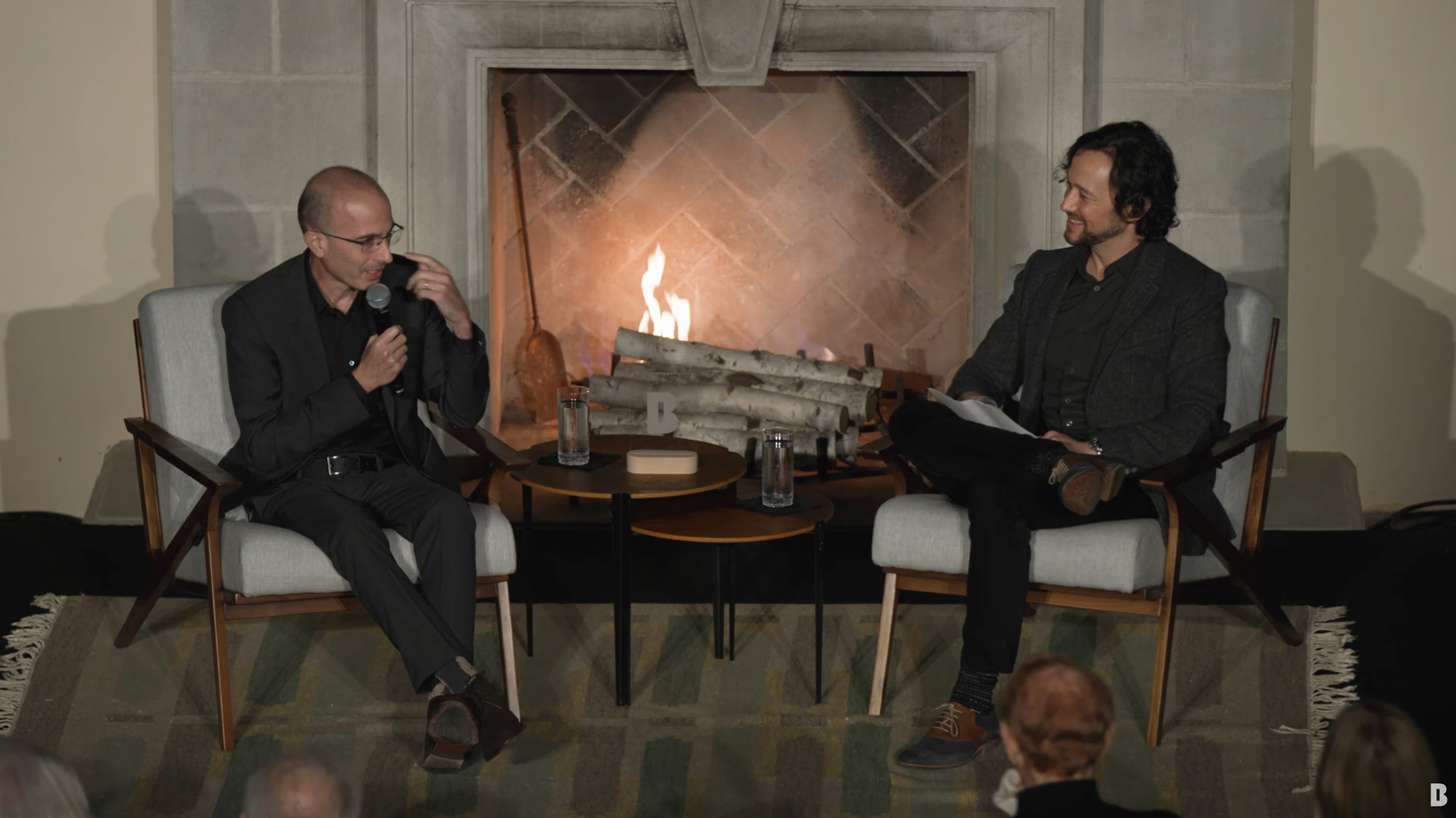
Even in a diverse and changing world, Hollywood remains the global platform that most widely shapes the meta-narrative. To that end, the Institute established Studio B at its LA hub as a way to influence that narrative by bringing philosophers, historians, scientists and technologists together with screenwriters and filmmakers. These sessions have included former Google CEO Eric Schmidt, LinkedIn founder Reid Hoffman, Nobel laureate and CRISPr biochemist Jennifer Doudna along with director J.J. Abrams and Yuval Noah Harari.
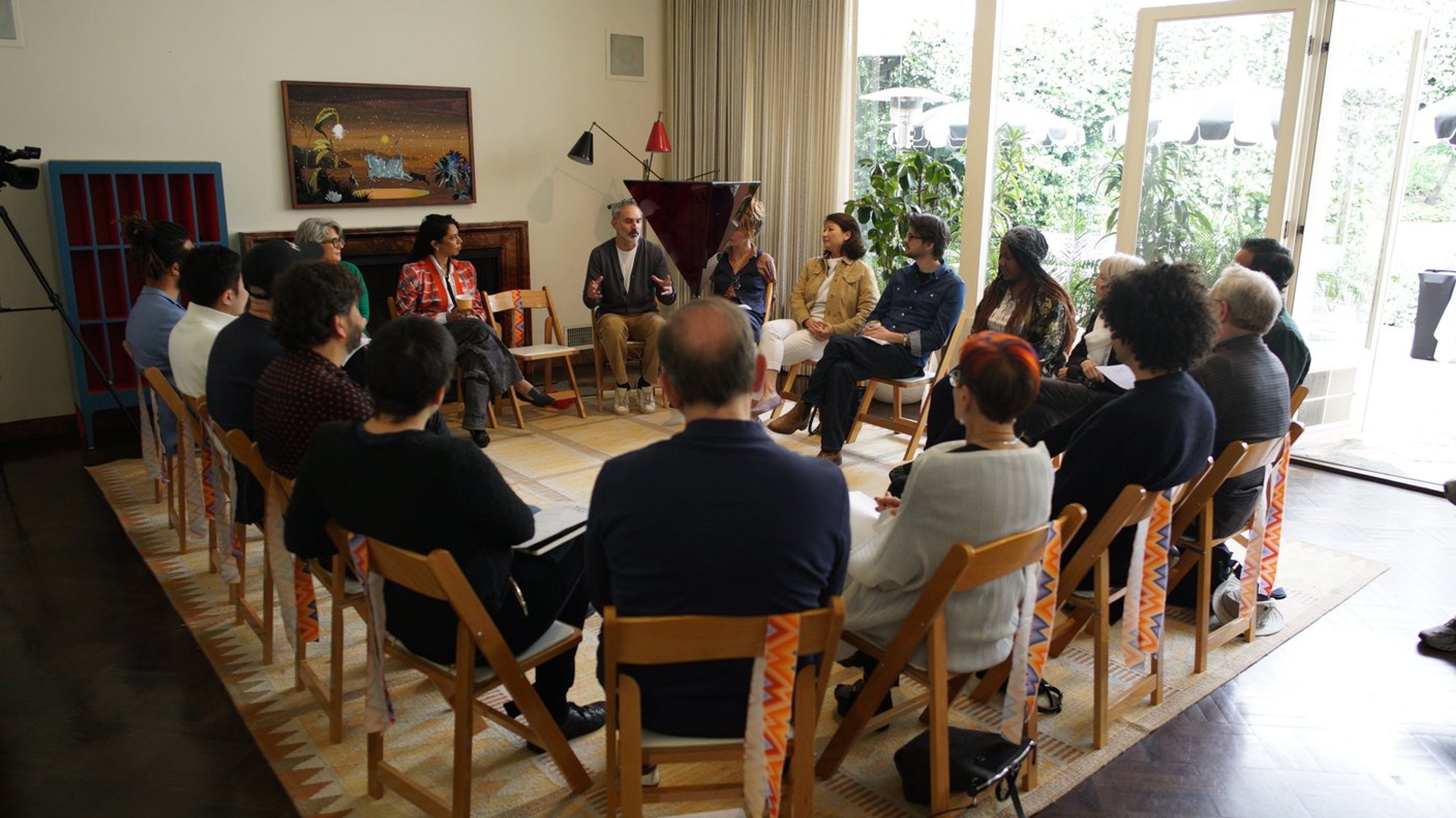
Through its “Vaster Than Empires” workshops, Studio B aims to create a pipeline of ideas and stories for Hollywood through engaging writers of science fiction realism such as Ken Liu and the Chinese novelist Qiufan Chen as well as top directors like Dan Kwan. Studio B is also a key partner in the Creative Coalition on AI (CCAI) as a forum to examine how technology impacts creativity and to chart ways forward that preserve human storytelling and prevent it from being taken over by intelligent machines.
Studio B’s Futurology Podcast explores the times ahead through weekly episodes with frontier thinkers from across the world on topics ranging from whether AI can be conscious (Anil Seth) to the future of democracy (Franics Fukuyama, Niall Ferguson) to the latest developments of quantum physics (Carlo Rovelli) to the tectonic shifts in geopolitics (Fareed Zakaria).
Featured News
Why 1994? “The Modernity of Anti-Modernity” and Rethinking China Studies
Mozilla Recap of Imaginative Intelligences
Creativity is Collective: Hollywood’s 8 Rules for AI
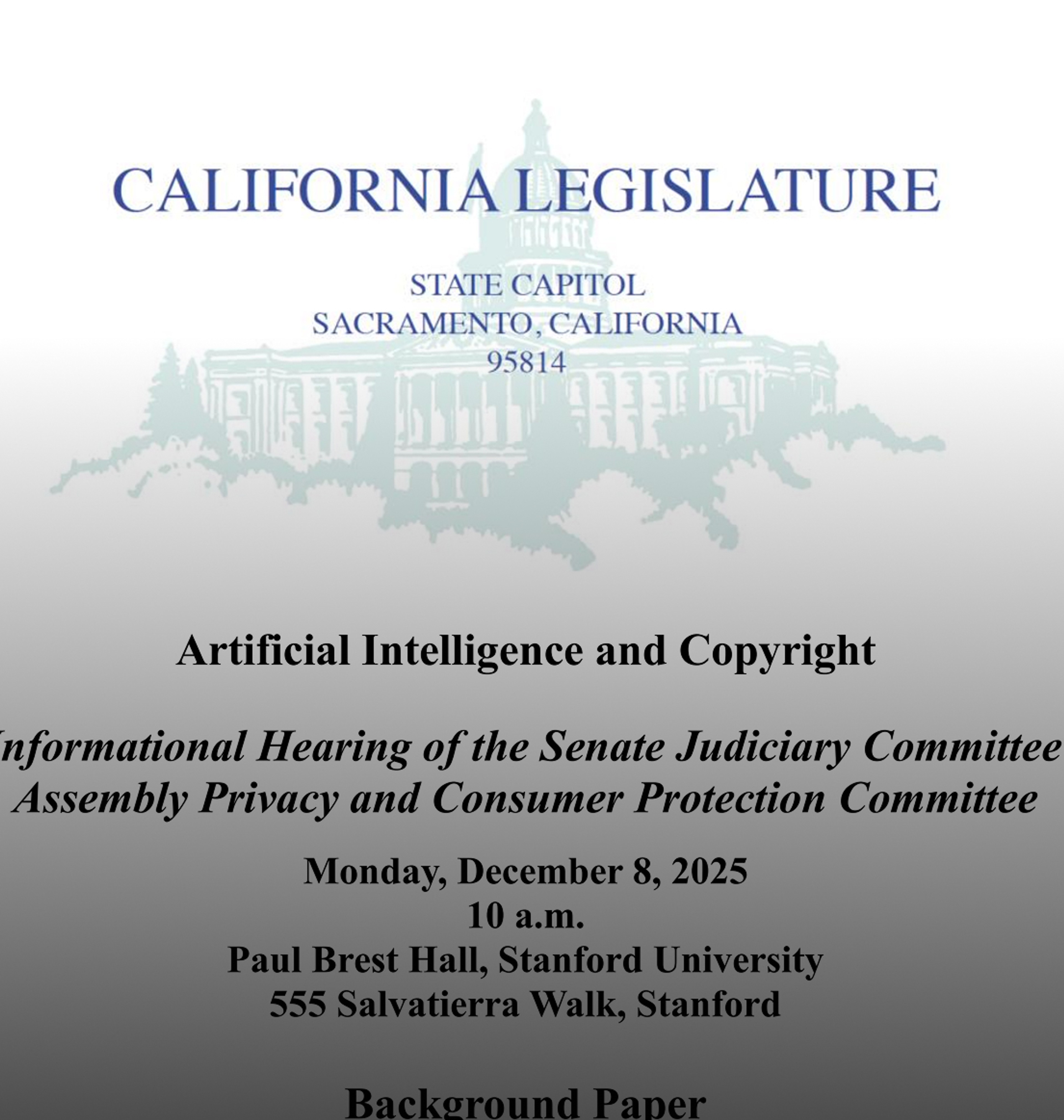
Artificial Intelligence and Copyright
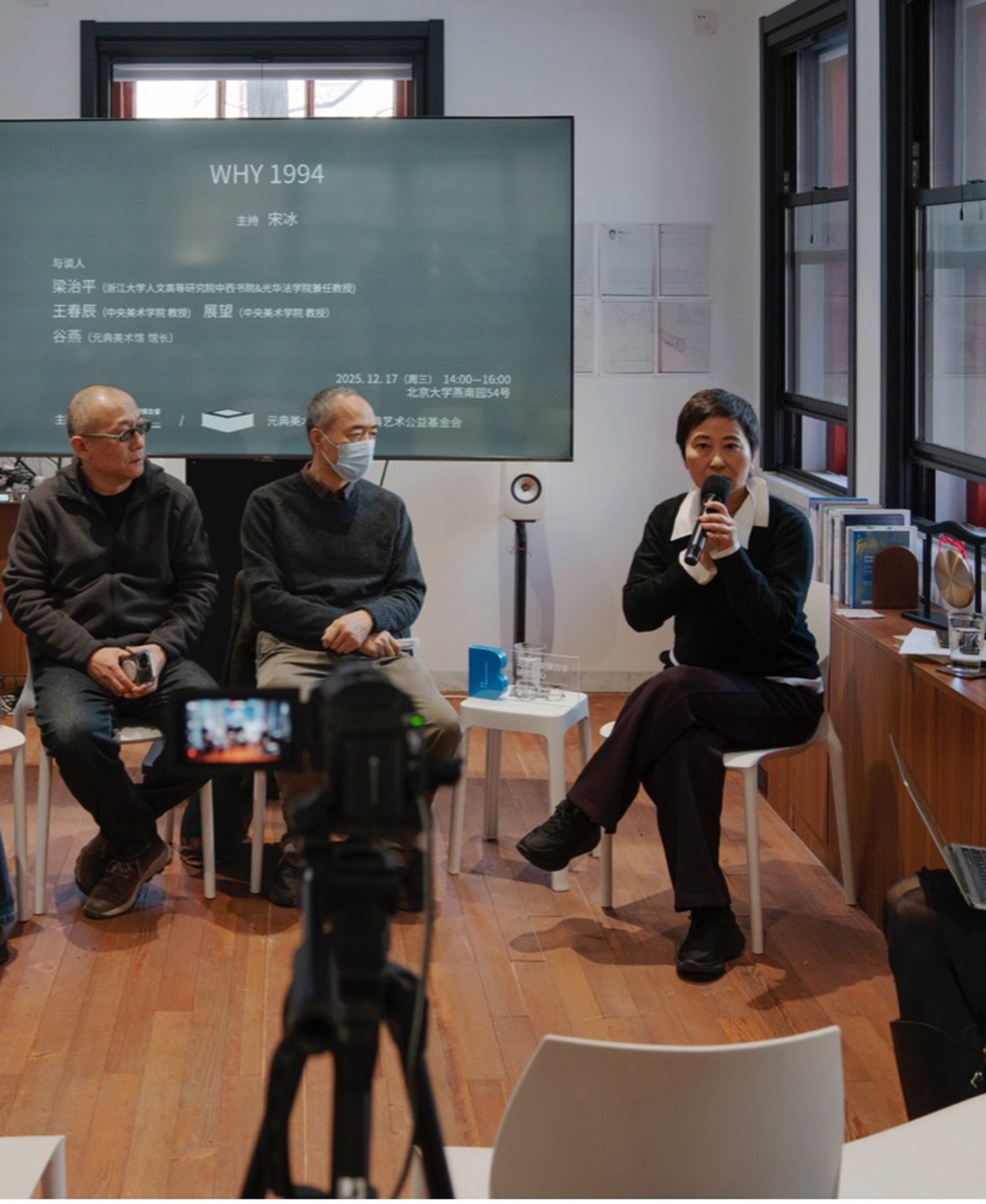
Why 1994? Society, Thought, and Art in the 1990s in China

Kate Elliott Short Story "Barnacle" Published in Reactor Magazine

Proxima Kósmos Science Convening
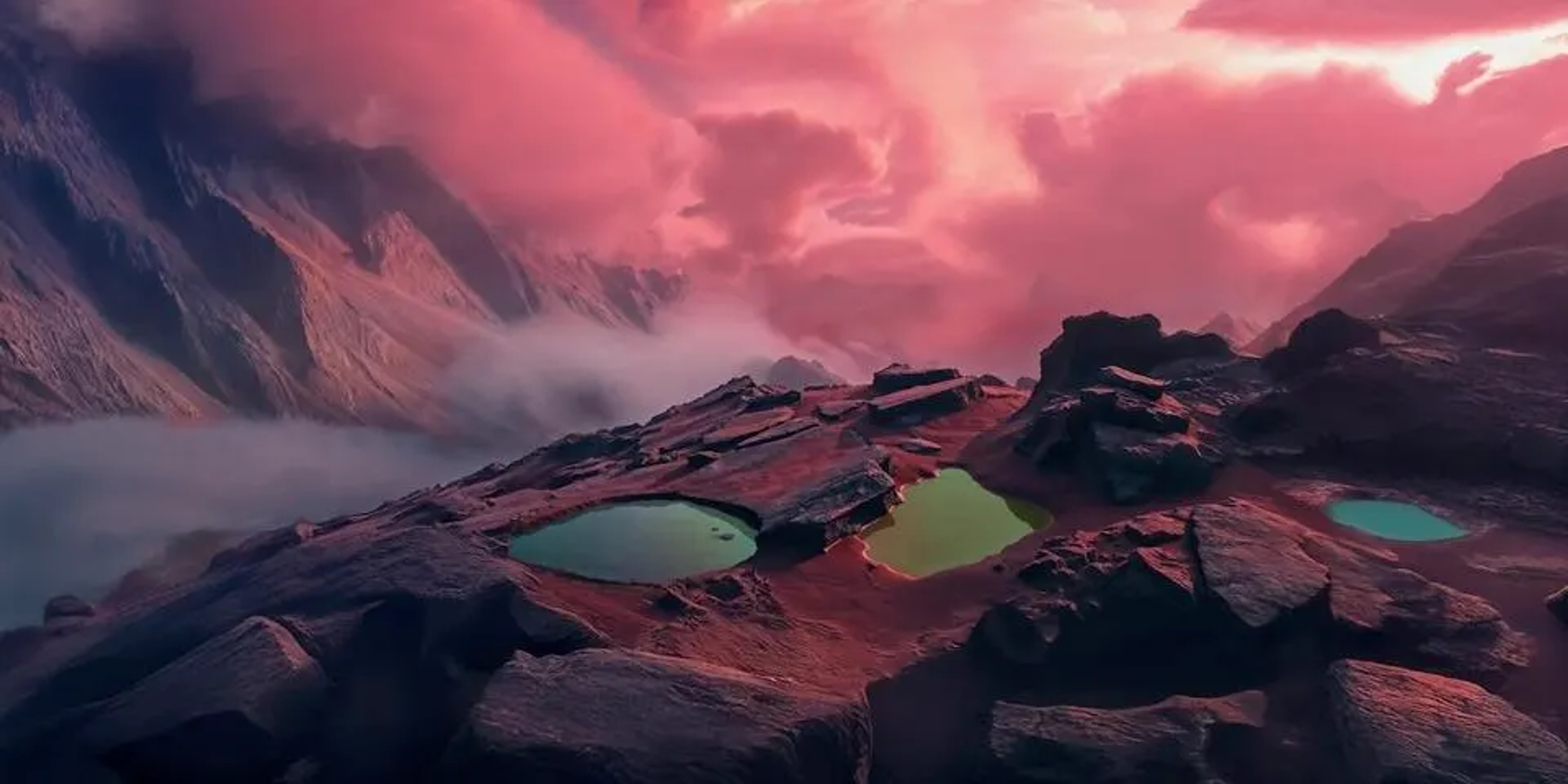
Forbes: "These New Planets Aren’t Real, But Science Says They Could Be"
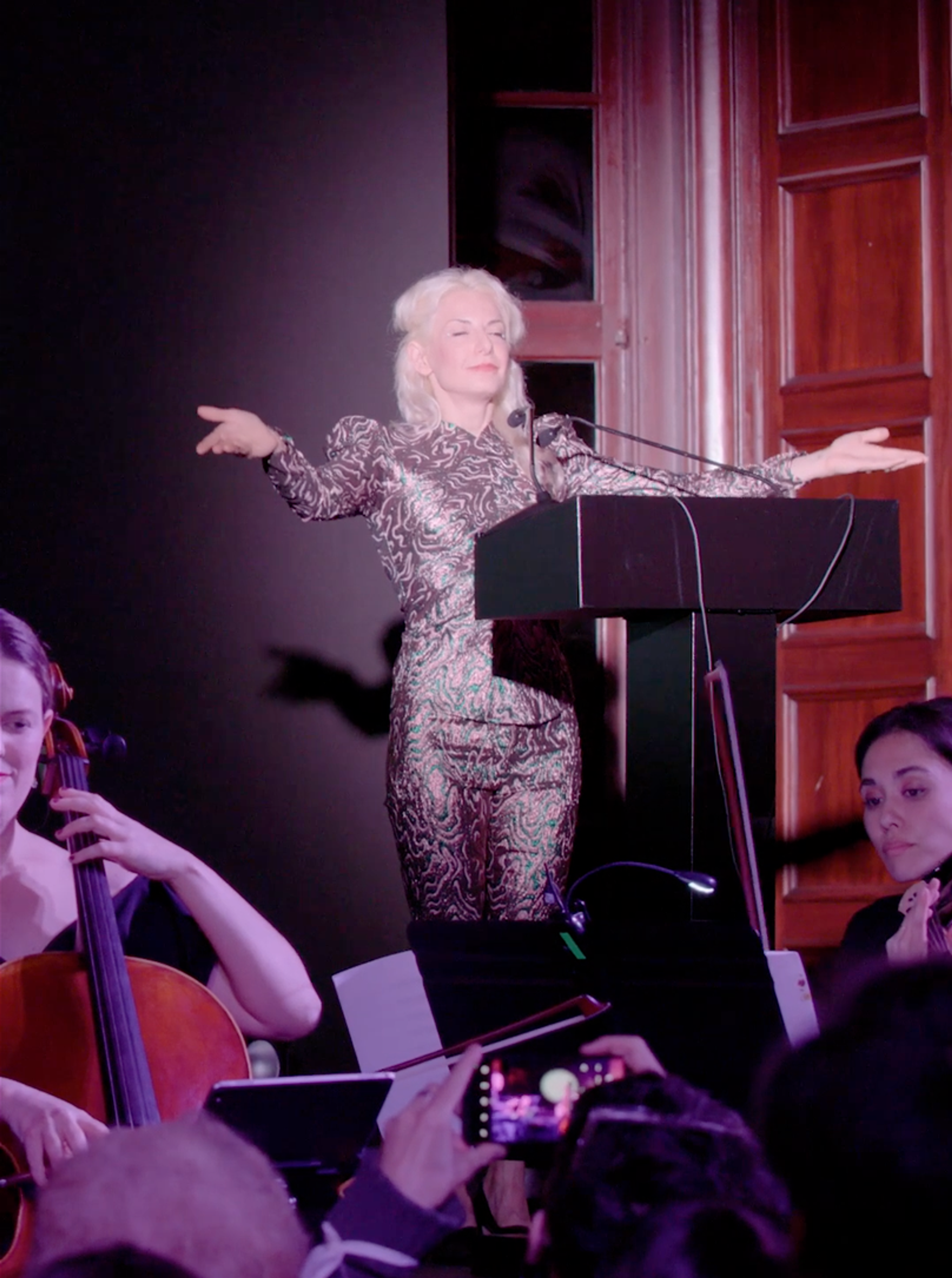
Proxima Kósmos at Getty PST Open House
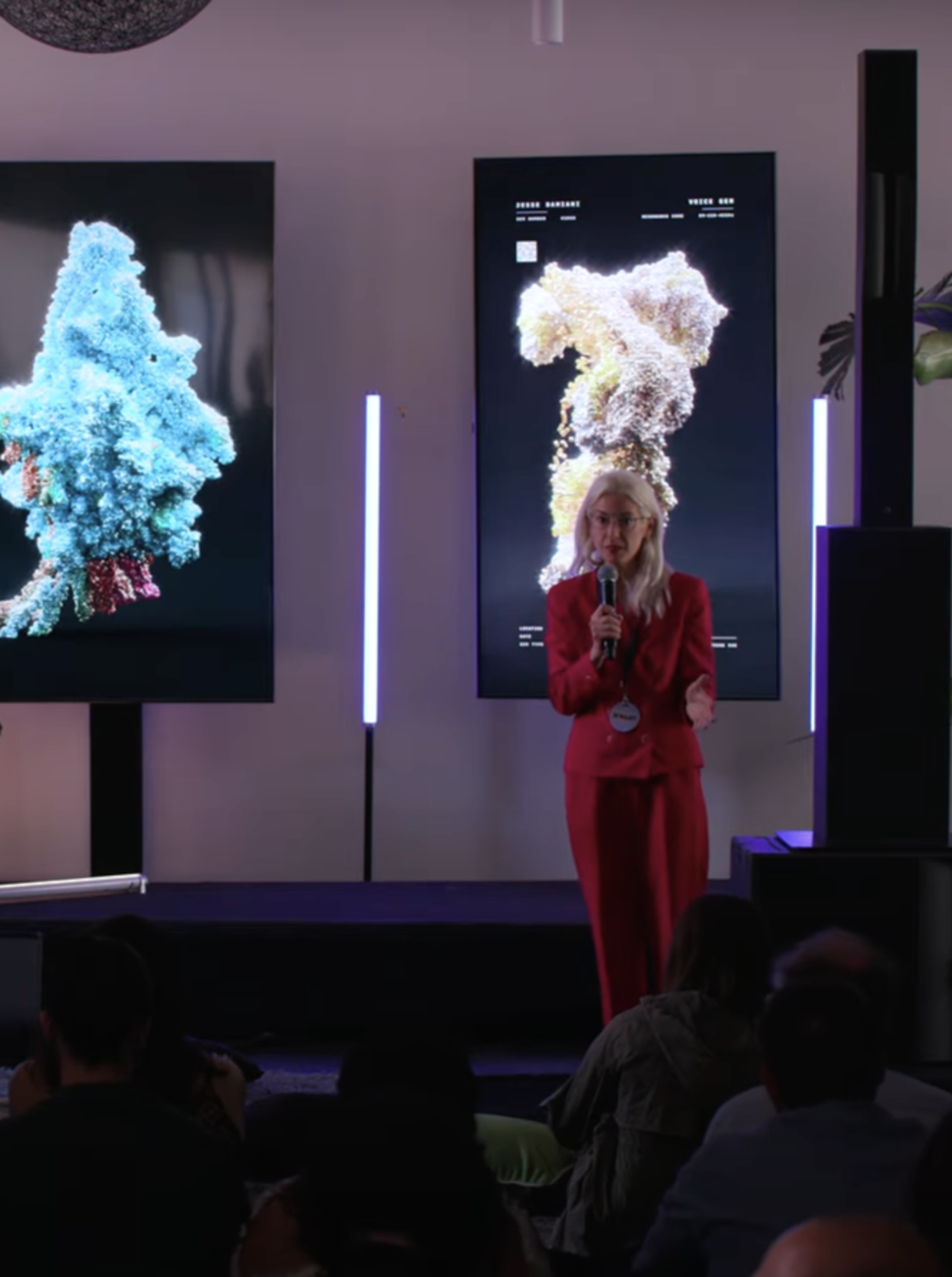
"What Will Life Become?" Event Recap
"What Will Life Become?" Reeps100 Interview
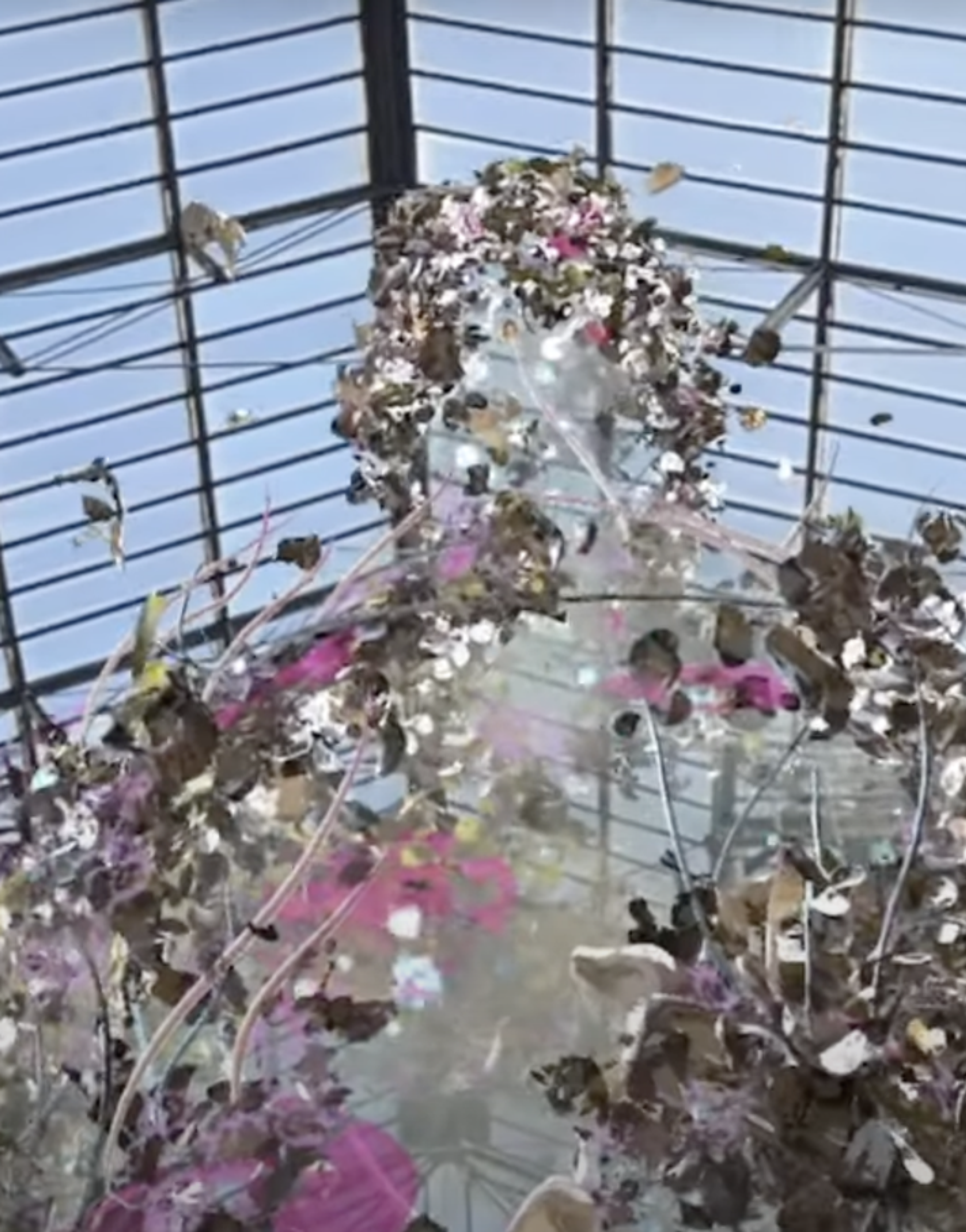
"What Will Life Become?" Nancy Baker Cahill Interview
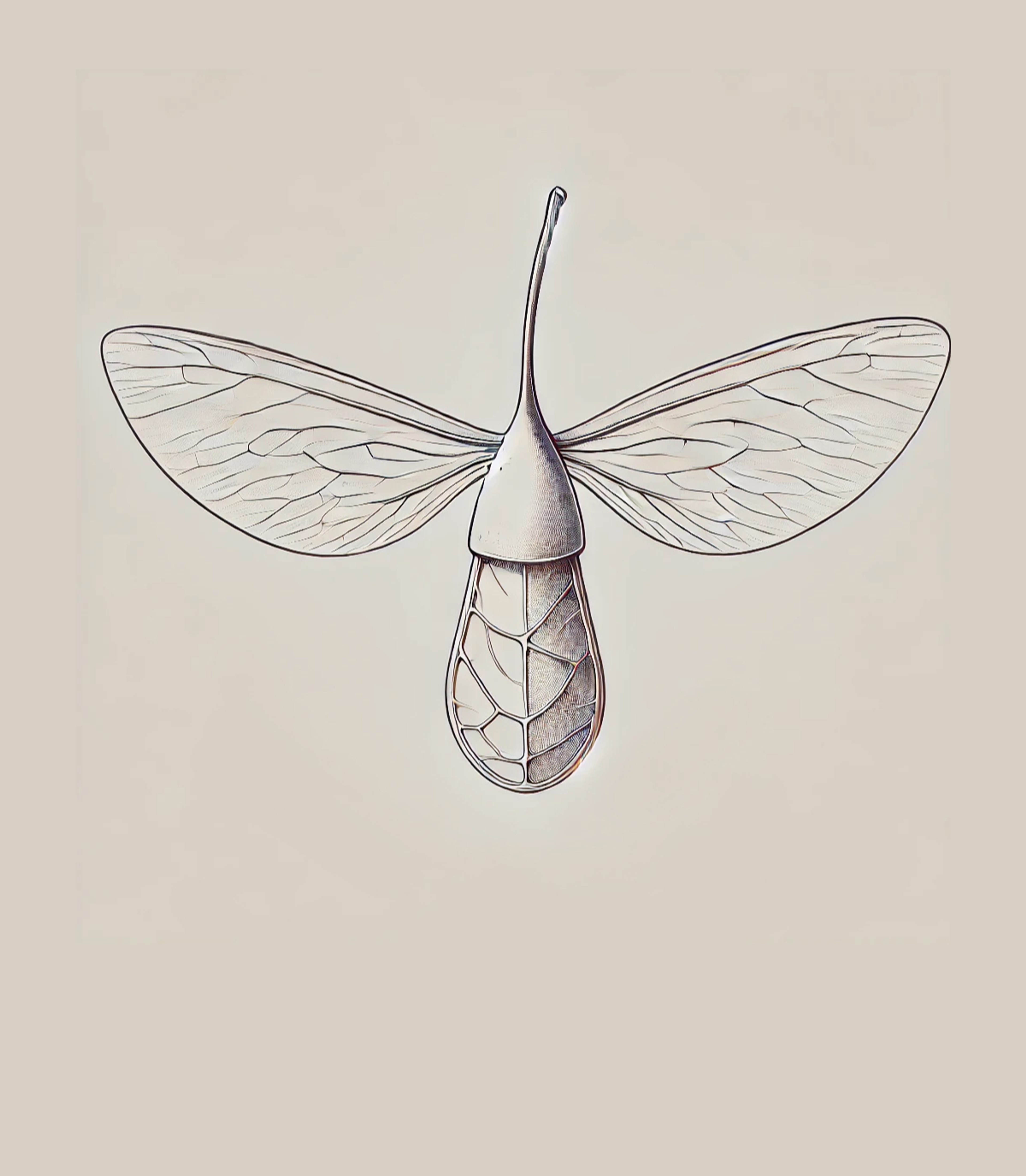
"Three Views of a Parking Lot" by Ken Liu
Future Histories of Life, Otherwise

Fiction and Futures
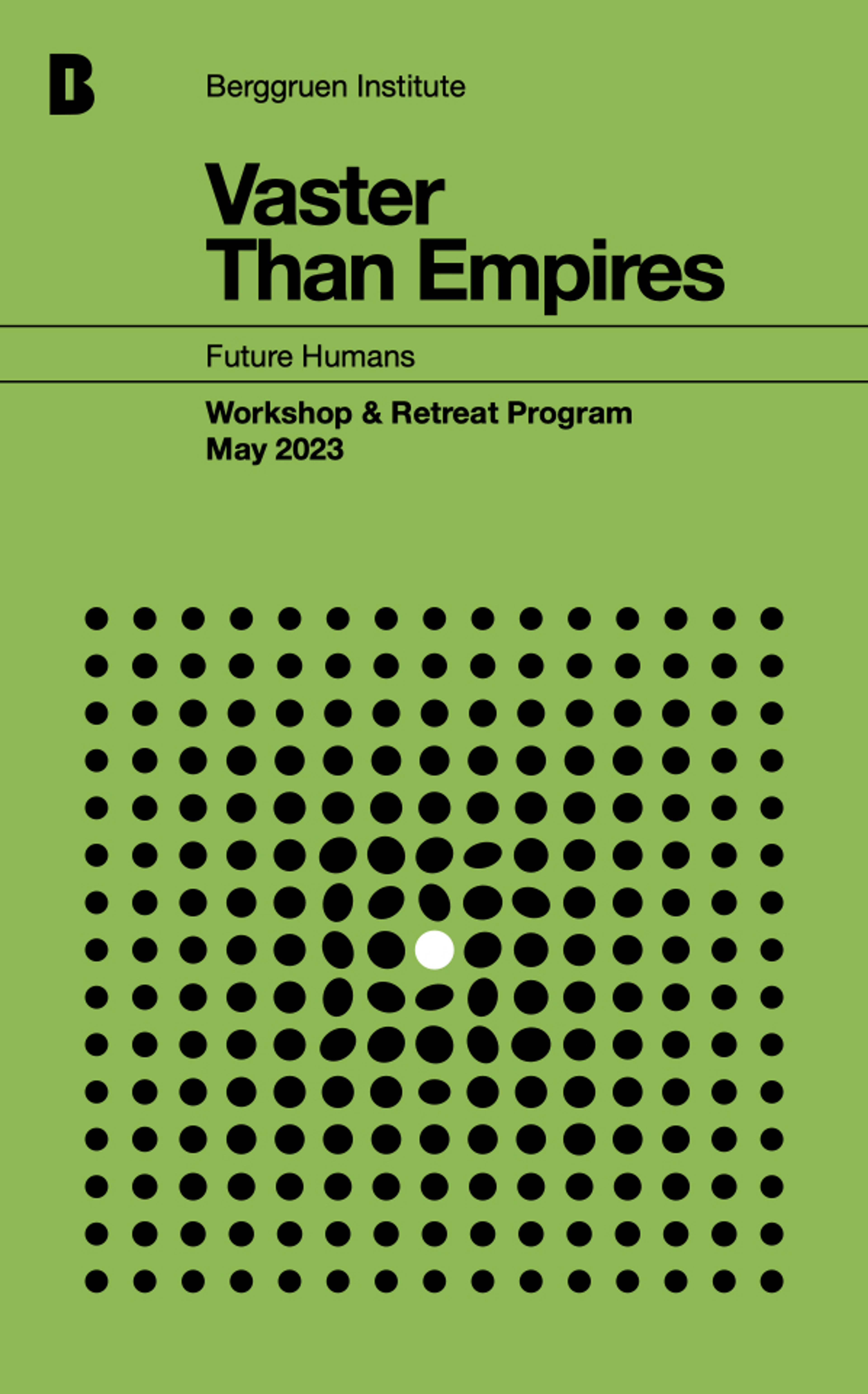
Vaster Than Empires Program
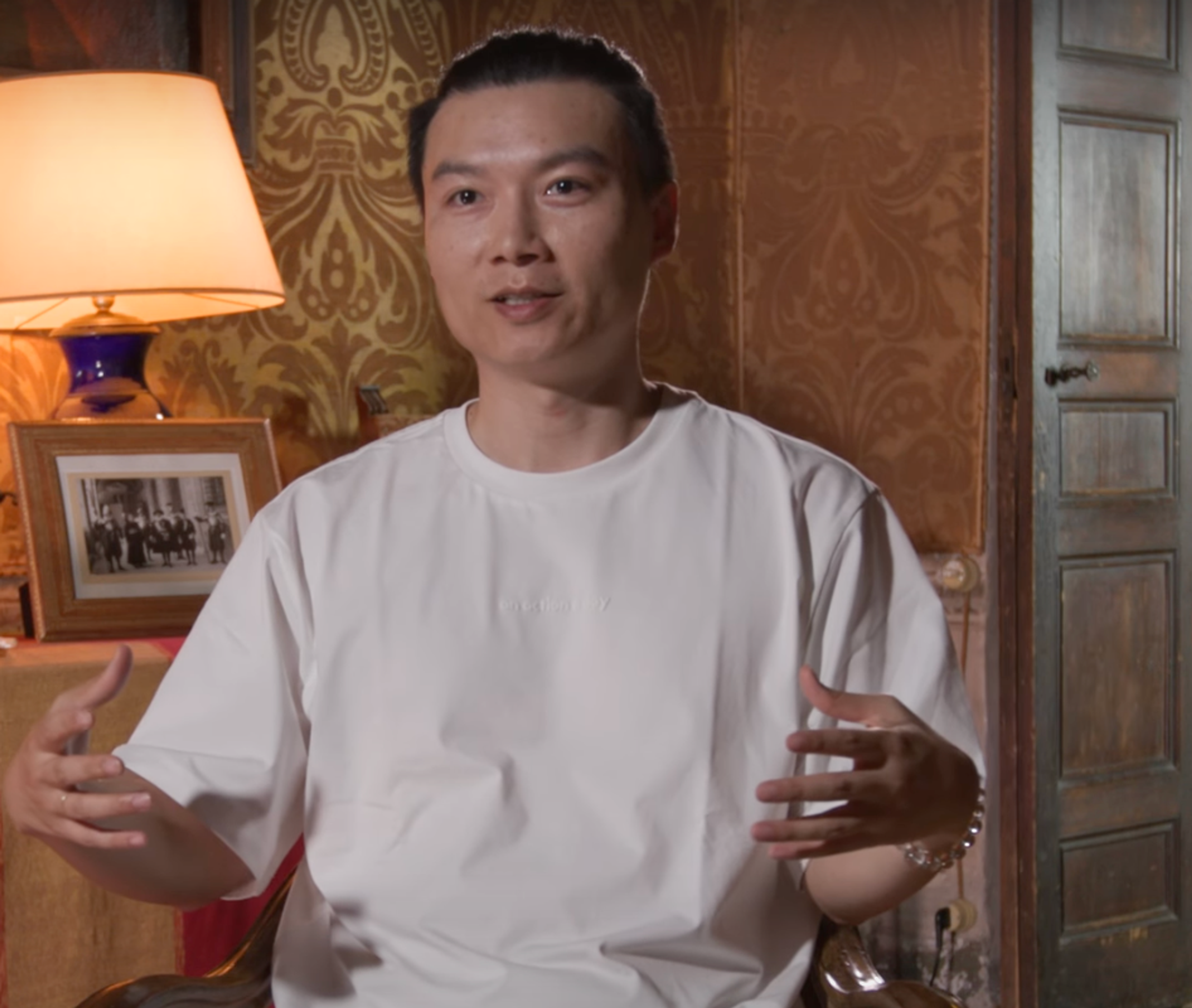
“It’s About the Present and Future, Simultaneously,” Interview with Qiufan (Stanley) Chen
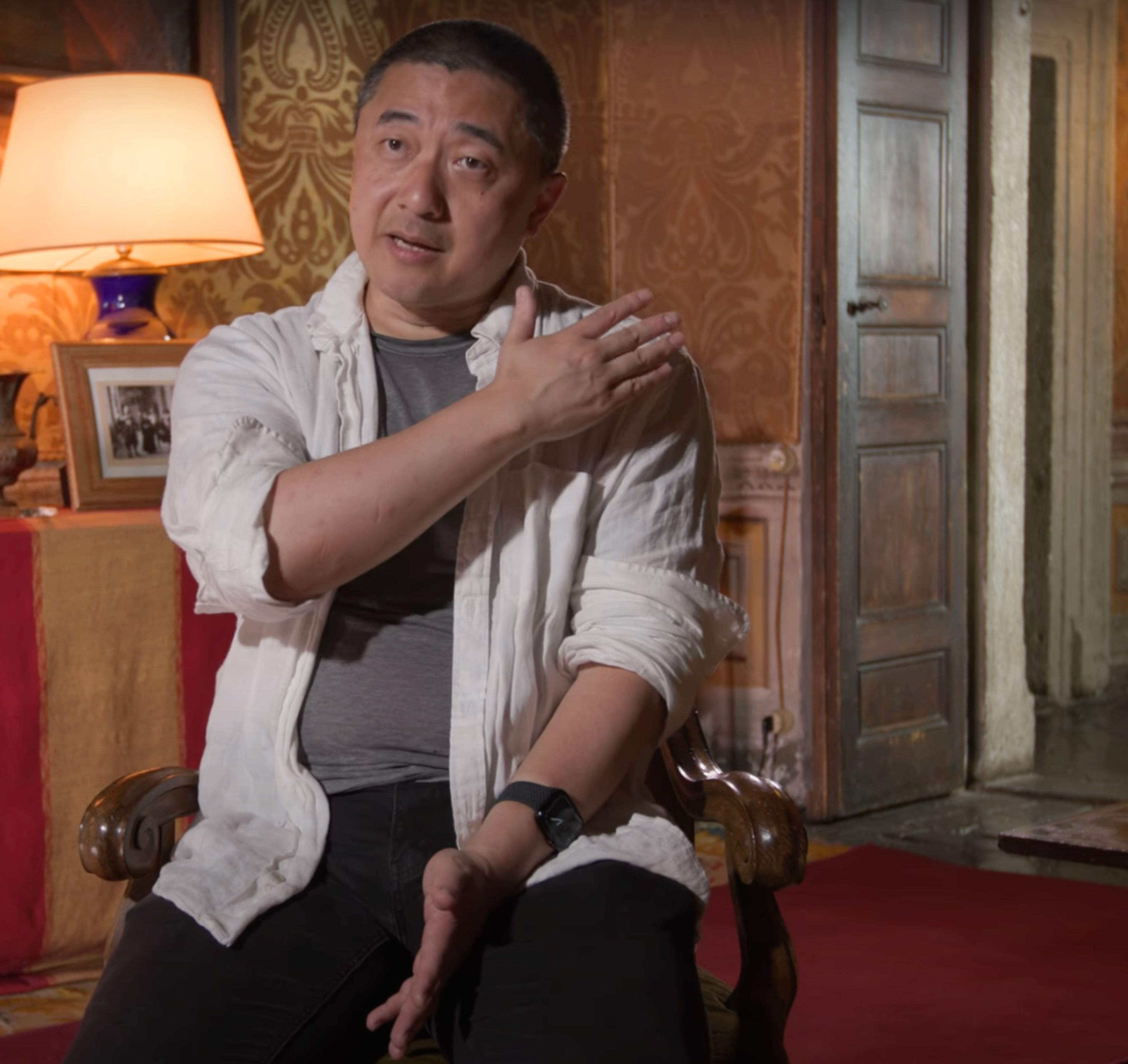
“The Ultimate Expressions of Very Long Linages,” Interview with Ken Liu
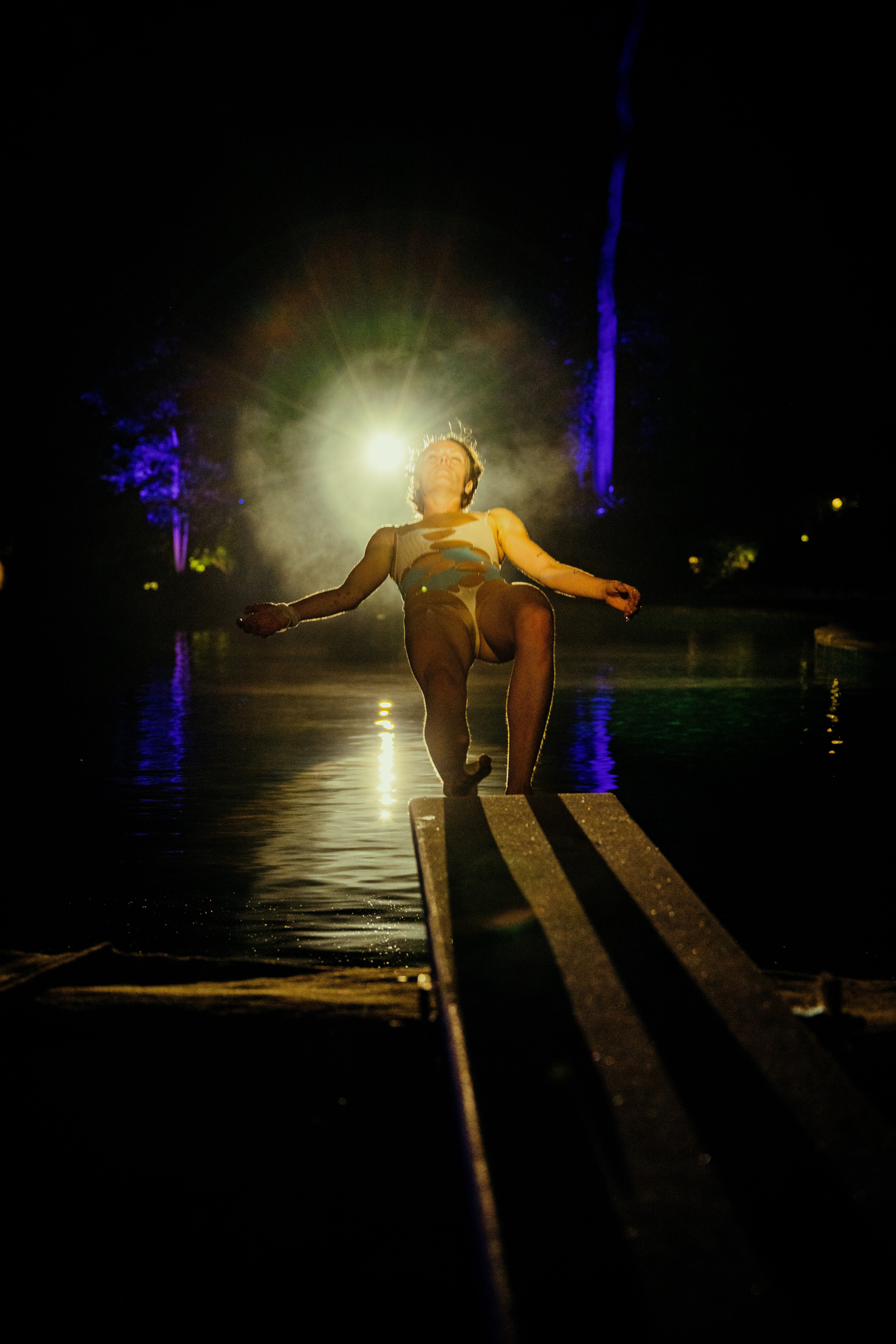
“We Might Appear as Forest Fires,” Curator’s Statement
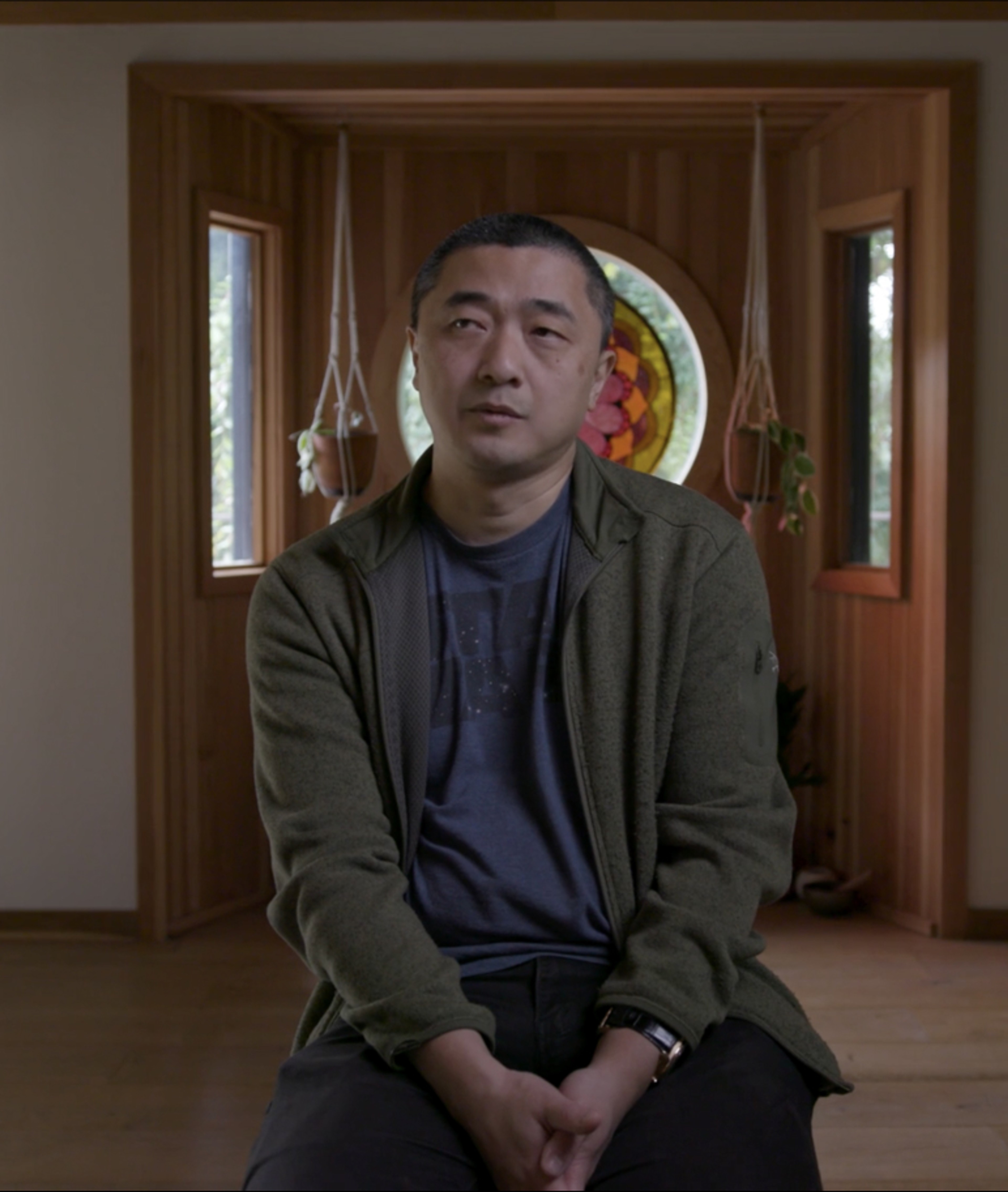
“What is Collective Intelligence?”