Arrival: Denis Villeneuve and Nina Beguš
- Date: November 2, 2026
- Location: Academy Museum
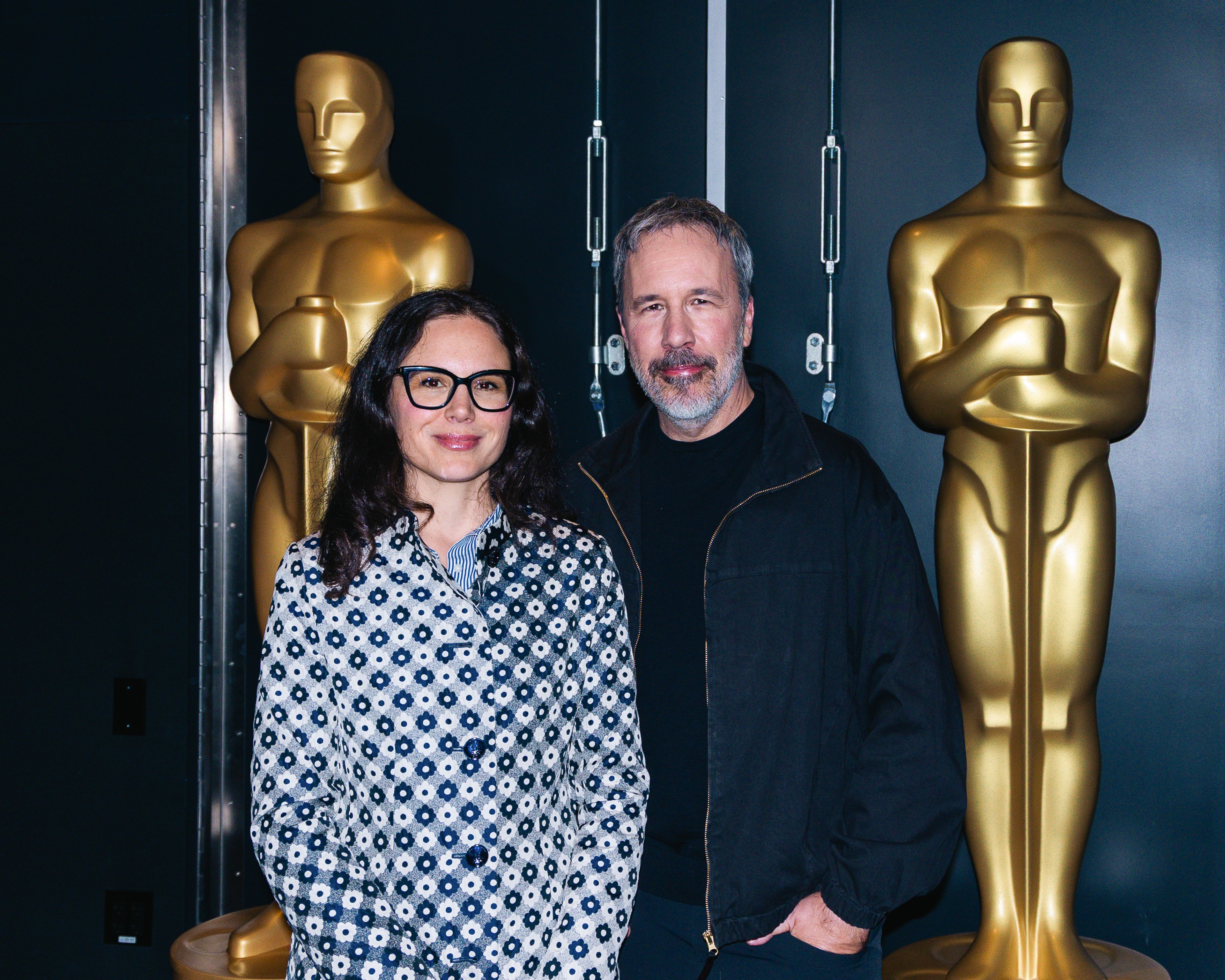
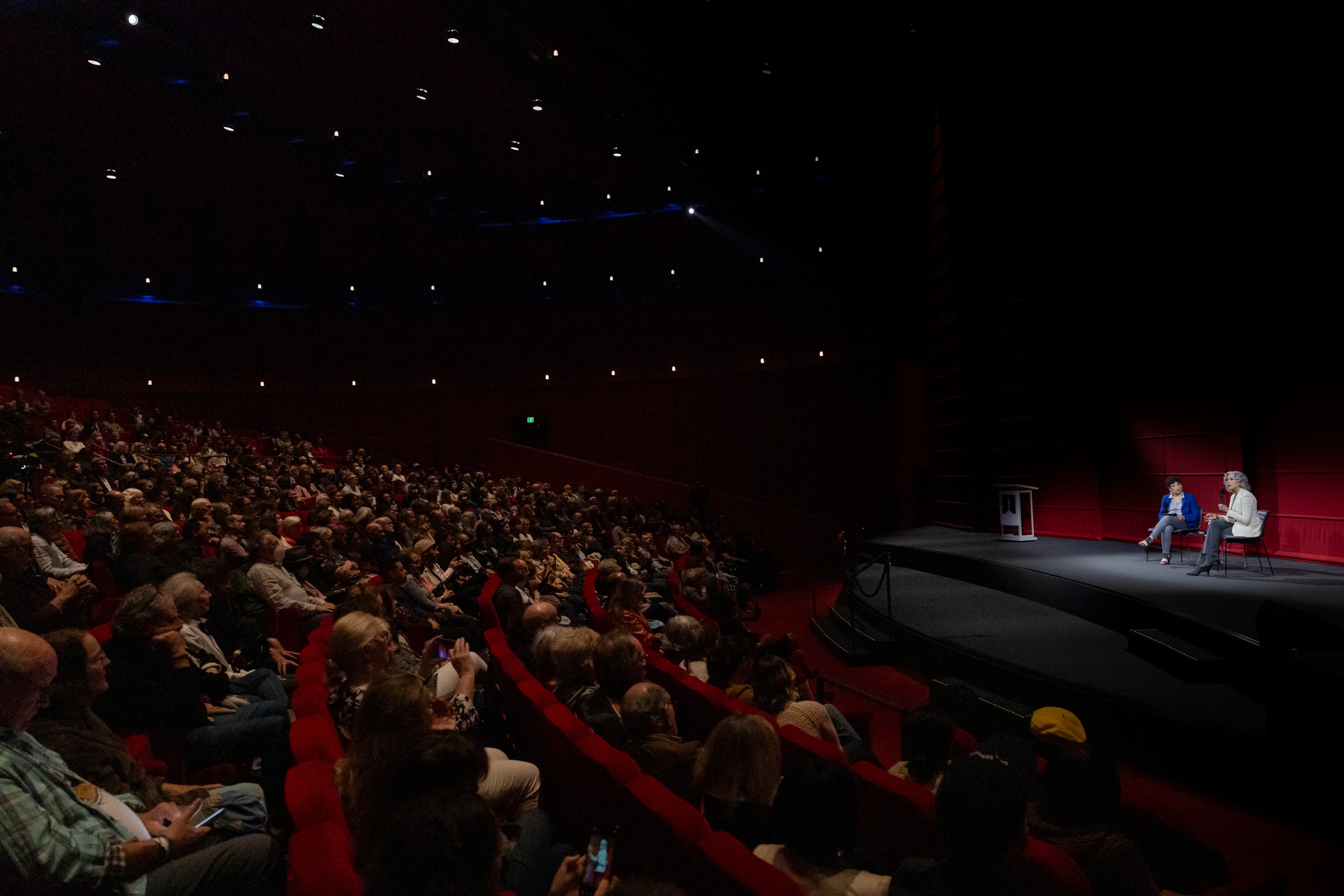
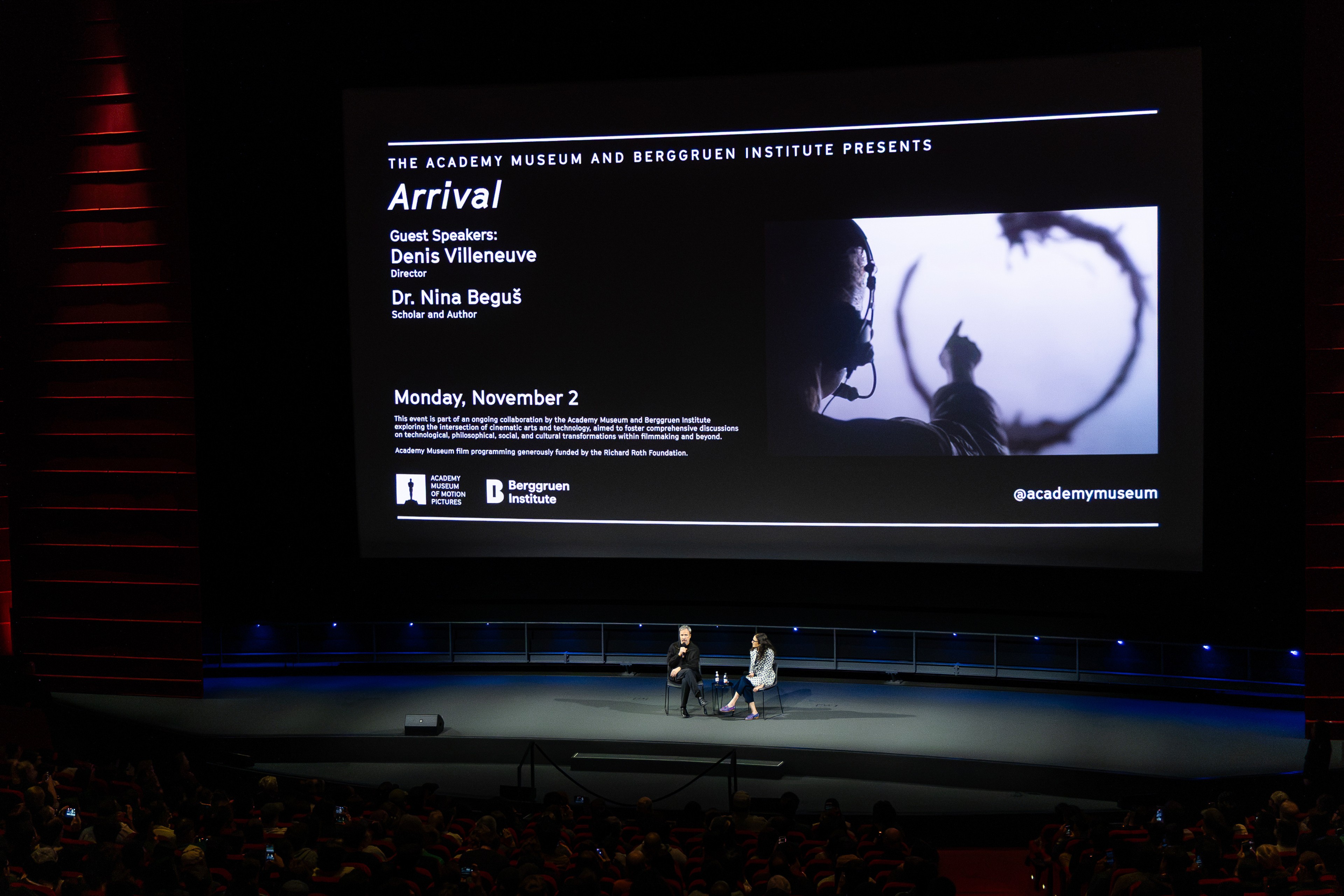
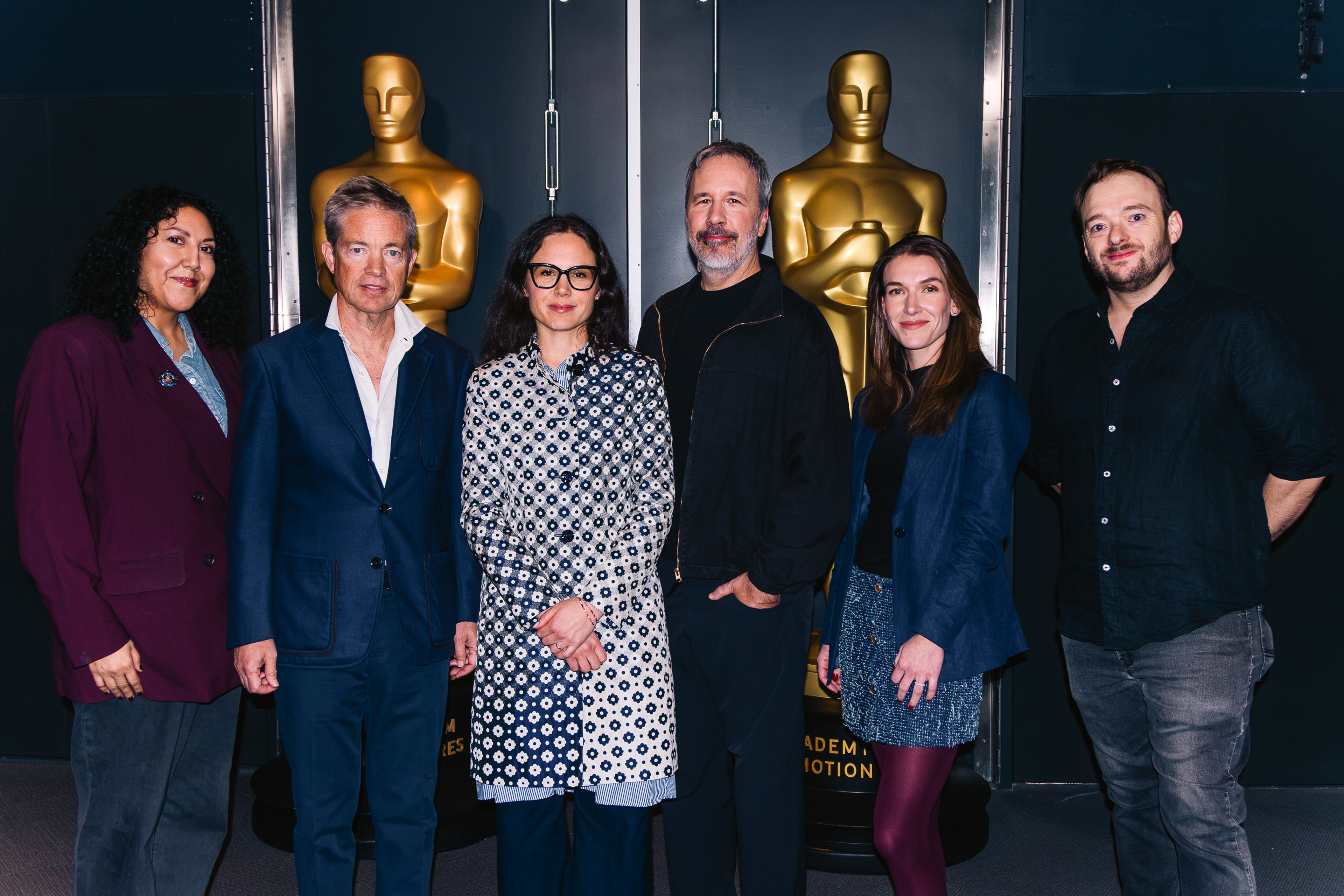
On November 2, 2026, the Berggruen Institute and the Academy Museum of Motion Pictures presented Arrival: A Conversation with Denis Villeneuve and Dr. Nina Beguš at the David Geffen Theater, marking the tenth anniversary of Arrival (2016). The evening was part of an ongoing collaboration between the Academy Museum and the Institute that explores where the cinematic arts meet technology. It paired one of the defining filmmakers of contemporary cinema with artificial humanities scholar Nina Beguš, and was followed by a screening of the film.
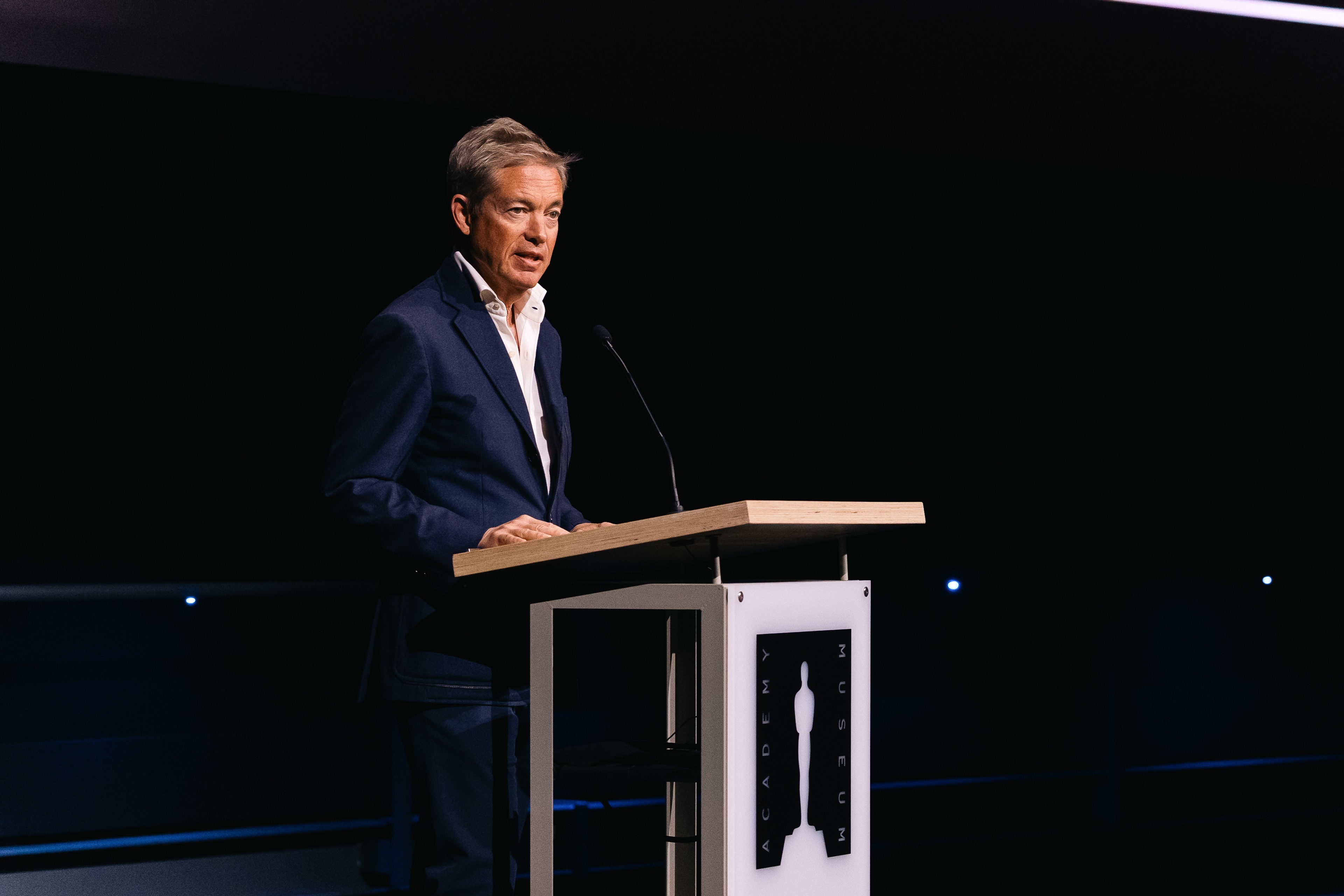
Nicolas Berggruen opened the program to a full house by framing the question at its center. Do creators’ ideas give rise to new technologies, or does it run the other way? Science fiction, from 2001: A Space Odyssey’s HAL to Arrival, has often seen these transformations before the rest of us.
Beguš argued that we are now living in an “arrival moment.” When the film premiered in 2016, AI was not yet in everyone’s pocket. Since then, it has moved into language, image-making and mathematics, the domains we once considered most distinctly human. At the same time, science has extended new recognition to animal intelligence. Both developments put pressure on human exceptionalism, and fiction is one of the places where a society works through that kind of reckoning.
Villeneuve described cinema as a technological art form and called himself “a child of the digital world.” However, he drew a firm line around what technology should do. He cited a mathematician’s lament about an AI solving a long-standing problem: “it was like a helicopter landing on a summit that climbers had spent decades approaching.” For Villeneuve, the climb is the point, because process is where understanding and craft are formed. “AI must not kill the human process,” he said. While acknowledging that AI could democratize filmmaking by making visual effects cheaper and more widely available, he added that AI is built from what already exists, while creativity means stepping into the unknown. That is why “the core of cinema must remain human.”
Beguš connected this to her research on how fiction shapes the machines we build. She traced the Pygmalion myth through films like Her and Ex Machina, and the artificial women in them who struggle to speak, against Mary Shelley’s articulate creature. When discussing recent advancements in the field of animal linguistics, she described Alex, the African grey parrot who named an apple “banerry.” The two then moved to language and identity. Villeneuve said that growing up in Quebec, shaped by French, American and European cultures, informed a film about contact with the foreign.
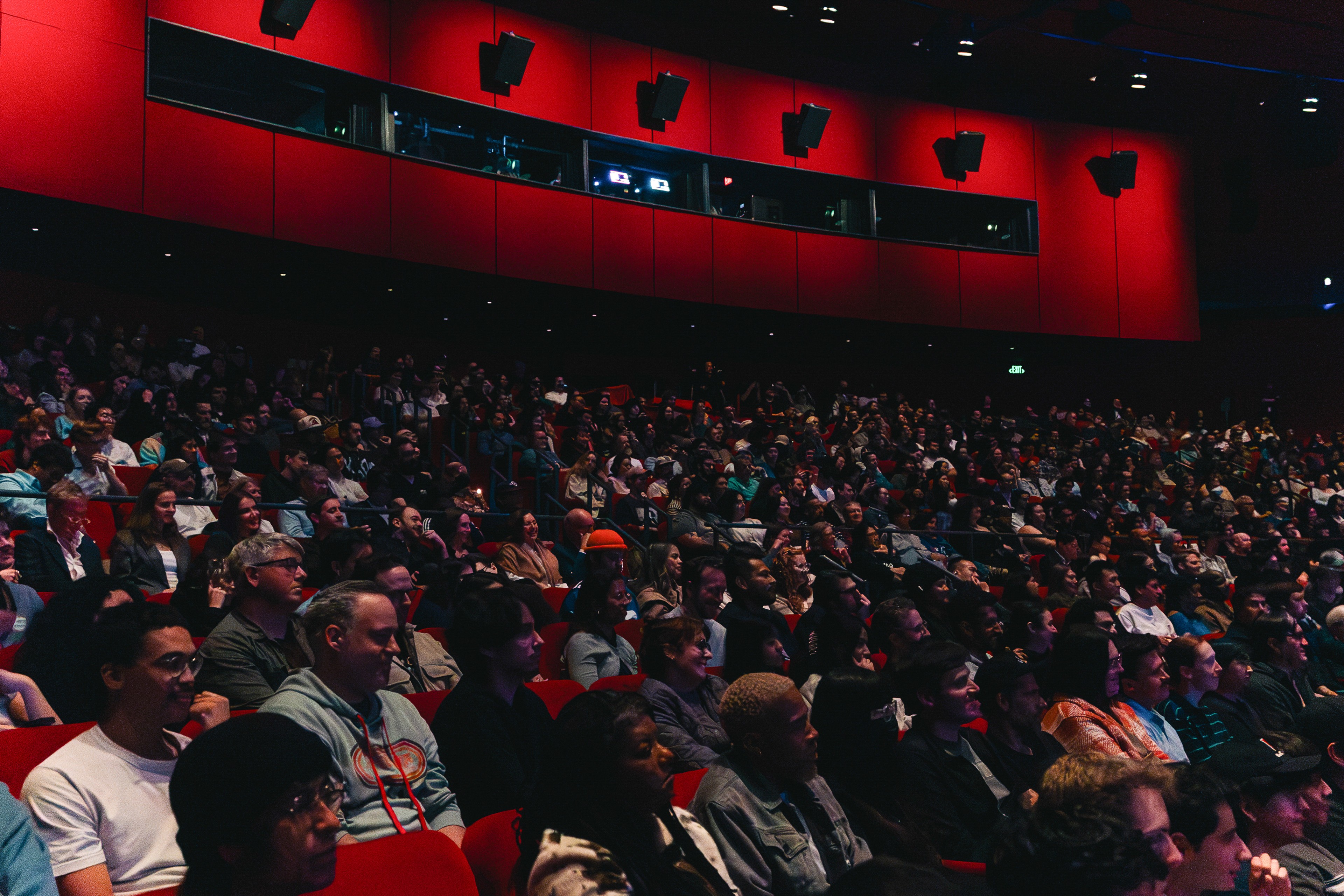
Villeneuve closed by reframing the film. It is about language and aliens, but above all about fear: the fear of living, and the choice to stay open in spite of it. That openness to the other, whether a person, an animal or a new form of intelligence, is what Beguš sees as Arrival’s lasting relevance, and the reason it speaks to this moment.
About The Berggruen Institute
About The Berggruen Institute
About The Berggruen Institute
About The Berggruen Institute
About The Berggruen Institute
About The Berggruen Institute
About The Berggruen Institute
About The Berggruen Institute
About The Berggruen Institute
About The Berggruen Institute
Related
Arrival: A Conversation with Denis Villeneuve and Dr. Nina Beguš
American Fiction: Cord Jefferson and Dr. Patricia Hill Collins