Why 1994? Society, Thought, and Art in the 1990s in China
- Date: December 17, 2025
- Location: No. 54 Yannan Garden, Peking University
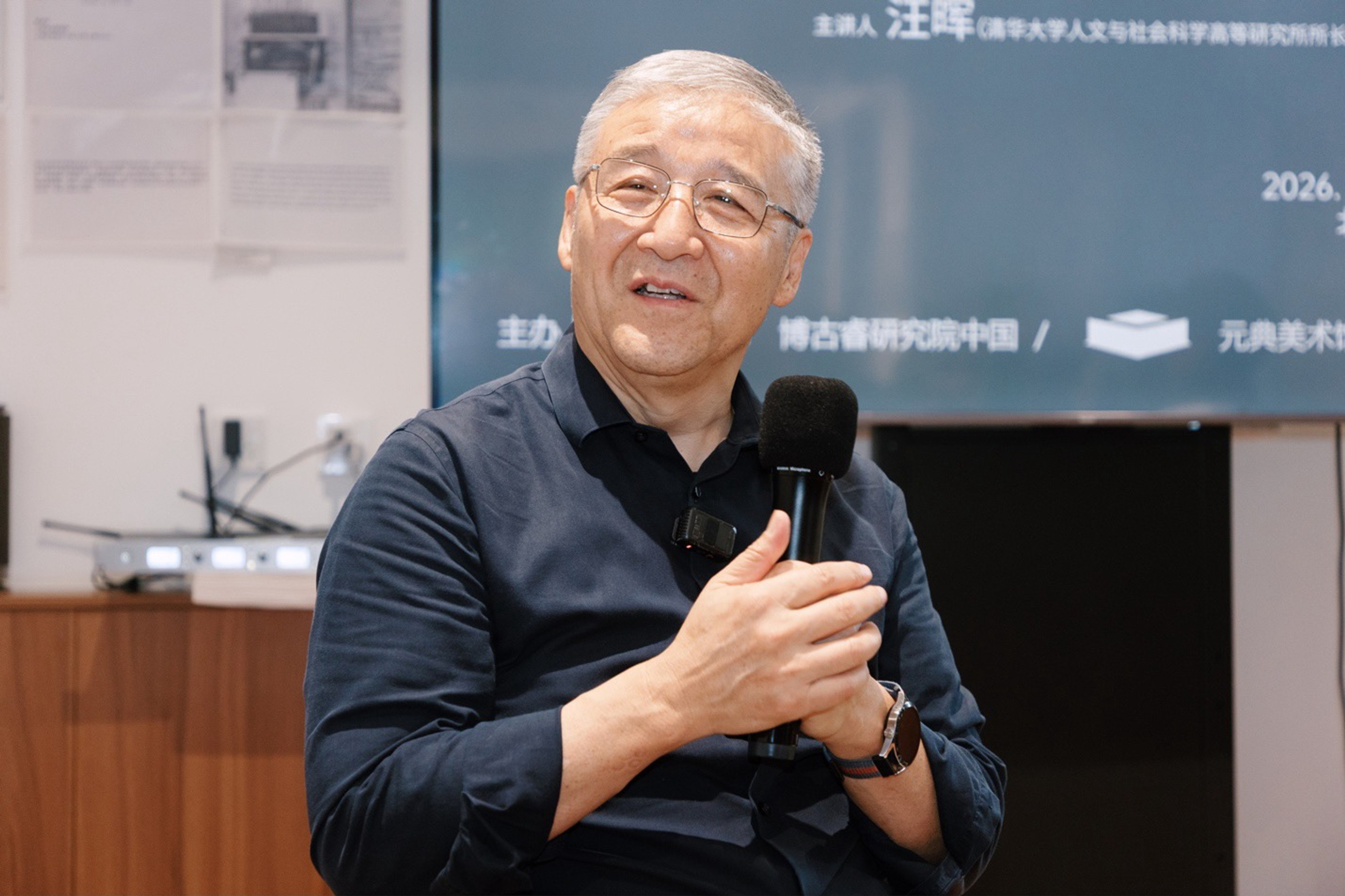
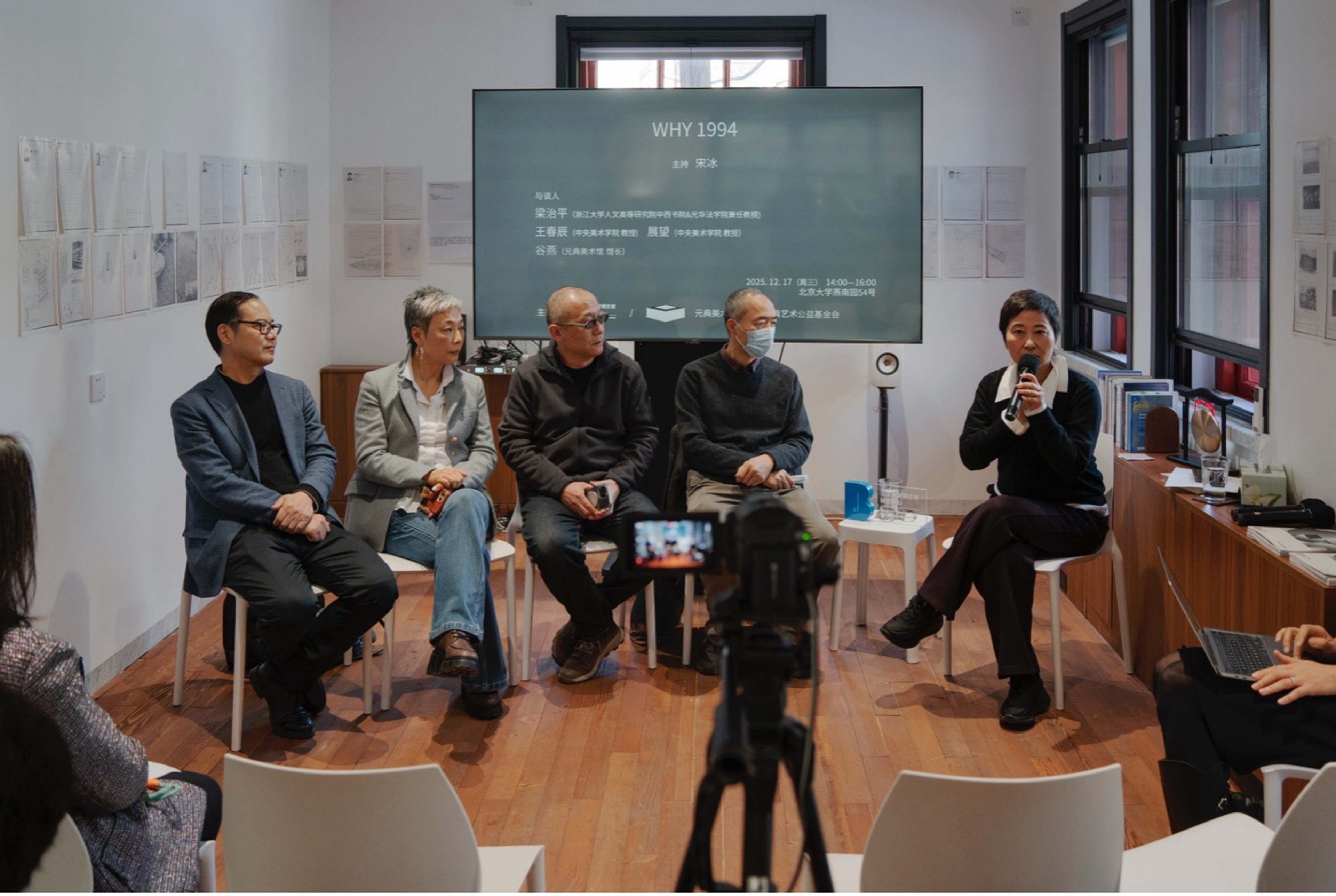
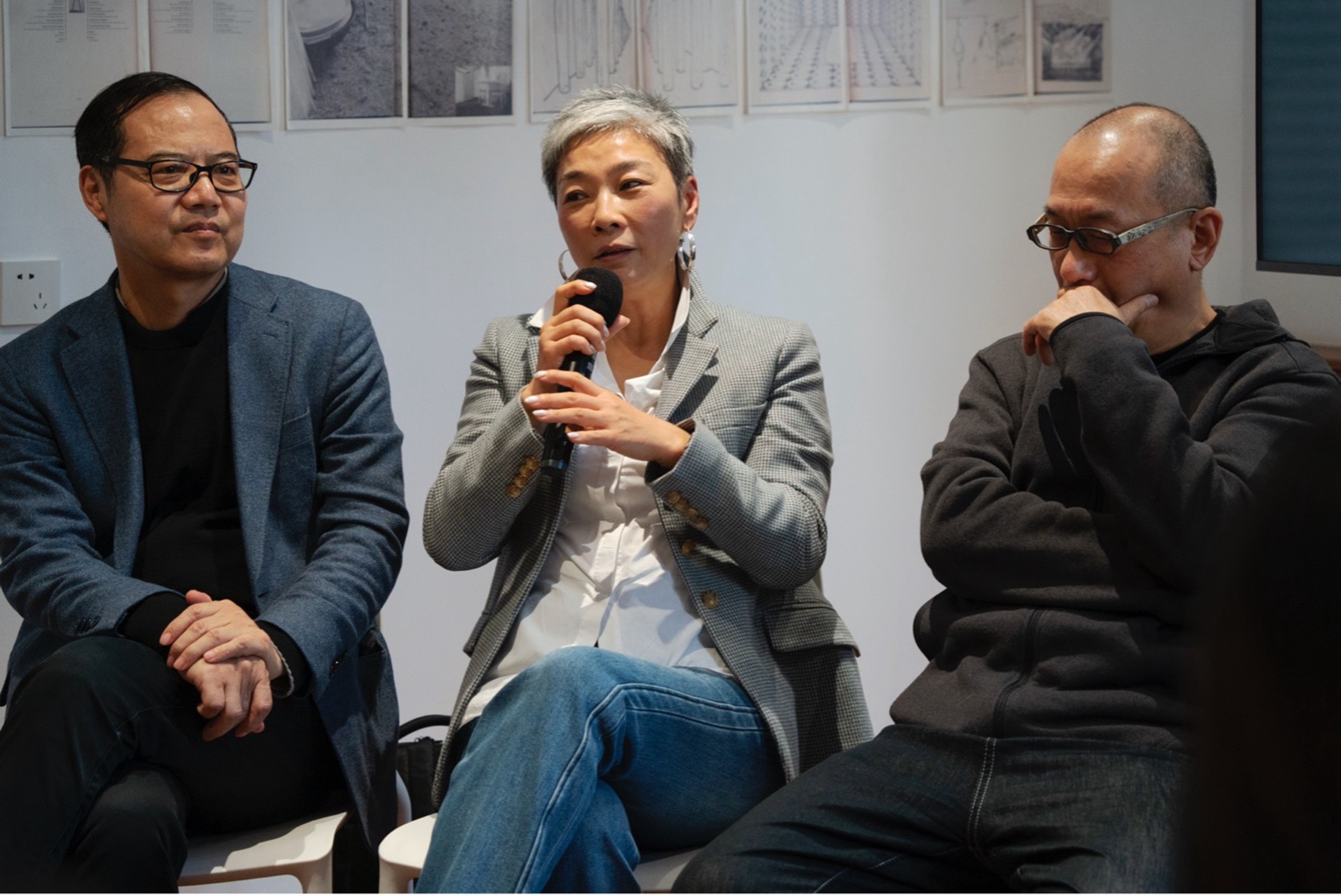
On December 17, 2025, the Berggruen Research Center at Peking University hosted a public conversation titled "Why 1994?" Organized in conjunction with the exhibition of the same name, the discussion brought together celebrated legal scholar and pioneer of legal cultural studies LIANG Zhiping, Distinguished Professor jointly appointed by the School of Humanities and the Guanghua Law School at Zhejiang University; artist ZHAN Wang, professor at the Central Academy of Fine Arts (CAFA); GU Yan, Director of Yuan Art Museum; and art critic WANG Chunchen, also professor at CAFA. The conversation was moderated by the Center's then-Director, SONG Bing.
Opening with the question "Why 1994?", Song suggested that revisiting the year is not merely about commemorating a single artwork, exhibition, or artist, but rather about understanding how an era gave rise to new forms of knowledge, ideas, and artistic thinking. New concepts never emerge in isolation; they take shape within particular social conditions, intellectual climates, and interdisciplinary exchanges. Rather than serving as a retrospective on art history alone, the discussion became a cross-disciplinary inquiry into how an era's ways of thinking and perceiving are formed, and how different intellectual communities collectively participate in the making of new ideas.
Song emphasized that 1994 cannot be understood in isolation from the intellectual and social transformations of the 1980s. Only by situating the year within the broader processes of Reform and Opening Up, institutional transition, expanding intellectual space, and the influx of global knowledge can we appreciate why it became such a significant historical moment. It prompts us to ask: What social conditions enable the emergence of new ideas? How are a generation's ways of perceiving, thinking, and judging collectively shaped during periods of historical transition?
The Social, Intellectual, and Communal Context of "1994"
Liang situated 1994 within a much longer intellectual history. Rather than recounting the political events of the 1980s, he reflected on the distinctive intellectual ecosystem of the period. The communities that formed around the publication Dushu (Reading) and such book series as Culture: China and the World and Towards the Future, together with institutions like the Chinese Culture Academy at Peking University, created an intellectual environment that is difficult to imagine today. What made the 1980s remarkable, Liang argued, was not simply the number of important events that occurred, but the atmosphere of mutual intellectual stimulation and expanding inquiry. Reading, writing, and scholarship were inseparable from the formation of a vibrant community of ideas.
His reflections extended beyond personal memory to a broader historical consciousness, centering on the theme of "death and rebirth." Looking back, Liang observed that images of decay, corruption, and death repeatedly appeared in avant-garde art from the late 1970s through the early 1980s, often accompanied by metaphors of renewal. These were not merely artistic devices but expressions deeply rooted in the historical experience of an old world dissolving before a new one had fully emerged.
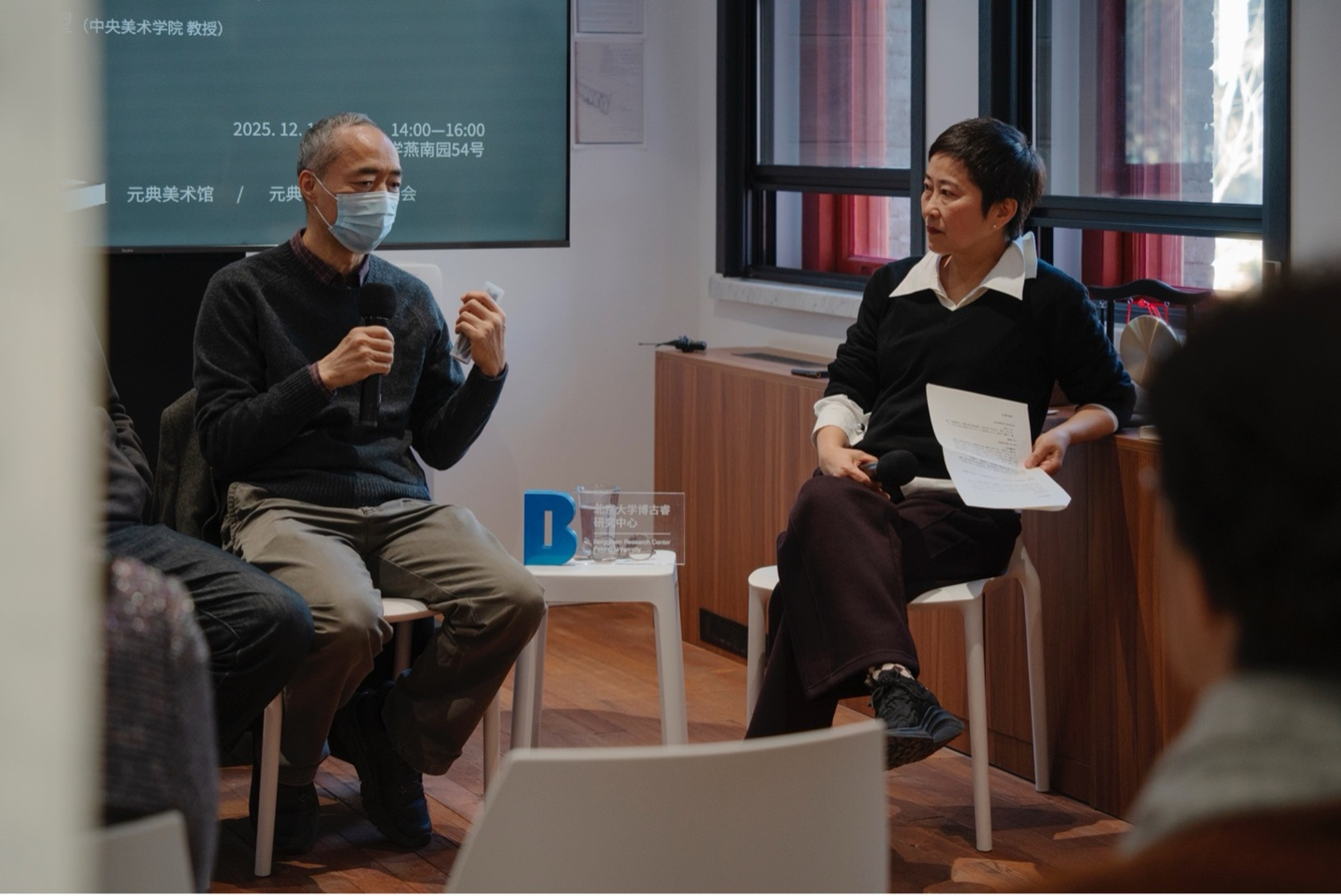
Liang connected these artistic sensibilities with his own reflections while translating Law and Religion, where the themes of death and rebirth also figured prominently. He suggested that this was not simply an individual emotional response but a deeper civilizational experience. "Death and rebirth" here refers not to trauma alone, but to the historical tension between the collapse of one order and the emergence of another. In this way, artists' acute sensitivity to social transformation resonated profoundly with intellectuals' reflections on civilizational change. As Liang remarked, "Without acknowledging and transcending death, there can be no rebirth." The power of this observation lies in its distillation of an entire generation's historical experience into a broader spiritual insight: that genuine renewal begins with the clear-eyed recognition of rupture.
An Artist's Perspective: From Learning to Reflection, from the Grand Narrative to the Personal
For Zhan, the 1980s were defined by the exhilaration of discovering entirely new ways of seeing. From the Stars Art Exhibition to the '85 New Wave Movement, what mattered most for his generation was not simply encountering unfamiliar artworks, but realizing that art itself—and the world—could be understood differently. The extraordinary public response to the Stars exhibition demonstrated that art still possessed the power to engage society directly and reshape public consciousness.
Reflecting on the '85 New Wave, Zhan resisted reducing it to a simple story of avant-garde experimentation or breakthrough. Instead, he described it as the crucial period during which Chinese artists, after decades of relative isolation, systematically encountered and absorbed the history of Western modern art. He carefully distinguished influence from imitation: for young artists still developing their own artistic identities, learning from existing traditions was both natural and necessary. The 1980s, in his view, were as much a period of intensive artistic education as one of creative liberation.
His interpretation of 1994 centered on a profound shift in artistic consciousness—from grand narratives and stylistic concerns toward more personal, concrete engagements with lived reality. When conceptual art began to circulate in China during the early 1990s, information remained scarce and artists relied heavily on informal exchanges. Yet this new artistic approach suggested that art need not proceed solely through established art-historical traditions. Instead, it could emerge from embodied experience, everyday life, and immediate social realities. Art thus returned to reality in an entirely new way.
Zhan recalled a particularly influential remark by a foreign artist: "You've learned so much about art, but your art seems to have very little to do with society." The comment prompted him to reconsider the transformations unfolding around him. As Beijing's historic urban fabric disappeared under the pressures of modernization, artists found themselves unable either to halt these changes or to ignore them. That sense of powerlessness became precisely the condition from which much of the art of the 1990s emerged.
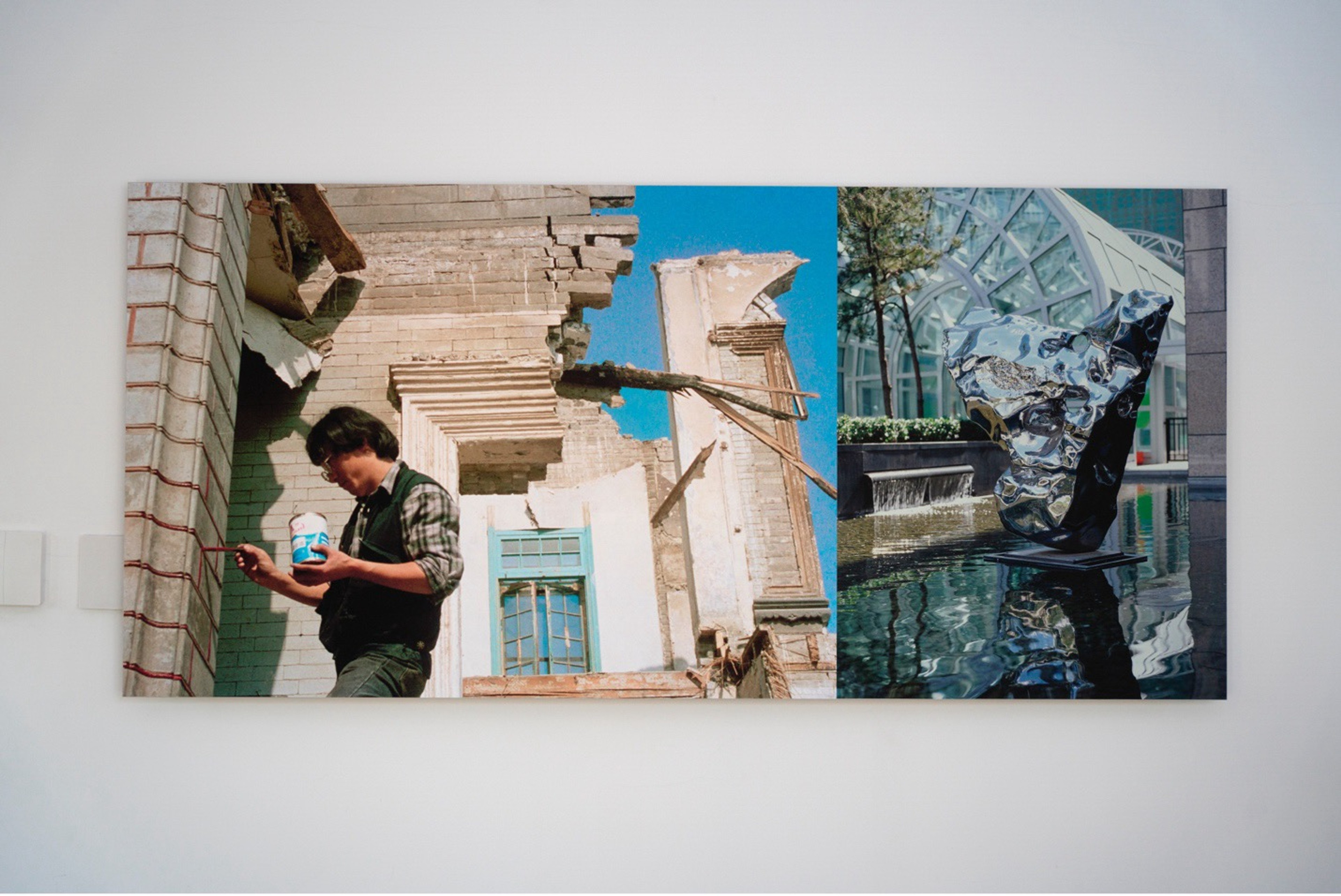
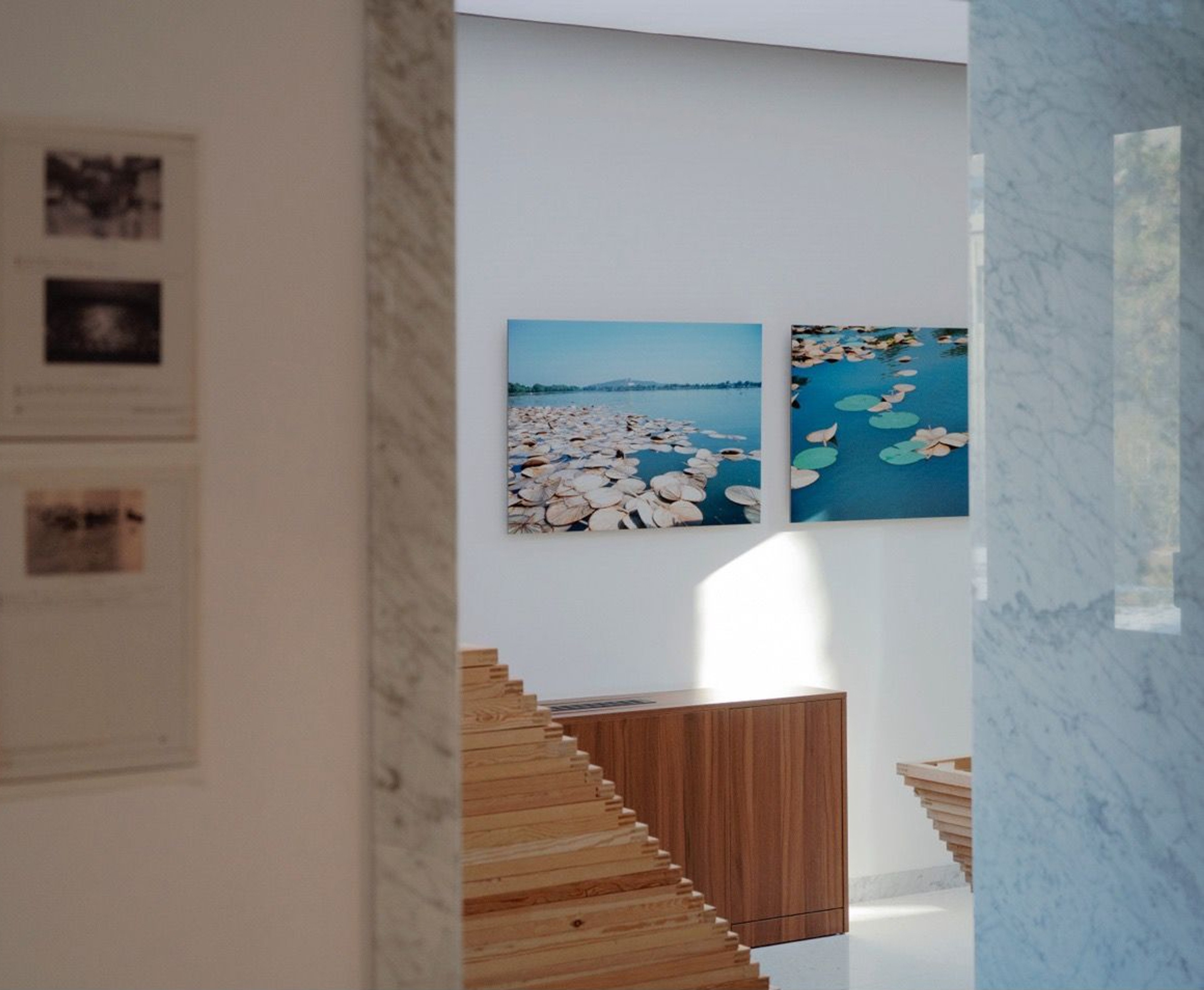
It was within this historical context that Zhan created 94 Ruin Cleaning Project. Rather than beginning with an abstract concept, the work arose from close observation of partially demolished courtyards, exposed brickwork, broken doorframes, and crumbling walls—the physical traces of a disappearing city. Instead of protesting demolition directly, Zhan proposed the quietly absurd gesture of "decorating" or "cleaning" the ruins. This seemingly futile yet restrained act became the work's strength. Rather than attempting to change reality, it rendered reality itself newly visible.
Looking back, Zhan resisted romanticizing the work. He acknowledged that artists often have little genuine influence in the face of commercialization and urban modernization, a circumstance that can even call art's own value into question. Yet it was precisely under these conditions that he arrived at another conviction: "Art always has its own perspective." This was not a claim about art's ability to transform society directly, but about its capacity to offer a distinct way of seeing—one that preserves perception, judgment, and memory amid seemingly irreversible change.
A Curator's Perspective: The Emergence of Subjectivity
Gu approached 1994 from the perspective of curatorial practice. She argued that while contemporary Chinese art in the 1980s was largely devoted to learning from and responding to Western modernism, the focus shifted around 1994. Artists increasingly turned away from external theories and grand historical narratives toward personal experience, the body, everyday life, and immediate reality. In this respect, she identified 1994 as a crucial moment in the emergence of artistic subjectivity within contemporary Chinese art.
This subjectivity was not simply individual self-expression. Rather, it represented a more independent artistic consciousness forged through the intellectual openness of the 1980s and the historical upheavals that followed. Artists moved from passive reception to active creation, from grand narratives to lived experience, and from external conceptual frameworks to their own circumstances. Although 1994 is often described as merely a transitional period in art history, Gu suggested that it should instead be understood as a moment when artists' independent agency became especially visible. She concluded by posing a question that remains urgent today: under new conditions shaped by capital, technology, and institutions, can art still sustain the same spirit of autonomy, sincerity, and intellectual vitality?
A Critic's Perspective: Before and After the Artistic Boom of the 1990s
Wangobserved that histories of contemporary Chinese art often mark the beginning of the 1990s with Deng Xiaoping's Southern Tour, an event that signaled not only further market reforms but also a renewed liberation of thought. With the defining characteristics of the 1980s being learning, openness, and intellectual anxiety, the years following 1992 witnessed the emergence of new artistic communities, including Beijing’s Yuanmingyuan Artist Village (the Art Village at the Old Summer Palace), that transformed China's artistic landscape.
Chinese contemporary art entered a period of digestion and internalization. Rather than simply learning from others, artists increasingly transformed external influences into their own questions and modes of expression. This, Wang argued, is why 1994 remains significant: in retrospect, many young artists had already begun producing work marked by mature and independent thinking. Rather than merely adopting Western artistic languages, they rooted their practices in local realities and personal experience, laying the foundations for the further flourishing of Chinese art and culture in the decades that followed.
The significance of this conversation therefore extended well beyond a reflection on a particular moment in art history. It demonstrated that artistic breakthroughs are never simply matters of formal innovation; they emerge from the convergence of social transformation, intellectual exchange, ideological change, and the awakening of individual subjectivity. Revisiting 1994 is not only a way of reassessing the historical significance of Chinese contemporary art in the 1990s, but also of asking a question that remains pressing today: in an age increasingly shaped by globalization, capital, and technology, can art continue to preserve its autonomy, sincerity, and spiritual intensity? And can it continue to offer a way of seeing the world that remains distinct from the logics of power, markets, and technology?
--
Drafted by Berggruen Intern Lochlan Zhang
Edited by Xiaojiao Li
English proofread by Berggruen Intern Jonah Dunch
About the Berggruen Institute China’s Art and Culture Program
The Berggruen Institute China’s Art and Culture Program is dedicated to fostering dialogue and co-creation between intellectual research and artistic practice. It encourages inquiry driven by artistic perspectives, as well as artistic actions and works that generate new ideas and understandings.
The program builds platforms for intellectual exchange, invites artists to participate in research initiatives, and organizes small-scale, research-oriented exhibitions and discussions to promote in-depth, cross-disciplinary dialogue.
The program does not focus on art history or the art industry research, nor does it stage large-scale public exhibitions. It concentrates on the generation of ideas and experimental cultural practice.
About The Berggruen Institute
About The Berggruen Institute
About The Berggruen Institute
About The Berggruen Institute
About The Berggruen Institute
About The Berggruen Institute
About The Berggruen Institute
About The Berggruen Institute
About The Berggruen Institute
About The Berggruen Institute
Related