The Self in the West and East Asia: Being or Becoming
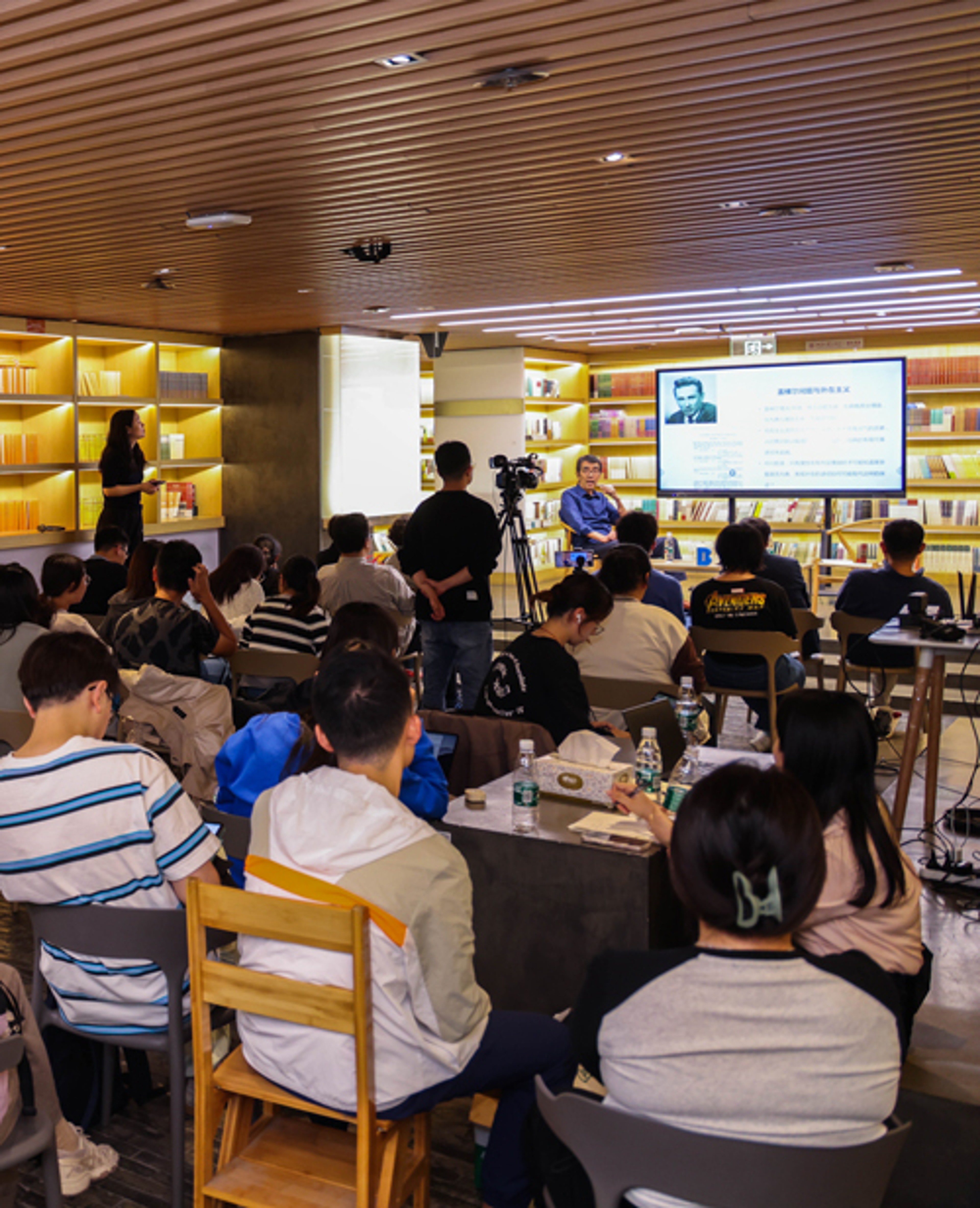
People may have an intuitive sense of what those from Western or East Asian heritages are like, but few understand the deeper reasons behind these differences. This question of “why” lies at the center of the human self. Beyond individual characteristics, our sense of self owes much to the philosophy of our culture. Dr. Jin Li will give a presentation on her new book: The Self in the West and East Asia: Being or Becoming. She will explore the philosophical origins of the self in both cultural systems, synthesizing the findings of cutting-edge psychological research to reveal a fundamental contrast.
Speaker
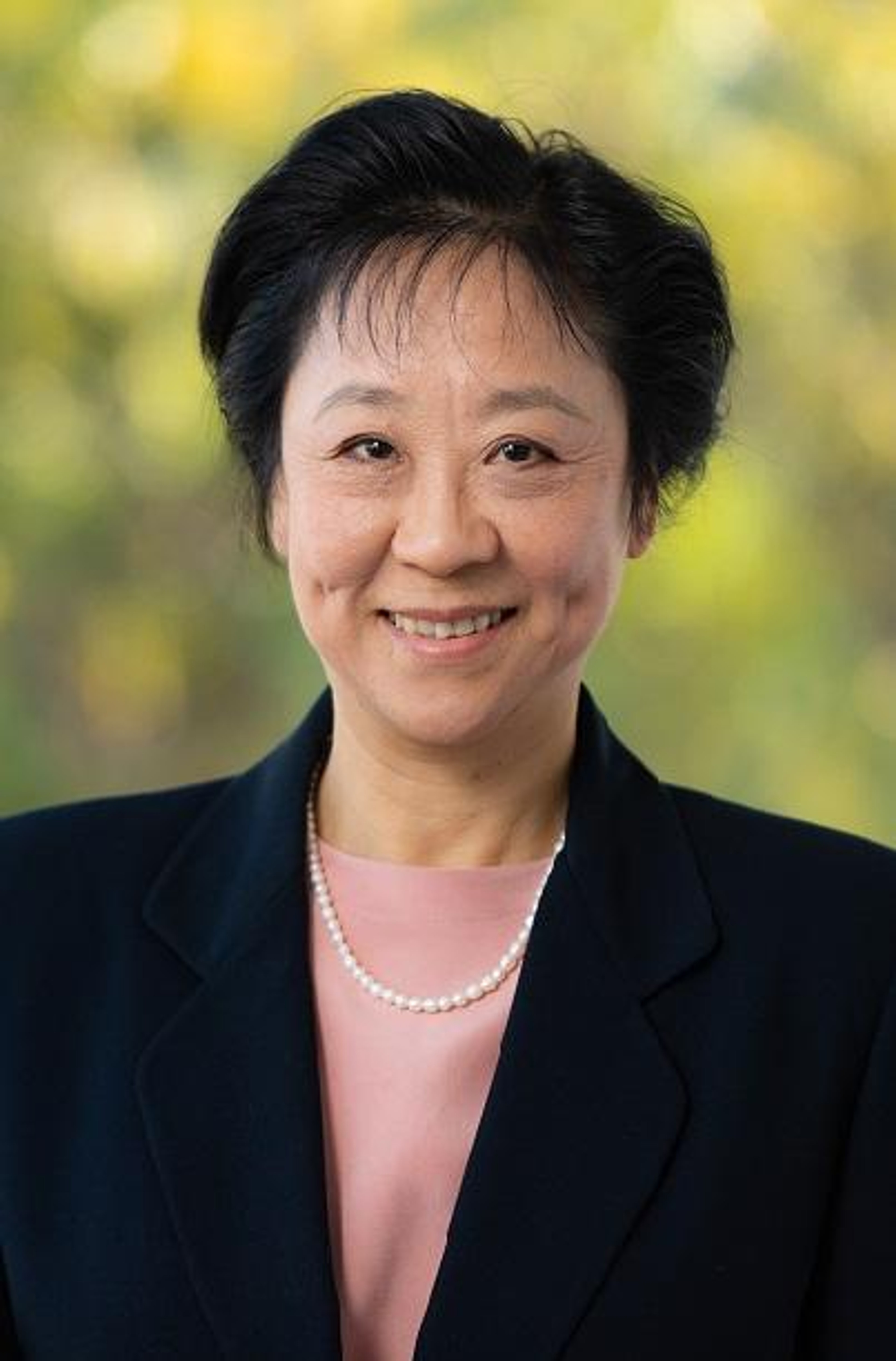
LI Jin
Professor of Education and Human Development at Brown University
Dr. Li’s research focuses on East Asian virtue-oriented and Western mind-oriented learning models and how these models shape children’s learning beliefs, parental socialization, and achievement. The Berggruen Fellowship (2015—17) supported her book project entitled The Self in the West and East Asia: Being or Becoming, published in 2024. In this treatise, Li synthesizes philosophy with psychological research to examine how the self is conceptualized and functions in these two cultural systems. Currently, Dr. Li is writing a new book on the philosophy of affect in the West and East Asia and related psychological research. Li received her B.A. in German from Guangzhou Institute of Foreign Languages, China, 1982. She earned her first Ed.M. in education from the University of Pittsburgh in 1988, her second Ed.M. in Administrative Planning and Social Policy in 1991 and her Ed.D. in human development and psychology in 1997 from Harvard University.
Commentator
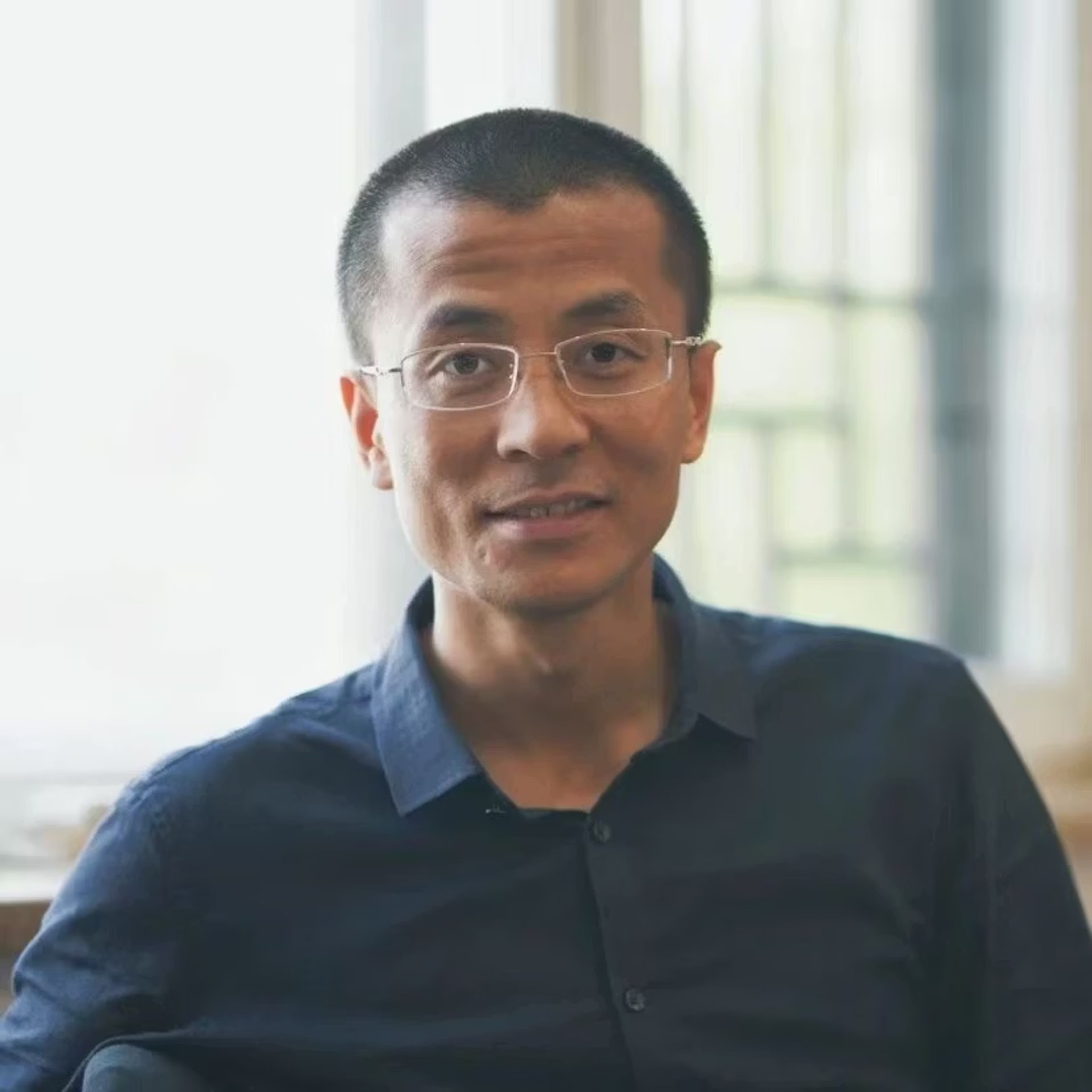
CHENG Lesong
Dean and Professor, Department of Philosophy and of Religious Studies, Peking University
Professor Cheng earned his PhD in Culture and Religion from the Chinese University of Hong Kong in 2006. His research focuses on early Daoist thought, the history of Daoist ideas, and intellectual history during the Han Dynasty. Adopting a perspective that views religion in terms of faith, he employs methods in textual and intellectual history to analyze Daoist classics within their ancient cultural contexts, thereby contributing to an academic understanding of Daoism in Chinese cultural history. Professor Cheng also teaches a range of courses on Daoism and religious studies, including Daoist history, Daoism and folk religion, and the principles of religious studies.
About The Berggruen Institute
About The Berggruen Institute
About The Berggruen Institute
About The Berggruen Institute
About The Berggruen Institute
About The Berggruen Institute
About The Berggruen Institute
About The Berggruen Institute
About The Berggruen Institute
About The Berggruen Institute
Related

Neither Human nor Machine: On the In-Betweenness of AI

Living Metaphysics: Process Thought, Buddhist Philosophy, and the Impact of Ontology

The Intuition Trap: Exploring How Evolutionary Psychology Explains Contemporary Misconceptions
When Sci-Fi Meets Brain Science: Baoshu Discusses New Book with Ge Jianqiao

A Reflection on Speciesism

Aristotle on Emotions and Emotion Proof

Ten Thousand Things: Cross-morphing and Transmattering

Human Nature and Planetary Metaphysics

Verb Thinking and Neo-Enlightenment

The Elusive Body: From Daoism to Digital Selves
Shame and Happiness: A Philosophical Dialogue Across Ancient Greece and Early China

Dual Perspectives on Bioethics: Western Principalism and the Confucian Rituals Tradition

The Illusion of the Causality of Life

Digital Personality: Humans and AI

Confucian Ren and Care

Planetary Pluralism: A Humanistic Dialogue on Migration to Mars
Fundamental Concepts in Philosophy: BODY
From Tree of Life to Web of Life — The Origin of Life Complexity

The Logic of Life in the Ninth Power of Ten
A Bridge of Nature Across the Cognitive Divide: Scientific Externalism of Perception and Cognition