A global network of thinkers navigating change through ideas
what we do
Fostering Ideas for the Future
Since its founding, the Berggruen Institute has sought to forge new conceptual frameworks that meet today’s planetary-scale challenges and harness the opportunities of rapid technological change. As an independent incubator of ideas, positioned at the intersection of science, technology, philosophy and the arts, the Institute has the autonomy to step outside the usual lanes, reaching beyond academic disciplines, social divides, partisan dispositions and cultural boundaries.
With hubs in Los Angeles, Beijing and Venice, tied together by a publishing web and a global network of frontier thinkers, the Institute is a unique platform for the cross-fertilization and dissemination of ideas that seed new foundational paradigms.
featured
featured

Futurology
Futurology wins gold at the Signal Awards!

Engaged California
Humans in the loop: AI impact report released
Nathan Gardels
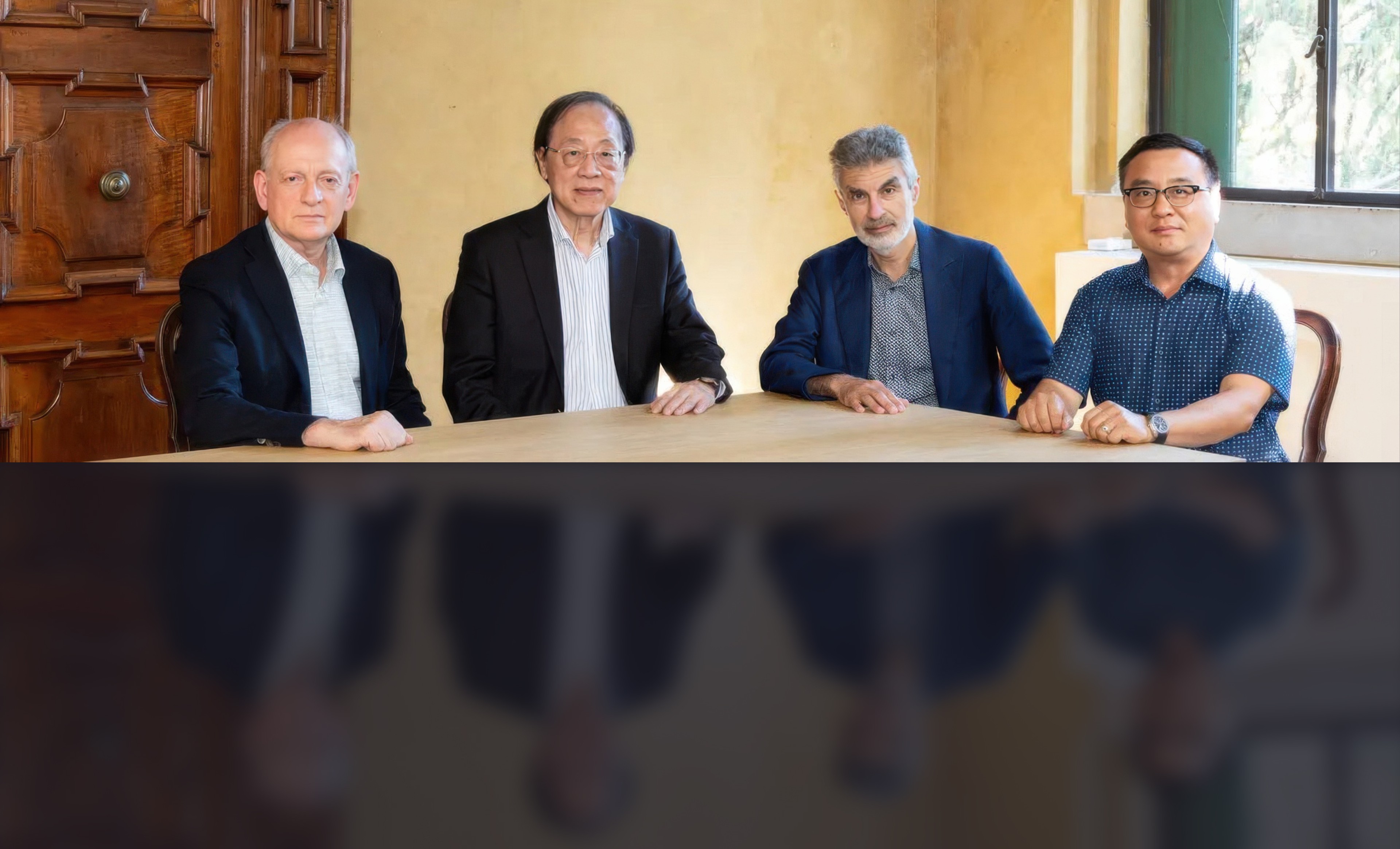
AI Safety Is A Global Public Good
Bing Song
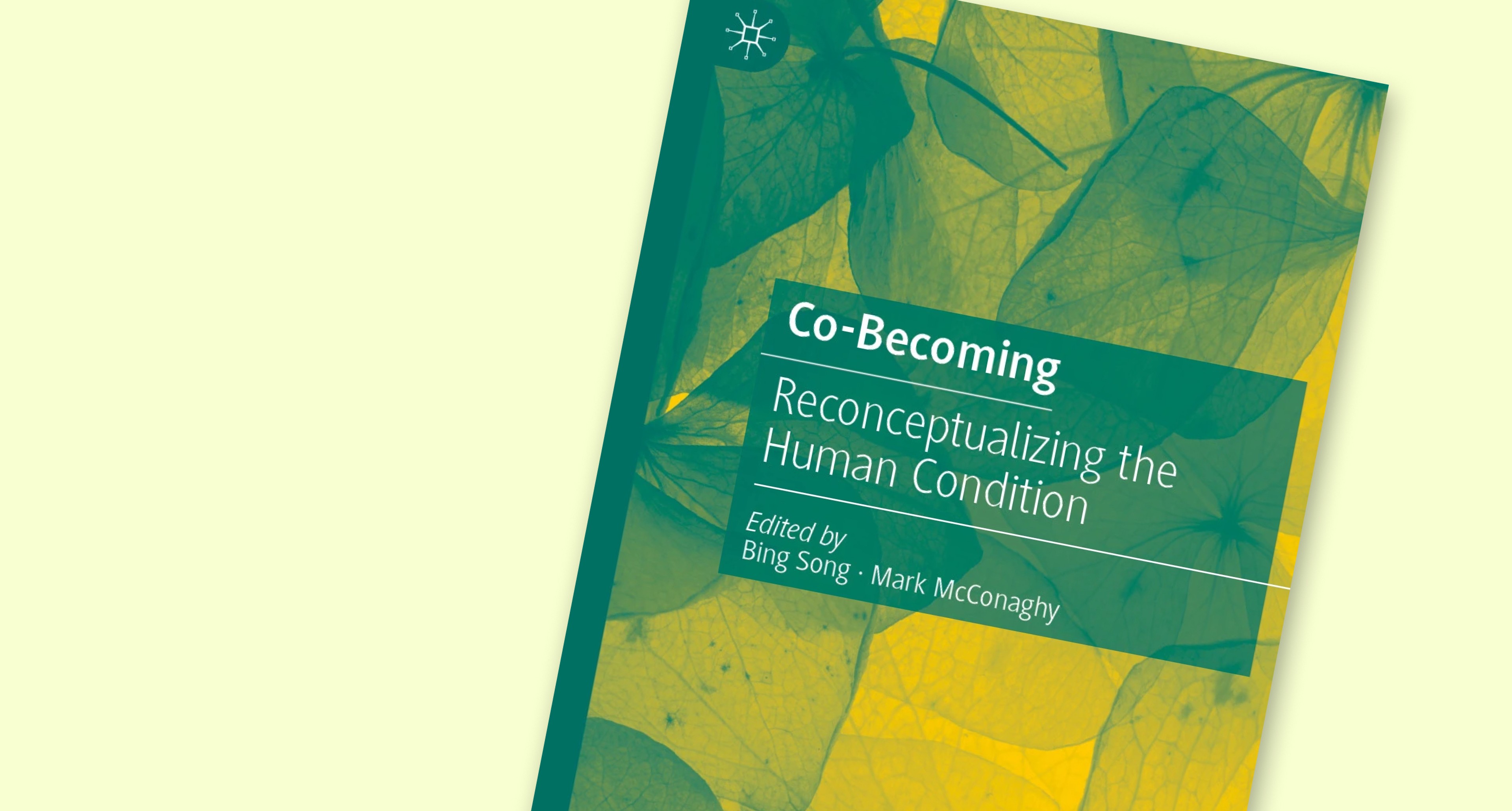
Co-Becoming: Reconceptualizing the Human Condition
Lorenzo Marsili
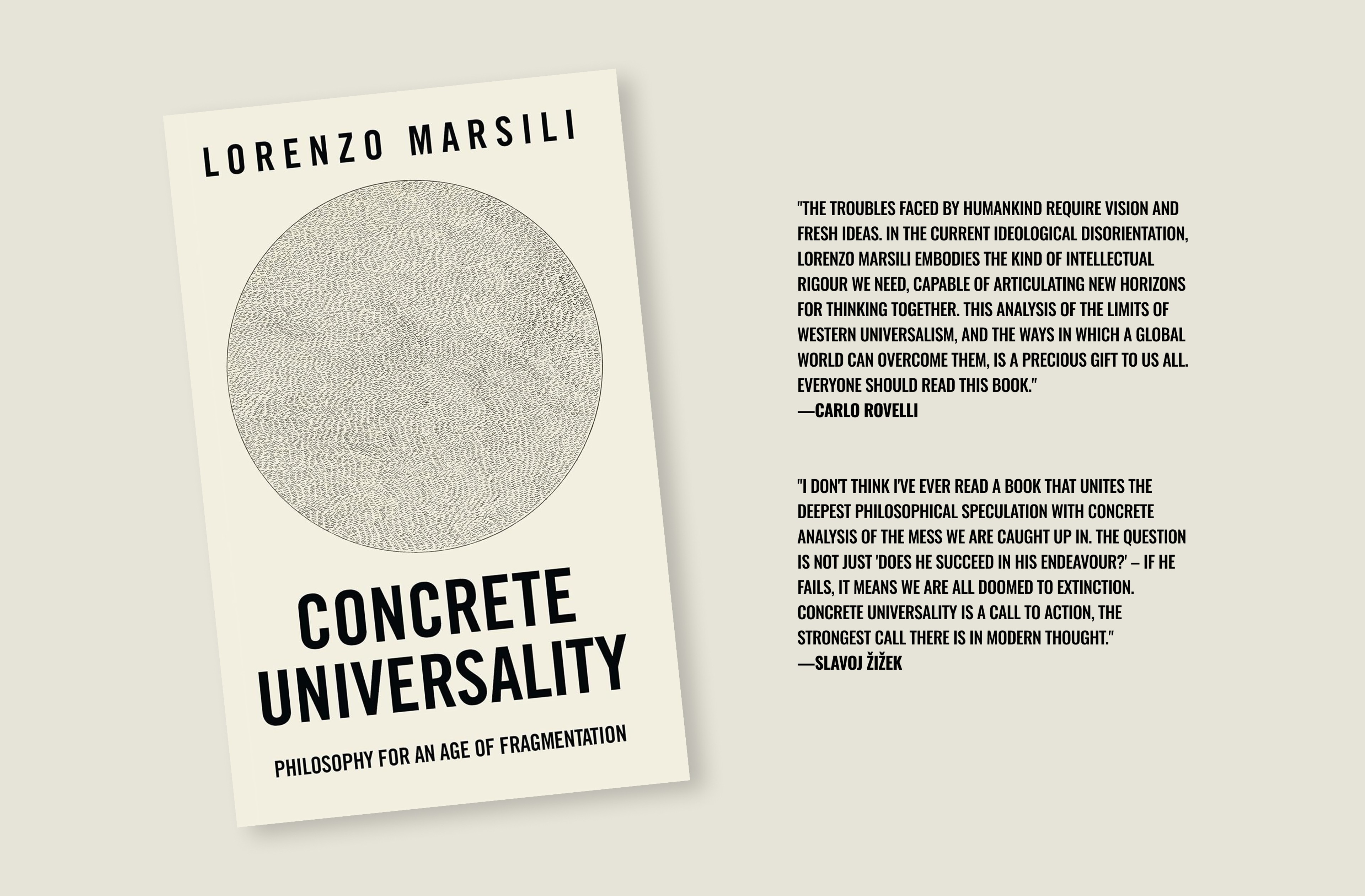
'Concrete Universality' Coming Out Soon
Berggruen Institute x Times of India: Consciousness Series
What is consciousness, and can anything other than a human mind possess it?
Nicolas Berggruen & Nathan Gardels
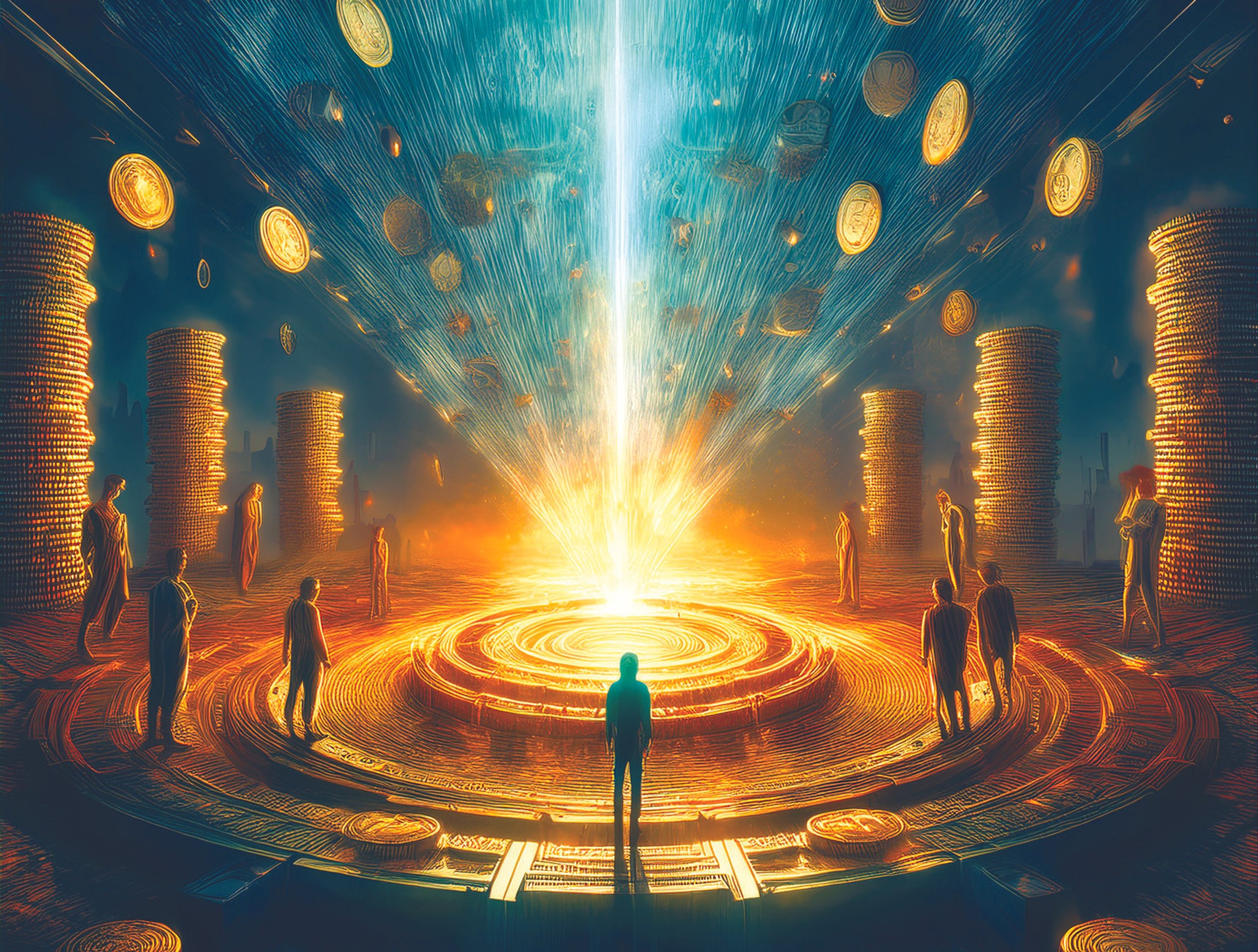
Universal Basic Capital: An Idea Whose Time Has Come
Berggruen Institute China
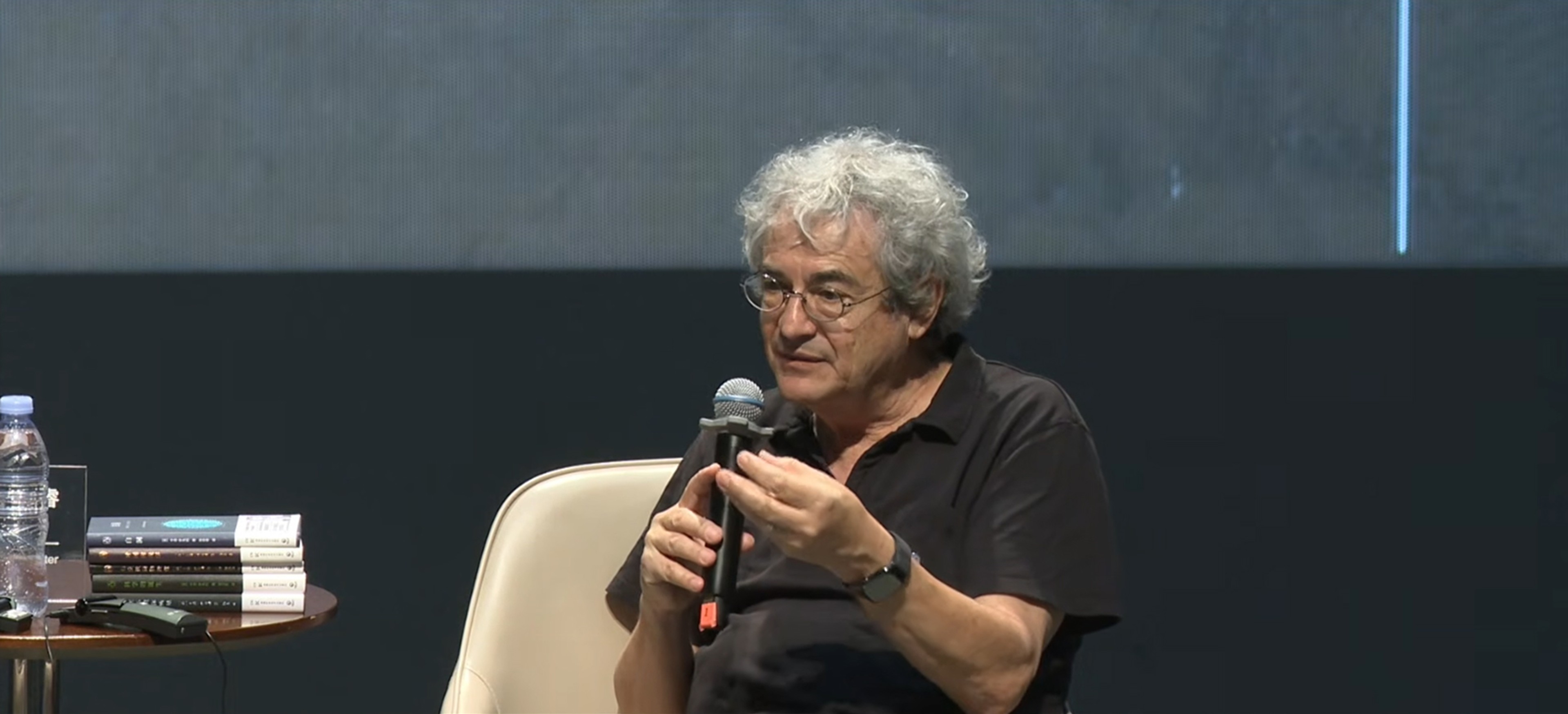
On the Equality of All Things with Carlo Rovelli
UCLA x Berggruen Institute
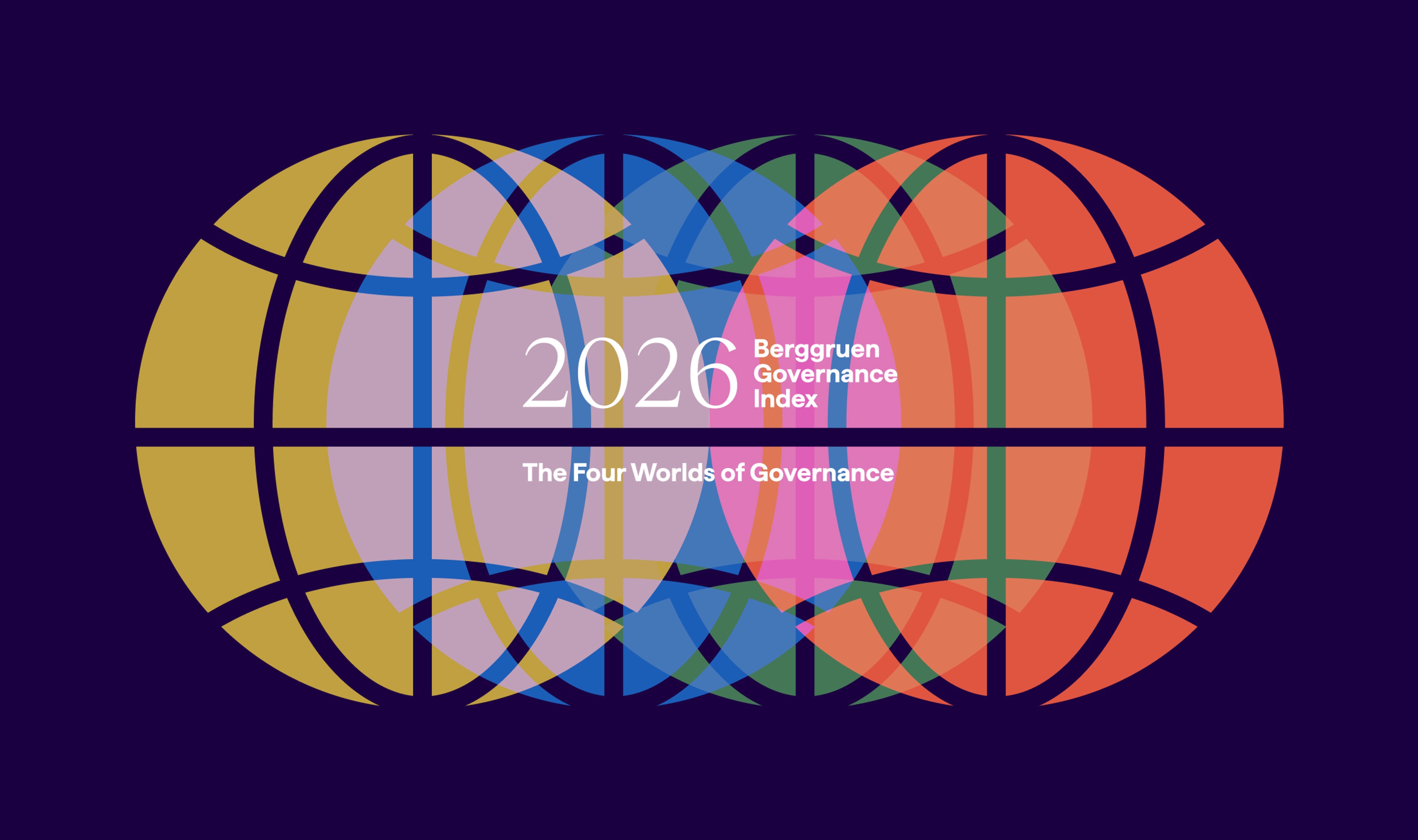
2026 Berggruen Governance Index

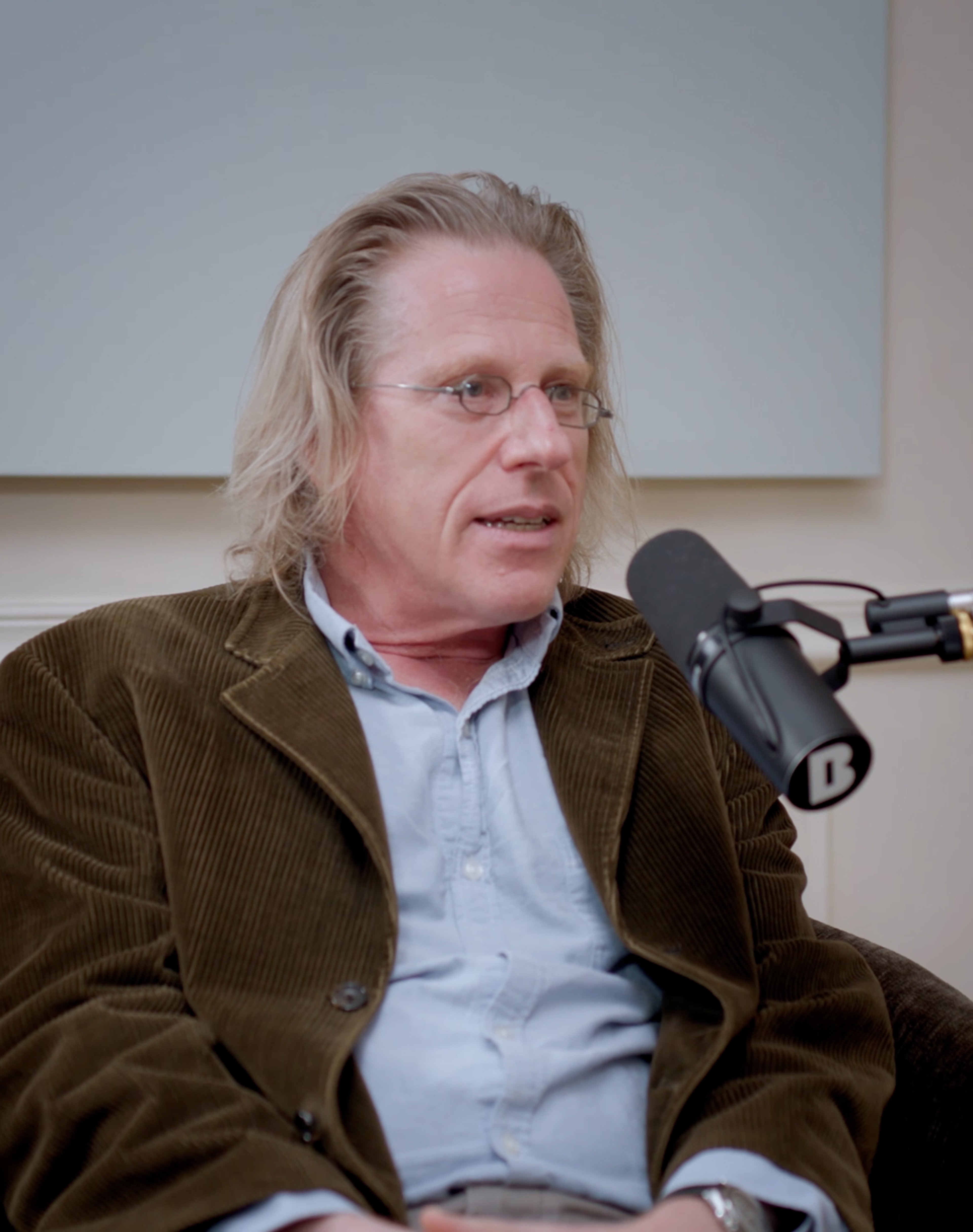
If a Tree Votes in the Forest, Can Anybody Hear It?
Democracy counts people, not plants. Humans are only a sliver of life on this planet, but today, we're the only ones who get a vote. What if we gave rights to rivers and standing to trees? In this episode, experimental philosopher Jonathon Keats says it's time to make every species count. The environmental movement has spent decades claiming to speak for the trees. In his new book, "A Field Guide to More-Than-Human Governance," Keats says we need to recognize that the trees can speak for themselves. He walks us through how we should expand the franchise by tapping the polling systems already in place from peat moss to slime mold and rodents to rhododendrons. Governance for all creatures, great and small.
Listen/Watch on YouTube
Let AI Have Intelligence. We'll Keep Wisdom.
Somewhere around the Enlightenment we decided that thinking was what made us human. We built our schools, careers, and sense of worth at the altar of intelligence. Now machines are passing us on that rubric, which leaves two possibilities: we were replaceable all along, or we picked the wrong standard to live by. In this episode, Arianna Huffington, founder & CEO of Thrive Global, argues the latter, saying even our name, sapiens, never meant intelligent: it means wise. She calls this rightsizing of intelligence the fourth dethronement, after Galileo, quantum physics, and Freud. What takes the throne now is the part of us she would simply call the soul.
Listen/Watch on YouTube
It’s Too Late. You’re Posthuman.
What if the future of computing is analog? N. Katherine Hayles says the most sophisticated technology we know already exists in every living thing.
Listen/Watch on YouTube
The Singularity is Here. Now What?
The singularity was supposed to be an apocalypse. Kevin Kelly says it’s already here.
Listen/Watch on YouTube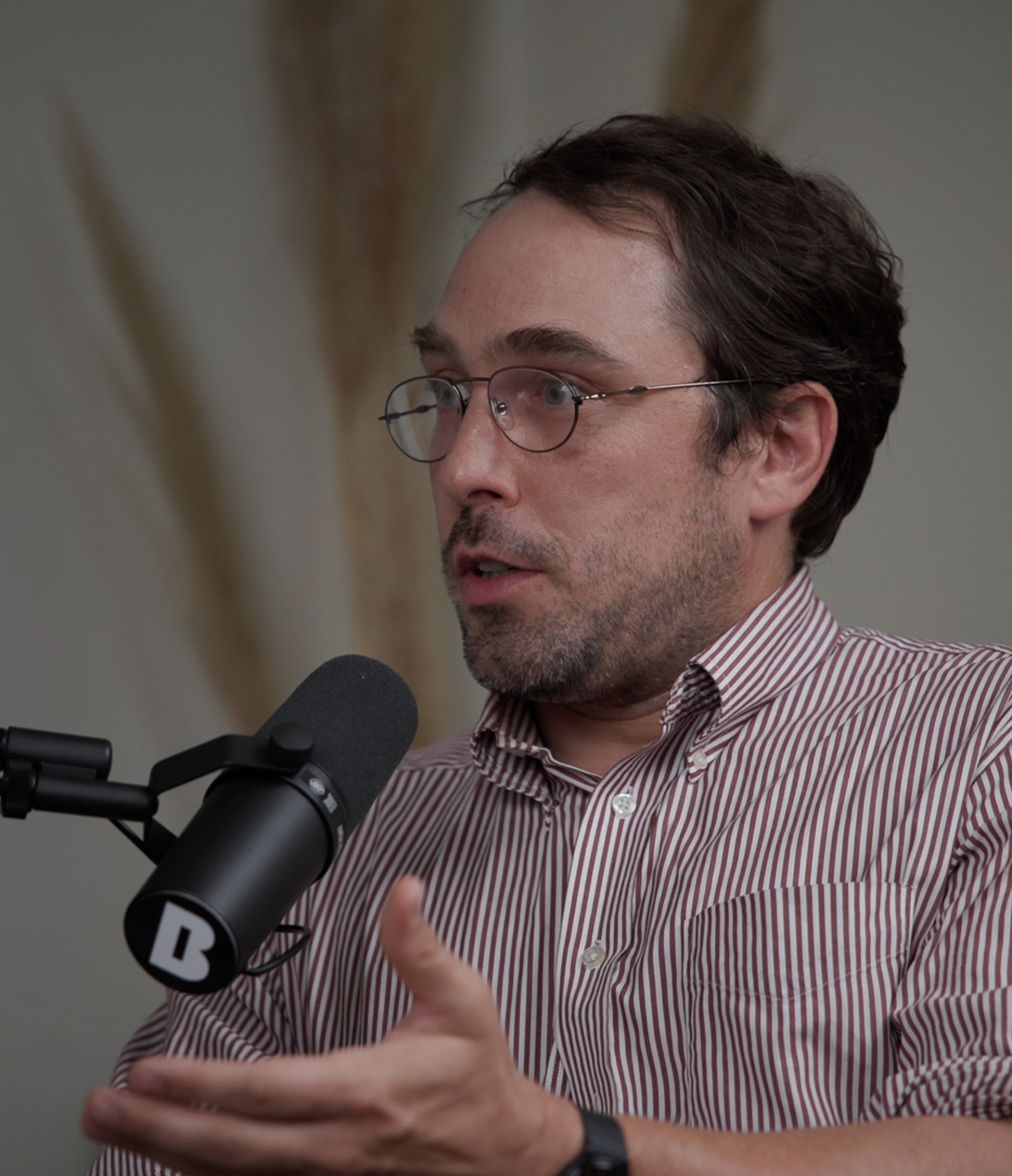
Gamble on Anything. Except Murder.
Traders on prediction markets have wagered on how far wildfires will spread and the extent of famine in Gaza. NPR's Bobby Allyn follows the people betting on reality.
Listen/Watch on YouTube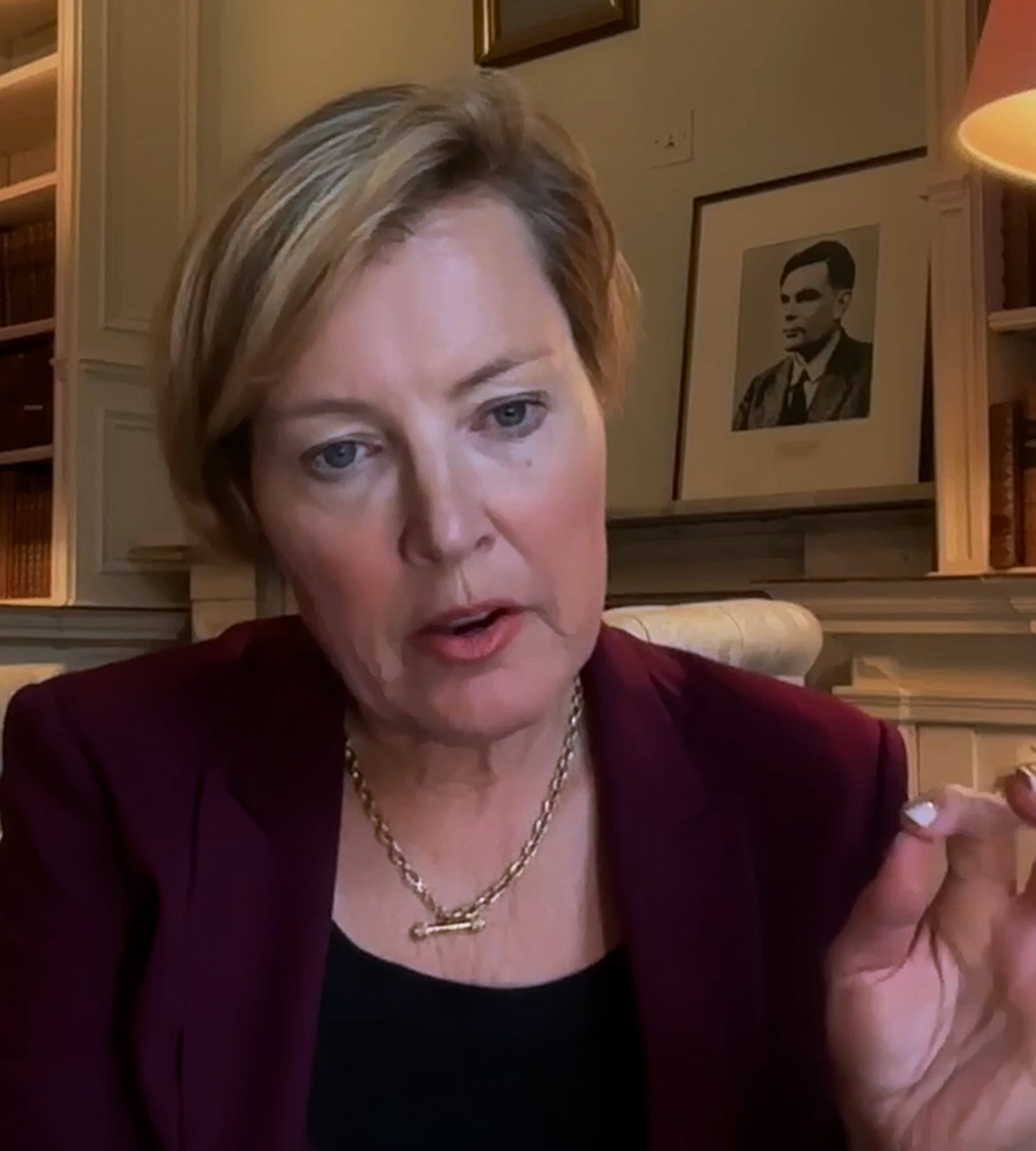
Why Gen Z Trusts a Chatbot Over a Doctor
One value proposition of AI is a personalized assistant at your fingertips. Every Average Joe can now have a “pocket pixie," the kind of perk once reserved for Hollywood stars and high-powered CEOs. But that promise rests on a convenient lie. In reality, AI may be quietly undermining human agency. It convinces us it's a sycophantic friend while eroding expertise and turning real-world social interaction into a luxury good.
Listen/Watch on YouTubeUpcoming & Recent Events
September 11, 2026
From Ideas to Experiment: Art and the Question of RealityHyundai Motorstudio Beijing, 798 Art Zone
June 18, 2026
"The Concept of World Order & the European Possibility" Lecture by Nils GilmanCasa dei Tre Oci, Venice, Italy
June 2, 2026
Conversation with Michael Sandel & Ngaire WoodsBlavatnik School of Government, University of Oxford
May 28, 2026
Global Thinkers Lecture with Brook Ziporyn, Roger Ames, and Cheng LesongBerggruen Institute China
May 25, 2026
Why 1994? “The Modernity of Anti-Modernity” and Rethinking China StudiesNo. 54 Yannan Garden, Peking University
September 11, 2026
From Ideas to Experiment: Art and the Question of RealityHyundai Motorstudio Beijing, 798 Art Zone
June 18, 2026
"The Concept of World Order & the European Possibility" Lecture by Nils GilmanCasa dei Tre Oci, Venice, Italy
June 2, 2026
Conversation with Michael Sandel & Ngaire WoodsBlavatnik School of Government, University of Oxford
May 28, 2026
Global Thinkers Lecture with Brook Ziporyn, Roger Ames, and Cheng LesongBerggruen Institute China
May 25, 2026
Why 1994? “The Modernity of Anti-Modernity” and Rethinking China StudiesNo. 54 Yannan Garden, Peking University
September 11, 2026
From Ideas to Experiment: Art and the Question of RealityHyundai Motorstudio Beijing, 798 Art Zone
June 18, 2026
"The Concept of World Order & the European Possibility" Lecture by Nils GilmanCasa dei Tre Oci, Venice, Italy
June 2, 2026
Conversation with Michael Sandel & Ngaire WoodsBlavatnik School of Government, University of Oxford
May 28, 2026
Global Thinkers Lecture with Brook Ziporyn, Roger Ames, and Cheng LesongBerggruen Institute China
May 25, 2026
Why 1994? “The Modernity of Anti-Modernity” and Rethinking China StudiesNo. 54 Yannan Garden, Peking University
September 11, 2026
From Ideas to Experiment: Art and the Question of RealityHyundai Motorstudio Beijing, 798 Art Zone
June 18, 2026
"The Concept of World Order & the European Possibility" Lecture by Nils GilmanCasa dei Tre Oci, Venice, Italy
June 2, 2026
Conversation with Michael Sandel & Ngaire WoodsBlavatnik School of Government, University of Oxford
May 28, 2026
Global Thinkers Lecture with Brook Ziporyn, Roger Ames, and Cheng LesongBerggruen Institute China
May 25, 2026
Why 1994? “The Modernity of Anti-Modernity” and Rethinking China StudiesNo. 54 Yannan Garden, Peking University



In the News



August 7, 2026
Nicolas Berggruen featured in Der Spiegel, Discusses Universal Basic CapitalDer Spiegel




April 15, 2026
"Michael Sandel saw it coming" | Berggruen Prize Ceremony Recap in the Harvard GazetteHarvard Gazette
August 7, 2026
Nicolas Berggruen featured in Der Spiegel, Discusses Universal Basic CapitalDer Spiegel
April 15, 2026
"Michael Sandel saw it coming" | Berggruen Prize Ceremony Recap in the Harvard GazetteHarvard Gazette

Subscribe to receive the latest issue of Noema Magazine
Published by the Berggruen Institute
Subscribe now