Inaugural Winners of 2024 Berggruen Prize Essay Competition Honored at Casa dei Tre Oci
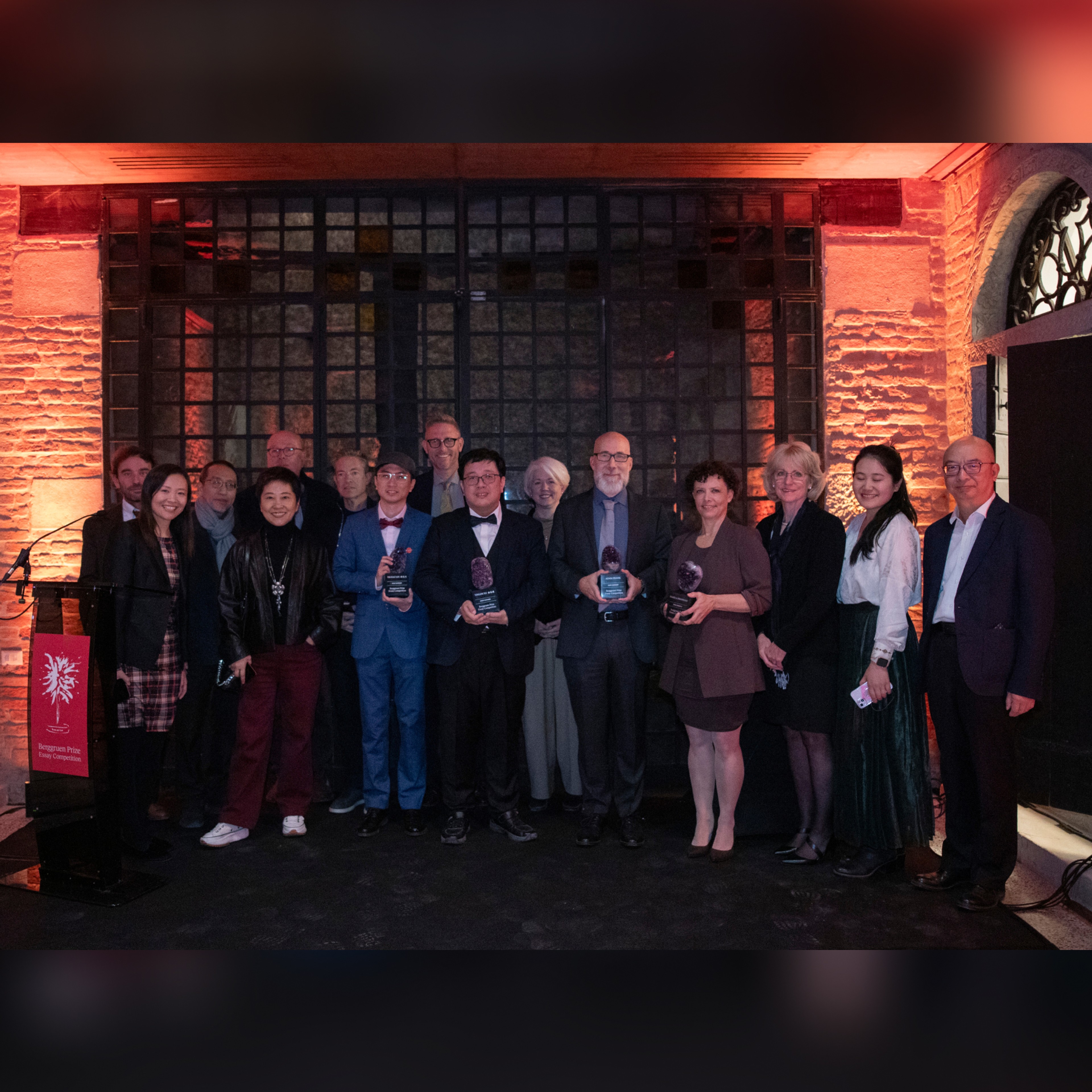
- Date: November 23, 2024
- Location: Venice, Italy
The four winners of the inaugural 2024 Berggruen Prize Essay Competition were honored during a special ceremony this November at Casa dei Tre Oci in Venice, Italy. The competition’s inaugural winners included Adam Frank, Professor of Physics and Astronomy at the University of Rochester; Pamela Swanigan, writer and editor based in Vancouver; Yichao Lin, PhD candidate in philosophy at Sun Yat-sen University; and Yingjin Xu, Professor of Philosophy at Fudan University.
The ceremony took place on the opening day of the Berggruen Institute's Planetary Summit. The reception and private dinner gathered Institute leadership, summit speakers and special guests for an evening of celebration and conversation on the competition's theme, "the Planetary." Berggruen Institute President Dawn Nakagawa hosted the awards ceremony, which recognized two essays in English and two in Chinese for their contributions to planetary thought. All four winners shared excerpts of their essays during their remarks, ranging from astrobiology's reframing of life and planets to a Confucian proposal for digital life at planetary scale.
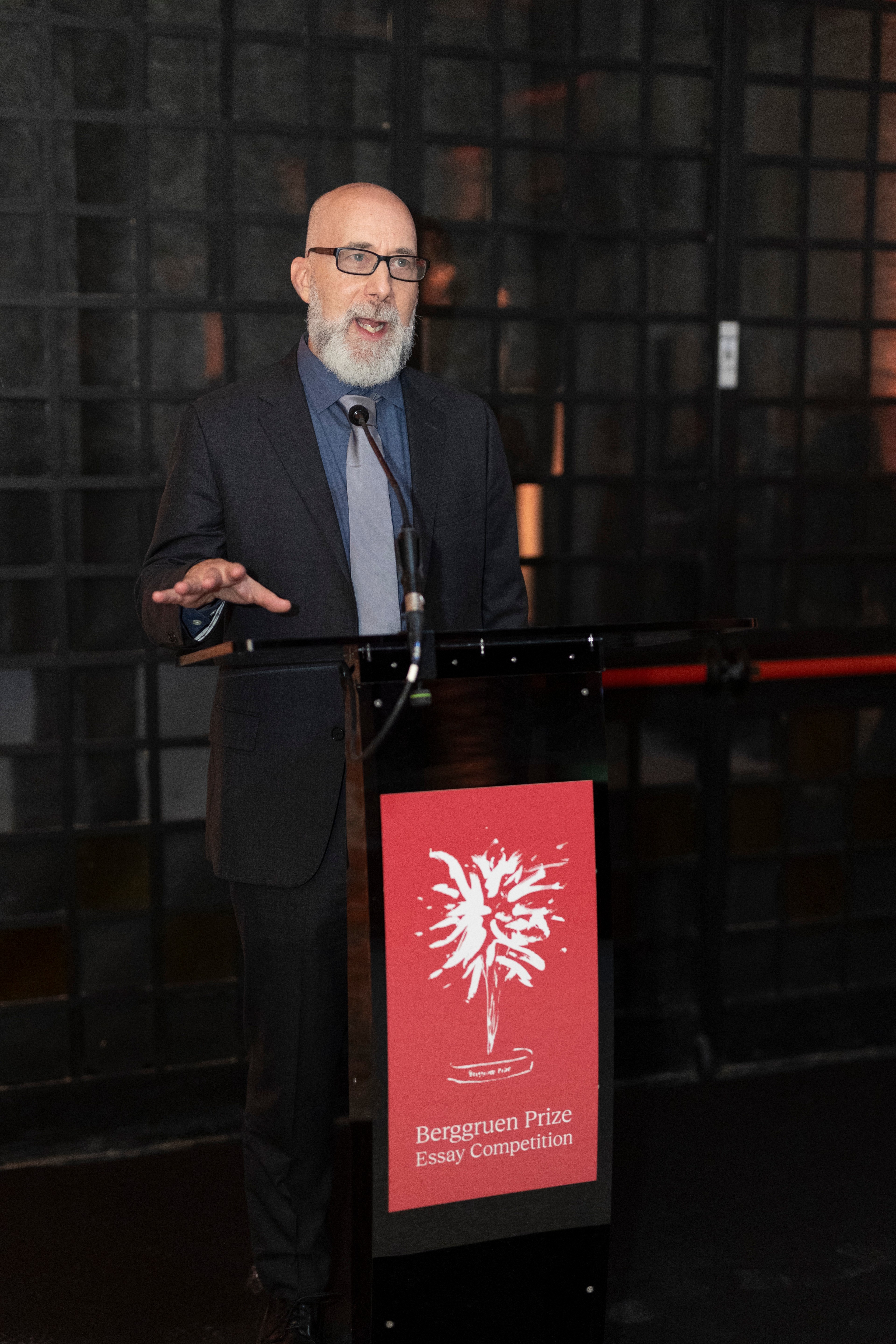
Adam Frank presented ideas from "The Coming Second Copernican Revolution," where he argued that astrobiology is rewiring our understanding of life and planets. Drawing on Vernadsky's biosphere, Lovelock's Gaia theory and Earth system science, Frank described an emerging worldview in which life and its host planet form one interconnected system. He introduced the idea of "planetary intelligence": mature biospheres use information to sustain their own viability over geologic time. Humanity's still-young technosphere, he suggested, must learn to do the same if civilization is to weather the climate crisis. You can read his full essay published in Noema.
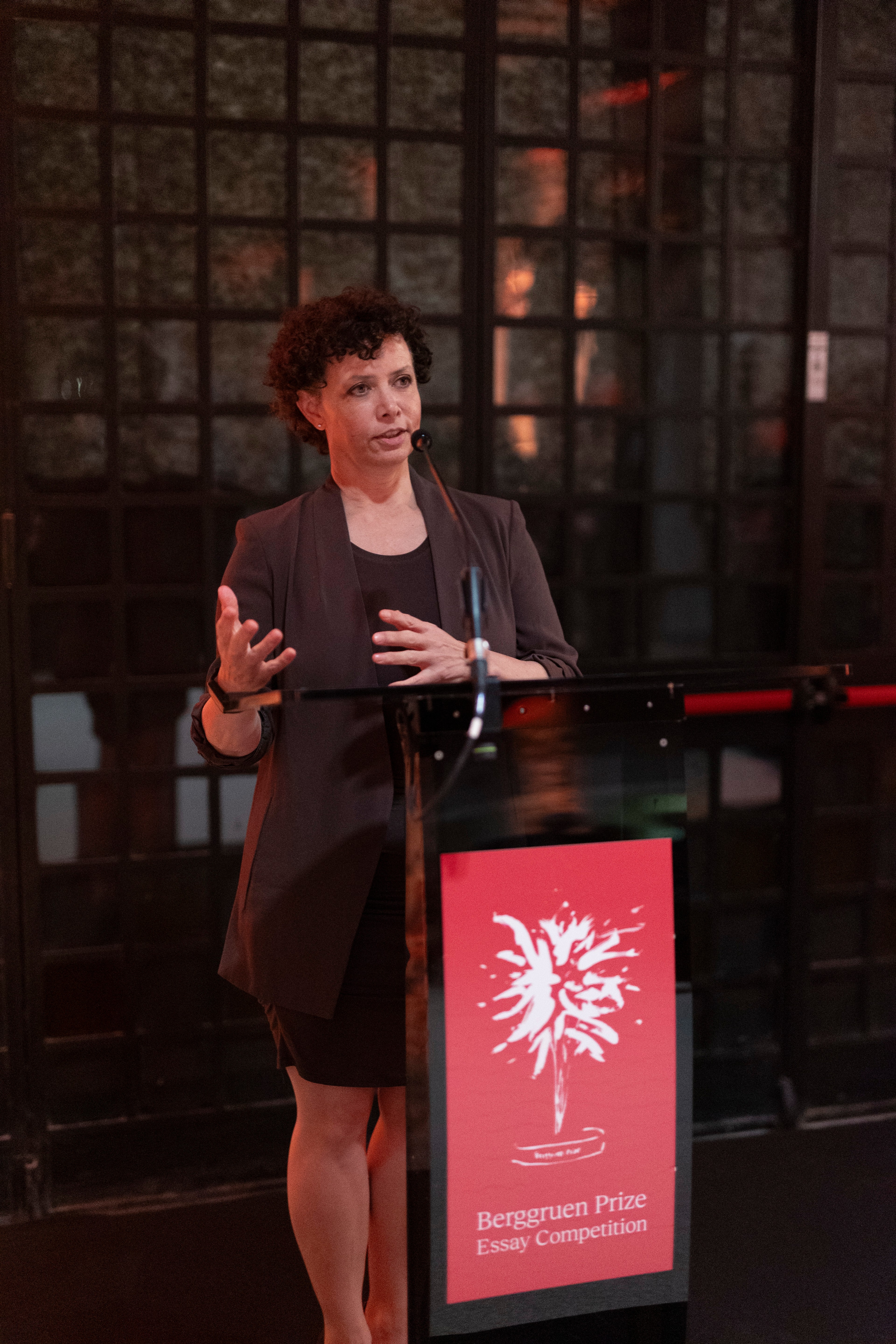
Pamela Swanigan discussed "It's Time To Give Up Hope For A Better Climate & Get Heroic," in which she argues that climate messaging built on hope has failed. In its place, she proposes adopting J.R.R. Tolkien's "long defeat." That means accepting that much of the damage is already done, and what is required is fighting on through selfless courage, heroism and shared storytelling to secure the victories that remain. You can read her full essay published in Noema.
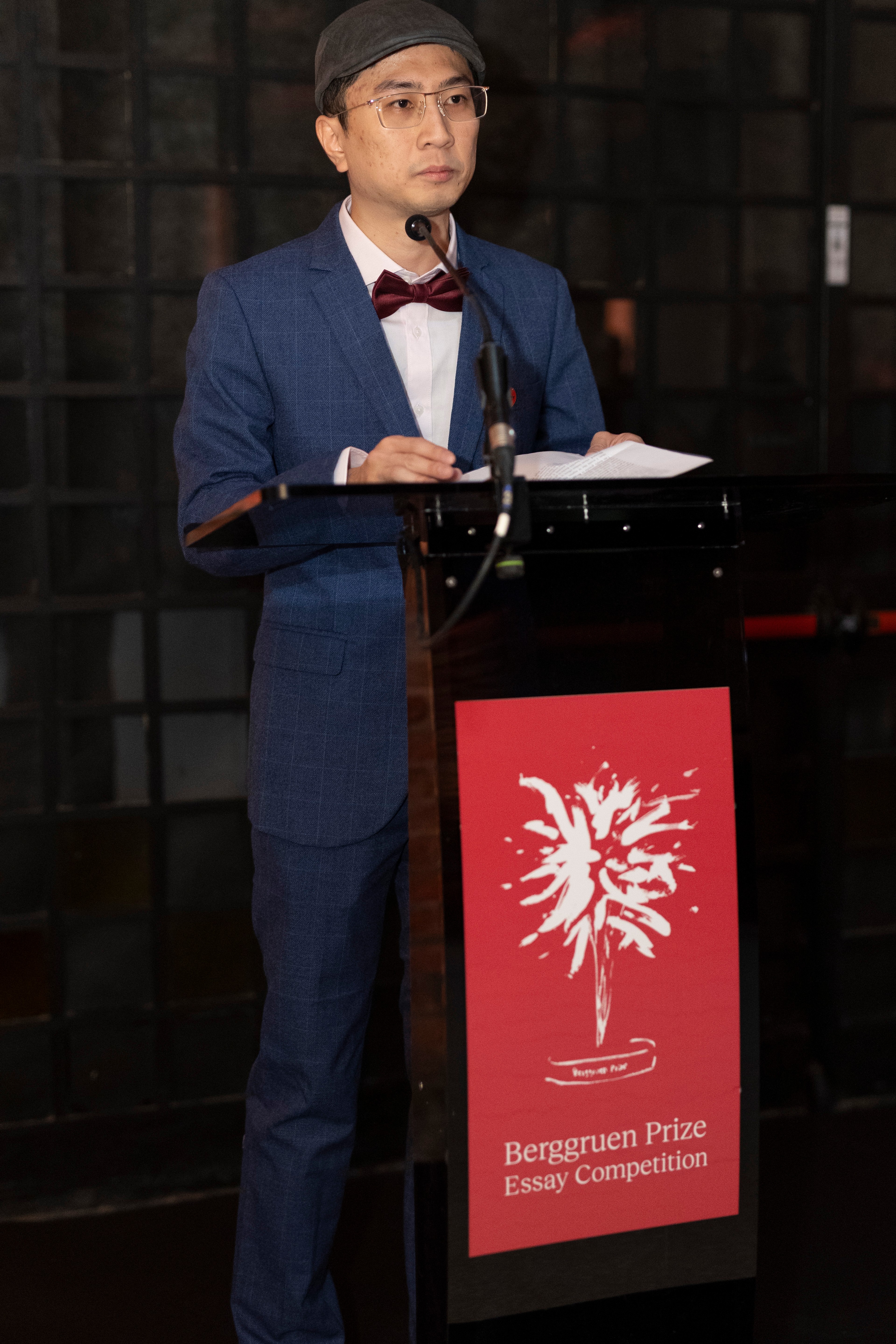
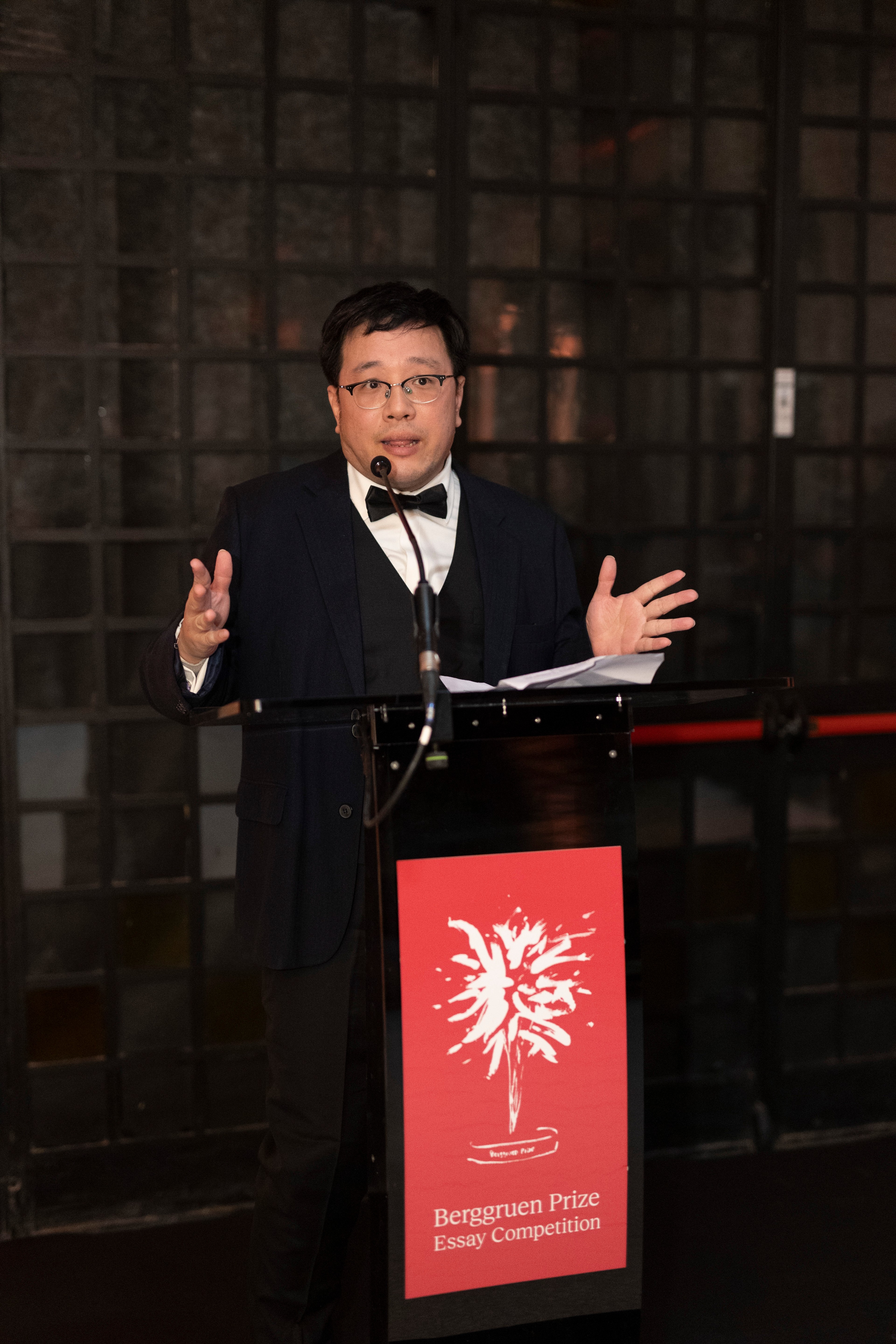
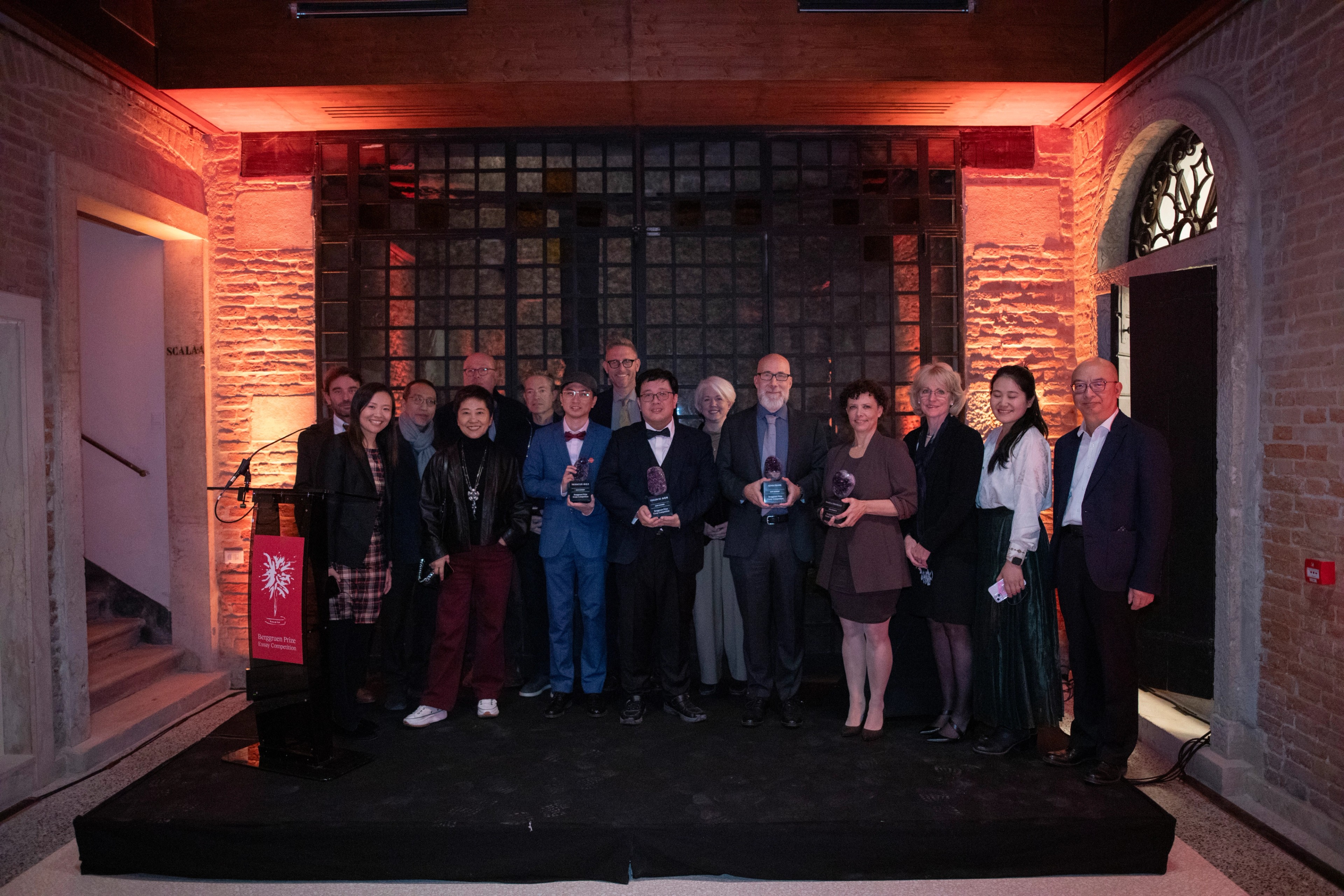
Yichao Lin explained how he used conceptual history and translation history to reexamine planetarity. He traced the Chinese word for "planet" (行星) back to the geocentric notion of the "wandering star," whose assumptions, he argued, the modern concept still carries. Lin proposed that what defines a planet is its fundamental dependence on gravitational systems. Drawing on Carl Schmitt and Liu Cixin, he argued that humanity must loosen its attachment to land and orient itself toward the void of space. You can read his full essay, "Planetary Mechanism and its Conceptual Manifestation" (行星机制及其概念开显), published in Cuiling.
Yingjin Xu presented his "small-dataism" proposal for planetary-scale digital life. He argued that liberal legal approaches to data governance are costly and formalist, and leave the technical basis of big-data power intact. Drawing on Confucian history, from the Zhou-era well-field system to later debates over state economic policy, he proposed a locally bounded model of information that protects community ties and vulnerable groups. At its center is a household robot that processes data on-device and is guided by Confucian virtues. Xu offered it as a safeguard for cultural diversity and a response to aging and family change in East Asia. You can read his full essay, "How to Make Confucianism Digitalized on a Planetary Scale? A Small-Dataism-Based Proposal" (儒家视域中的行星级数字化生活——一种基于小数据主义的解决思路), published in Cuiling.
About The Berggruen Institute
About The Berggruen Institute
About The Berggruen Institute
About The Berggruen Institute
About The Berggruen Institute
About The Berggruen Institute
About The Berggruen Institute
About The Berggruen Institute
About The Berggruen Institute
About The Berggruen Institute
Related

On Human Questions: Consciousness, AI, and the Human Future

Winners of 2025 Berggruen Prize Essay Competition Honored during South by Southwest (SXSW)

2025 Berggruen Prize Essay Competition Winners

2024 博古睿论文奖得主
2024 Berggruen Prize Essay Competition Winners

Berggruen Institute Founder Nicolas Berggruen on the Berggruen Prize Essay Competition