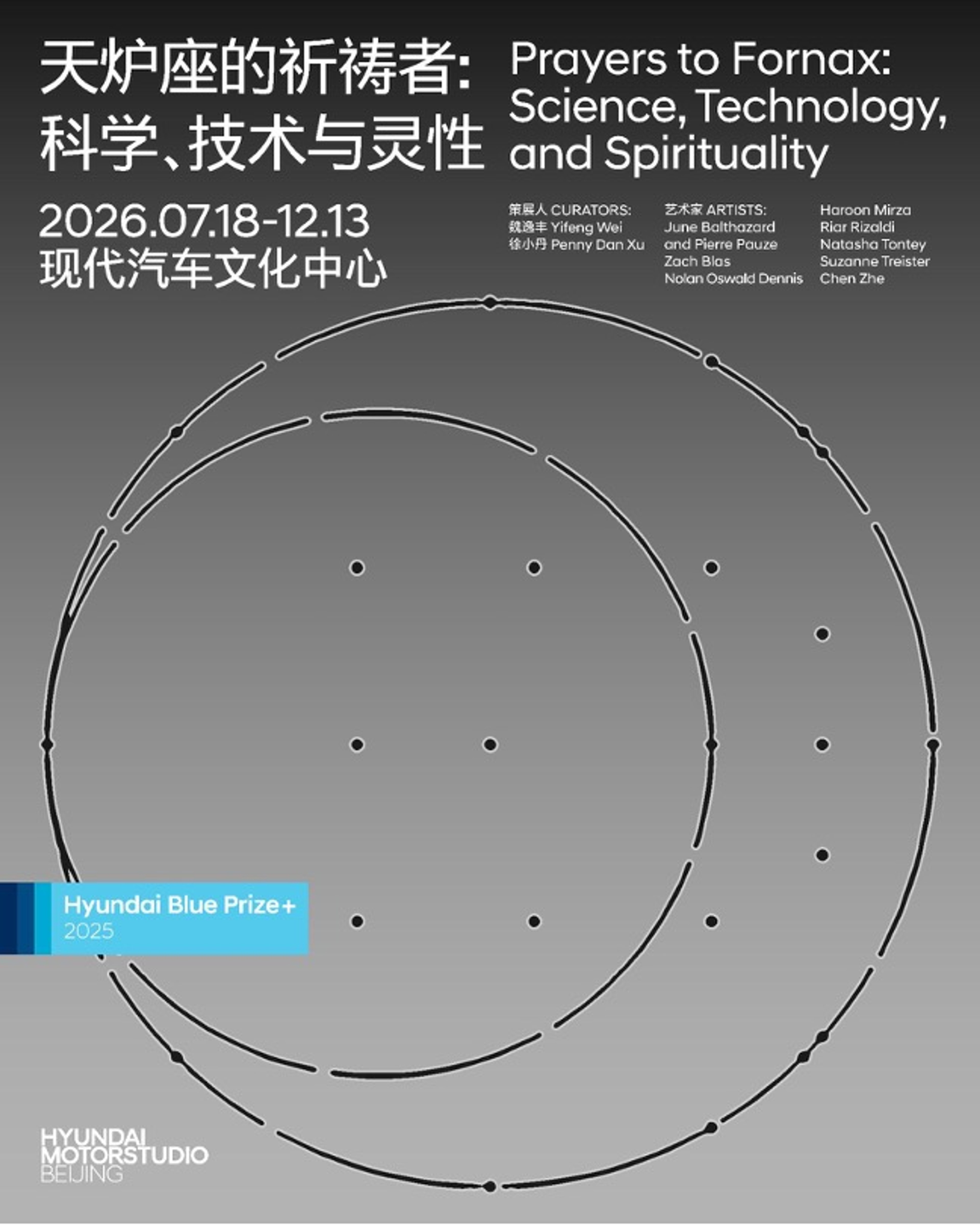
From Ideas to Experiment: Art and the Question of Reality
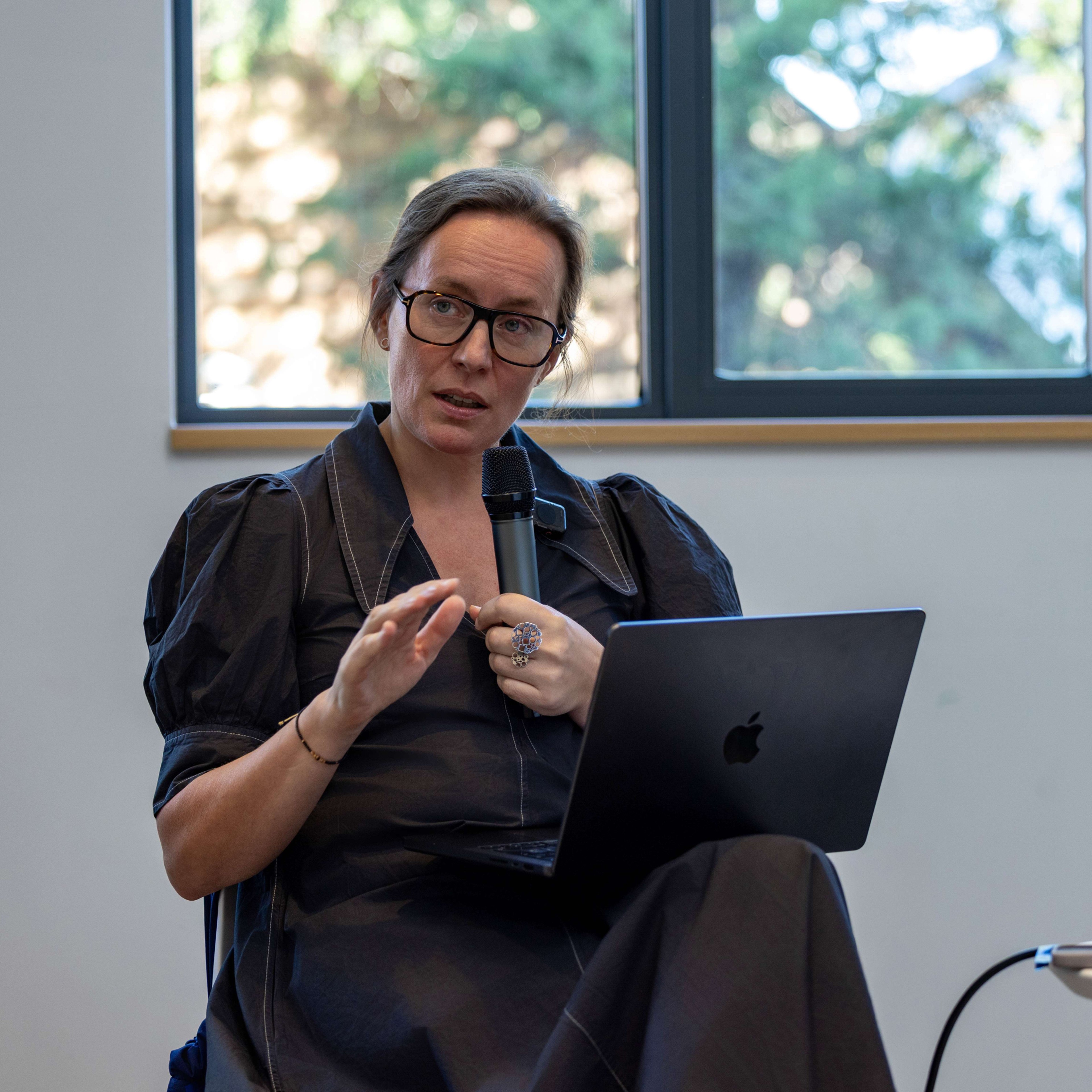
- Date: September 11, 2026
- Location: Hyundai Motorstudio Beijing, E-1, 798 Art Zone, 4 Jiuxianqiao Road, Chaoyang
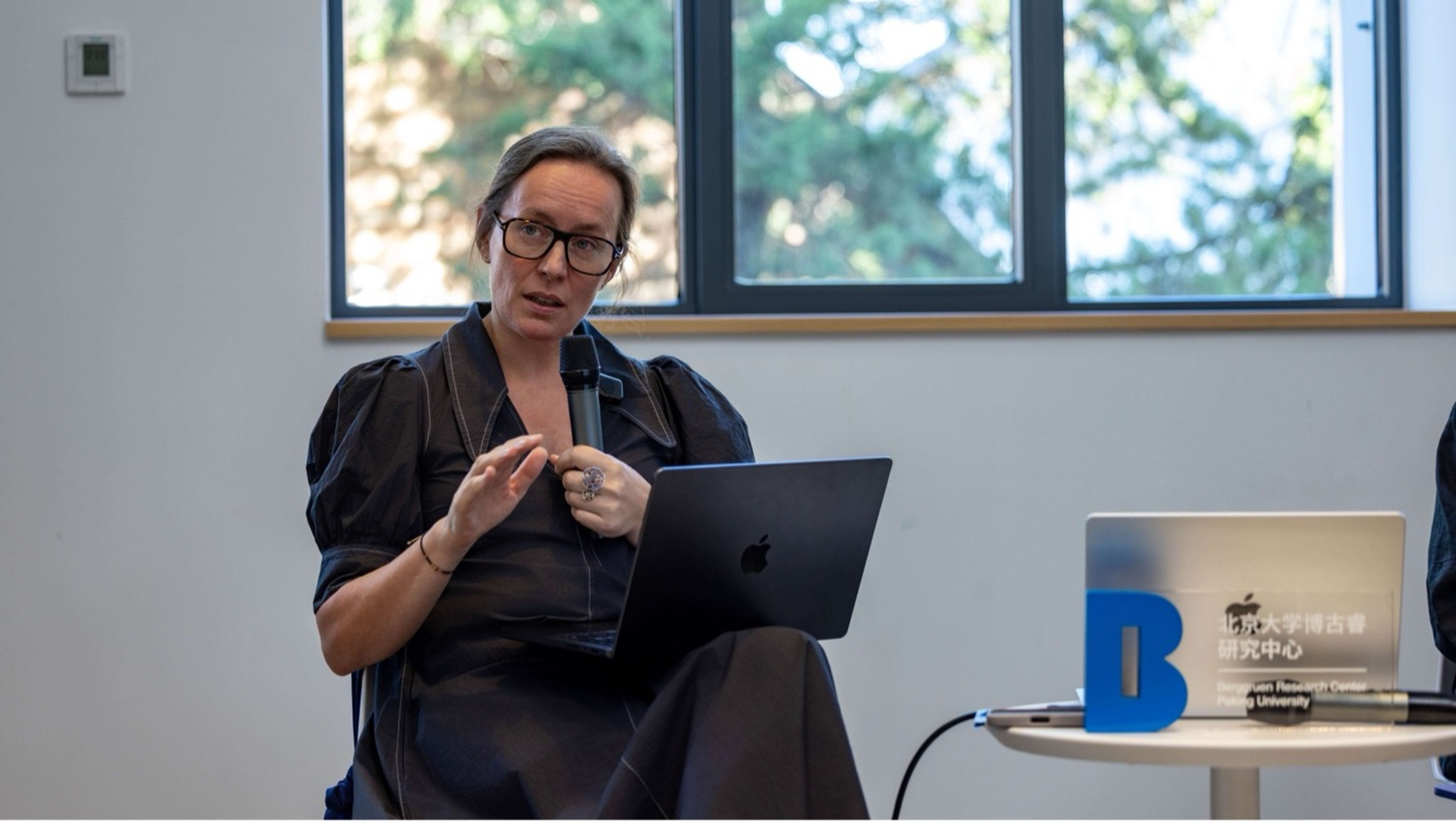
On September 11th, 2026, the Berggruen Institute China Center hosted a lecture by curator and art historian Mónica Bello on the relationship between contemporary art and scientific practice. Bello currently serves as the Director of Platform Dalí. Joining her was LAI Lilli, Associate Professor of Anthropology at the School of Health Humanities at Peking University, who moderated the discussion.
Much of Bello’s work has focused on fostering mutually generative exchange between artists and scientists. In 2023, as Head and Curator of Arts at the European Organization for Nuclear Research (CERN) in Geneva, she oversaw the curation of “Exploring the Unknown”, the opening art exhibition for the CERN Science Gateway (the laboratory’s visiting center). In 2022, she curated the Icelandic Pavilion at the fifty-ninth Biennale di Venezia, featuring a multisensory sculpture by artist Sigurður Guðjónsson. She is currently Director of Platform Dalí, a new program by Fundación Gala-Salvador Dalí created to foster dialogue between art and science.
Science, Art, and Knowledge Production
In her lecture, Bello drew on these experiences at the intersection of art and science to consider how both disciplines engage in and with practices of knowledge production, suggesting that art itself can make a positive contribution to knowledge production rather than merely repackaging the deliverances of science for a popular audience.
“My intention is to understand how the power of theory makes us see and imagine what appears to be there. […] Often we think theory is something that is already with us, here physically, but it’s not,” Bello explained. “I think the tension between imagination, experimentation, and technical work does not belong to science alone, when we consider that authority can come from different perspectives. And this is where the power of art, any discipline, is: we need to understand the theoretical approach to the world together with experimenting, with creating the technical conditions to test the theory. [This] belongs to art as well.”
Bello went on to give examples where the artistic imagination played a role in envisioning and articulating novel theoretical insights in the sciences, beginning with the Spanish Nobel Laureate Santiago Ramón y Ramón y Cajal, one of the founders of modern neuroscience in the early twentieth century. As Bello recounted, Ramón y Cajal originally studied medicine, specializing in histology (the study of tissues). While working as a physician, however, Ramón y Cajal remained preoccupied with research on the brain, testing then-current theoretical knowledge of the nervous system against his firsthand observations as a medical practitioner. He would go to the lab at night, put tissues under microscope, and sketch what he could see. During his life, said Bello, Ramón y Cajal produced more than three thousand drawings revealing the intricate architecture of the nervous system. He eventually demonstrated that the nervous system is made up individual cells, what we now call neurons, rather than a continuous web of a few cells, as many scientists of the time believed. He also showed how information travels from one cell to another, via signals that pass through the cell body and along the axon, a long projection that can connect distant parts of the nervous system. Bello contended that Ramón y Cajal’s sketches from those dark nights in the lab were not merely an exercise in representation, or a tool to illustrate science; on the contrary, they were integral to his experimental practice and played a crucial role in enabling those theoretical breakthroughs.
“Ramón y Cajal’s drawings […] were not popularized;.He was using them to represent a hypothesis and something that he was seeing ‘anomalous in nature,” Bello said. “He made and gave a visible form to structures that had previously remained unseen, revealing not just this invisible form but also the underlying functioning of perception, thought, and the living body. There was something there behind [the superficial architecture of the brain] that needed to be understood.”
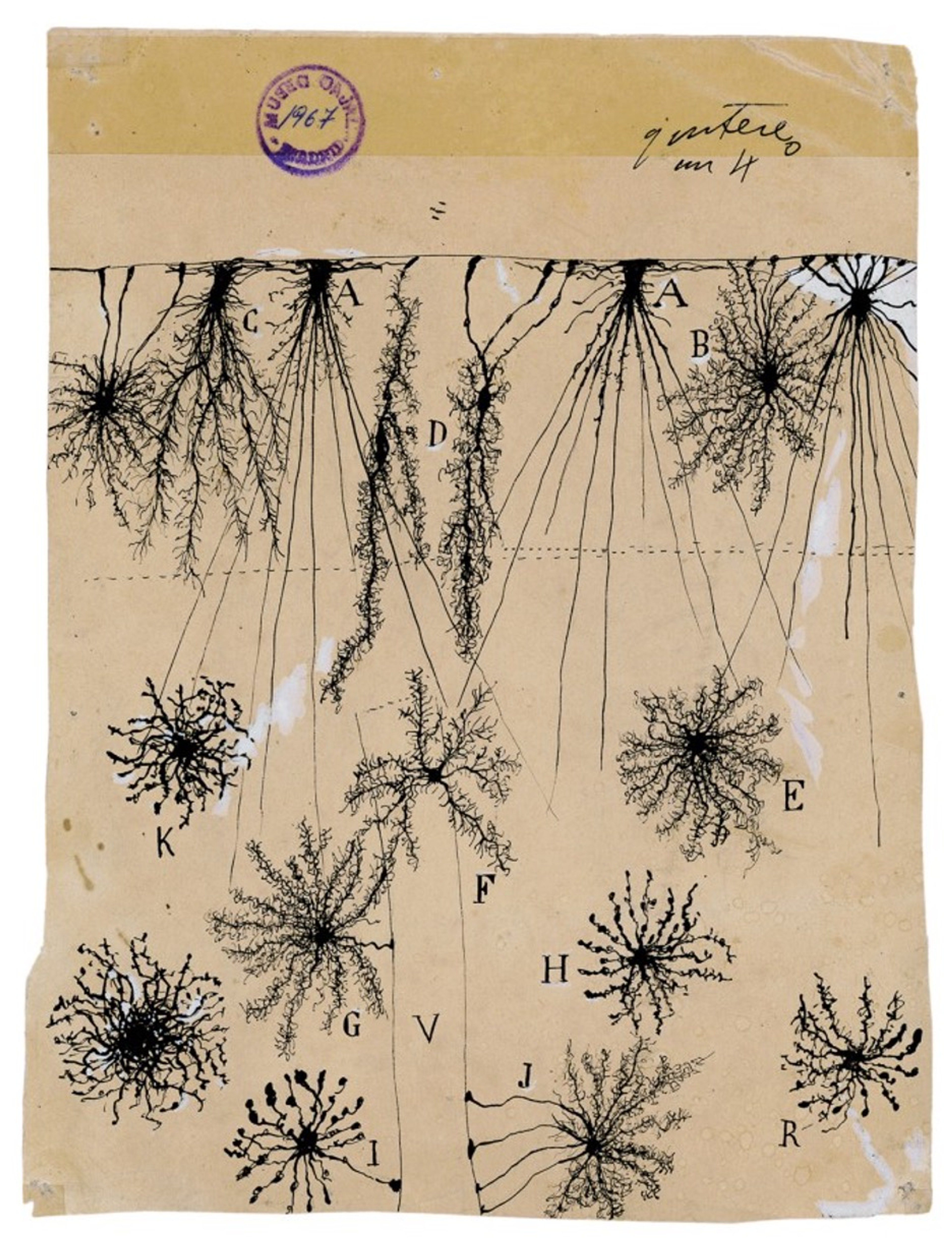
All the same, Ramón y Cajal’s drawings and his approach to research and education proved to have impact beyond the lab. Santiago Ramón y Cajal serves as the first president of its governing boards, helping establish a vision of intellectual life with science, art, and culture closely connected. Founded in Madrid in 1910, the Residencia de Estudiantes became one of Spain’s most influential centers of intellectual and artistic exchange, bringing together scientists, writers, and artists during a period of profound cultural renewal. Inspired by the progressive educational ideals, it fostered an environment in which figures such as the poet Federico García Lorca, artist Salvador Dalí, and filmmaker Luis Buñuel develop their ideas. While a student in the Residencia de Estudiantes in Madrid, between 1922 and 1926, the young Salvador Dalí learned about Ramón y Cajal’s work. During those formative years, said Bello, Dalí began to be curious about what we were seeing through different scientific mechanisms, such as microscopes, that allow us to see further than the normal scale. As such, he was fascinated by Ramón y Cajal’s microscopic drawings and the almost architectural structures of the neurons which they revealed. By the late twenties, motifs of the nervous system and microscopic structures began to enter Dalí’s visual vocabulary, he was increasingly interested in organic forms, bodily fragmentation, and imagery that evokes biological and microscopic structures. His engagement with Freud was also developing during this period, particularly around dreams, desire and the unconscious. Also, Dalí joined the Surrealist movement in Paris in 1929, only a few years later to leave Madrid
“He was impressed by the way the reality we perceive might conceal other realities, and these realities are beneath a surface that needs to be pulled up and seen. So, the microscope, like a dream, like the sea—which was an influence for him—like symbols of any kind, could become an instrument for reaching what ordinary vision couldn’t see,” Bello said. “What Dalí got [from Ramón y Cajal’s drawings] was the evidence that beneath this apparently continuous surface of the body, there is an extraordinary and largely invisible architecture. So, if Dalí finds in Ramón y Cajal’s images a confirmation of his own symbolic intuition, […] it was perhaps accompanied by this certainty: the certainty that the invisible, whether dreams or living forms or matters, sustains the invisible world.”
About “Real”
Bello’s next example of the dialogue between science and artistic imagination was the relationship between Nobel Laureate Wolfgang Pauli, who formulated in 1925 the “exclusion principle”, one of the fundamental principles of quantum mechanics, and the psychiatrist Carl Justav Jung. Both maintained an intense intellectual dialogue over two decades. Meeting originally as patient and doctor, the two scientists discussed their research together along with Pauli’s dreams and came to think that they could put together their respective inquiries and find convergence between them. Just as Jungian psychoanalysis sought to probe into deeper, subconscious levels of the mind, quantum mechanics challenged classical descriptions of reality by theorizing about deeper, subatomic levels of the physical world. Jung recorded Pauli’s recurring dream of a “world clock” where different circles and lines moved in complex, independent, yet synchronized cycles, which reflected the same sorts of patterns and correspondences that Pauli was finding in nature. While Jung interpreted the dream as an image of the self, for Pauli himself, Bello said, the image also suggested the possibility that mathematical structures, physical laws, and mental processes might somehow correspond to a deeper underlying order to these seemingly distinct domains. Though they did not transform physics, Bello suggested that these reflections of theirs crystallized in the enduring question of what is real.
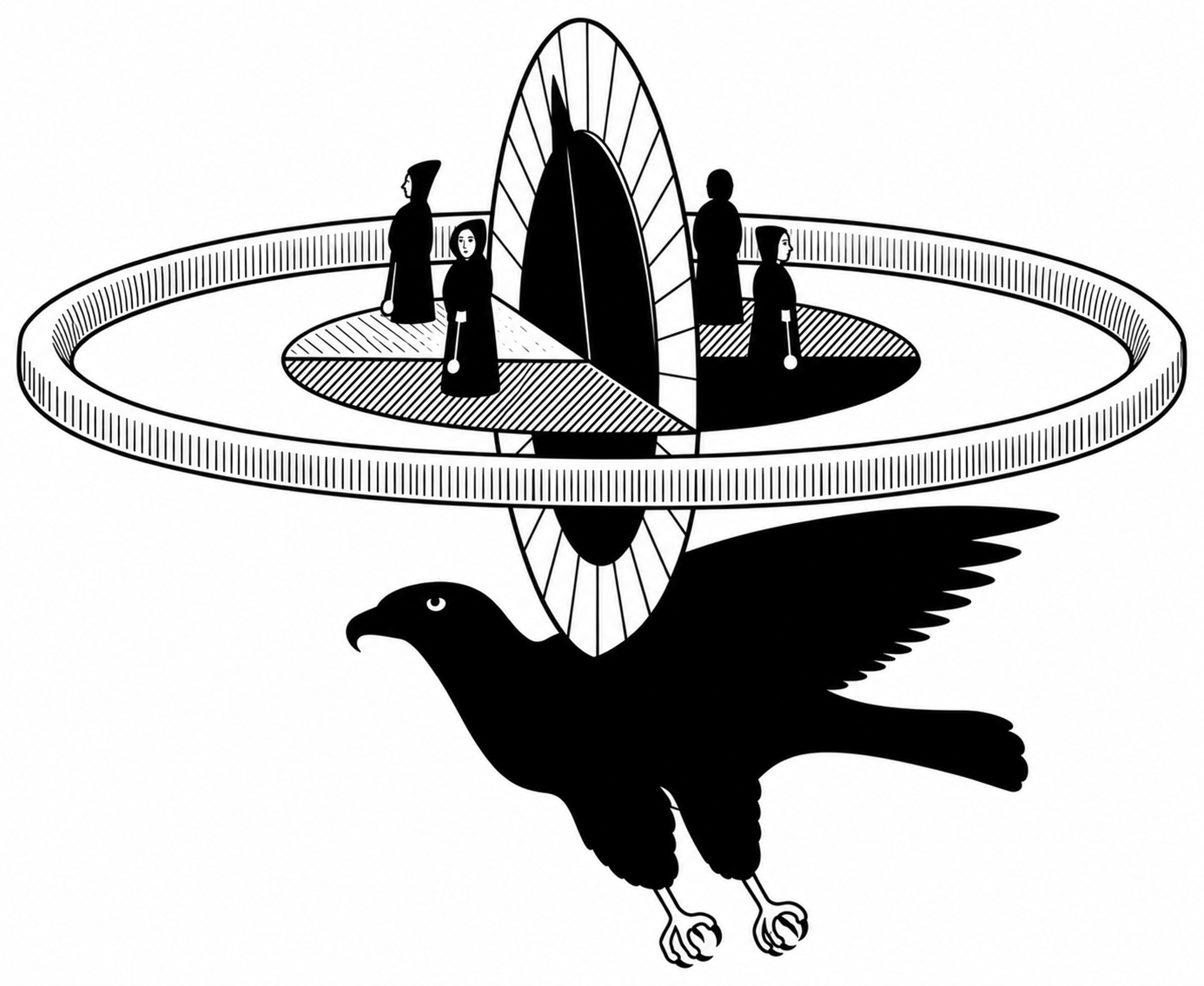
“They converged in their understanding of knowledge acquisition as a process that involved not only the accumulation of empirical observations or measurements, but also intuition, images, symbols, the imaginative capacities of the mind, which they saw as essential in the formation of ideas,” Bello explained. “Their collaboration thus suggested a provocative parallelism: if our understanding of matter had become increasingly relational, could something similar be said of the mind?”
According to Bello, Suzanne Treister’s artistic thinking has been deeply informed by the intellectual exchange between Jung and Pauli, particularly their exploration of the relationship between the physical and the psychic. This connection provides a compelling point of departure for considering the work of Treister, an artist with whom Bello has previously collaborated. Treister’s practice starts with a similar question: what is the role of imagination and symbols and fictions in display of understanding the how we learn, how we form ideas of the world, and how we build this mental map of the world? During Bello’s tenure at CERN, Treister visited to meet with fourteen scientists and engineers. She asked them to imagine the future, and how the technologies with which they were working might transform it. Inspired by Jung’s sketches of Pauli’s dreams, Treister worked with her interlocutors to produce a mental map with such things as diagrams, dates, numbers, locations—in short, all the ingredients to create a story. She then invited them to write a science fiction story based on the mental map. In this way, they could make those broad questions about imagination in science and scientific responsibility concrete through the vehicle of fiction.
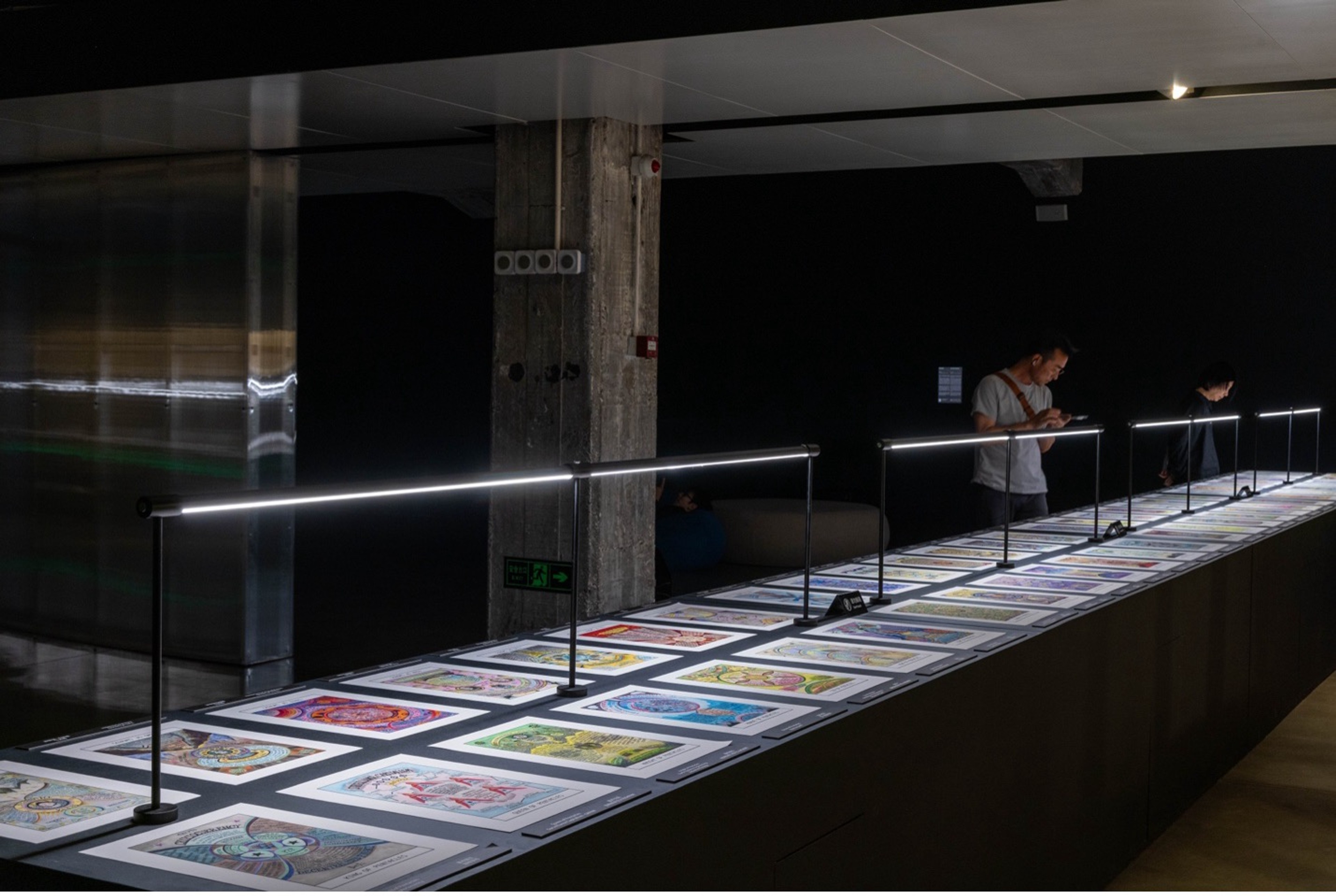
“Suzanne expresses how fiction becomes a method of inquiry,” Bello remarked. “What stays with us is the urge to […] try to build what is underneath our questions, or the world, the reality we are seeing.”
The Gravitational-Wave and the Changing Reality
Bello’s final example was the work of artist Lea Possager, which draws on recent advances in deep-space imaging. Commissioned in 2017 to create the Swedish national memorial for those who lost their lives to the 2006 Indian Ocean Tsunami, Possager looked to the Laser Interferometer Gravitational-Wave Observatory (LIGO). LIGO detects gravitational ripples in spacetime, treating them as a way for objects to merge together. According to Bello, Possager took this as a way to represent a cataclysm while creating a space in which the forces and laws of nature themselves may remind us that we live in a transitional time. The gravitational ripples detected by LIGO were first theorized by Einstein in 1916, but not experimentally verified and translated into an image until 2016. In the memorial, entitled “Gravitational Ripples”, Possager translated this image, further, into an earthwork formed by two large spiraling banks of soil. These form a web of pathways that leads both outwards and inwards towards the center, where there stand two bronze sculptures of celestial bodies in orbit. The visitor can enter the site, walk through it, and become part of the spatial structure, just as a cosmic event produces a disturbance that continues to travel through spacetime.
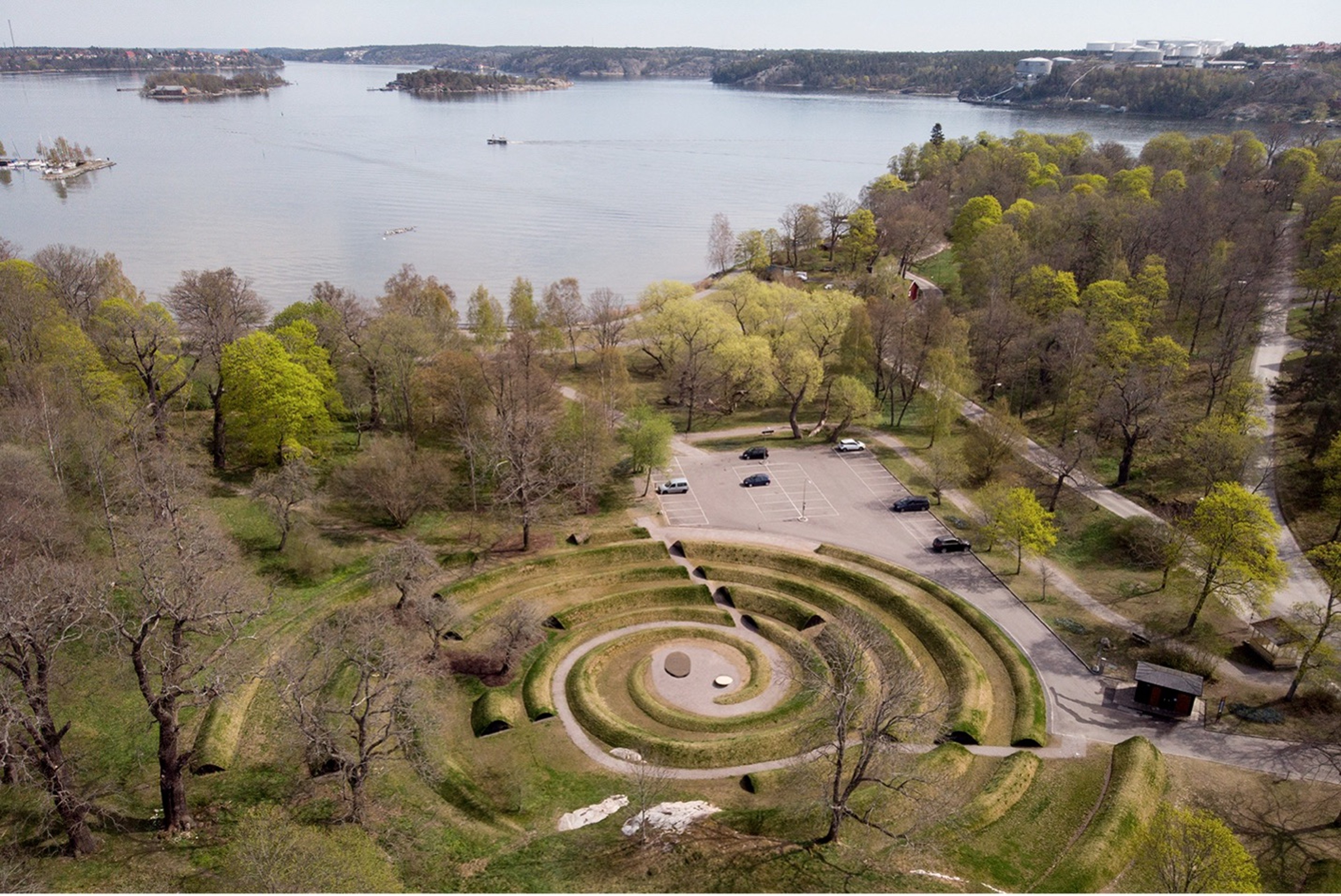
“The materiality of the memorial reinforces this idea,” Bello explained. “Since the work is exposed to weather, to growth, to erosion […] it is never entirely fixed. It remains in passage, in transition, continually transformed by the processes taking place around and within it.”
Imagination, Ideas, Tools, and Communication
To close off her lecture, Bello posed questions for further reflection to the audience.
“I invite you to think [about] not only how we imagine, but how we can sustain what we are imagining, how we can sustain this, with attention, with the forms that we have around to understand the world,” she said. “And how much time, as well, are we willing to devote to an idea, before it becomes a scientific proof, evidence, theory, or a tool for social change, transformation of our collectiveness, for instance, or a work of art, relational work of art?”
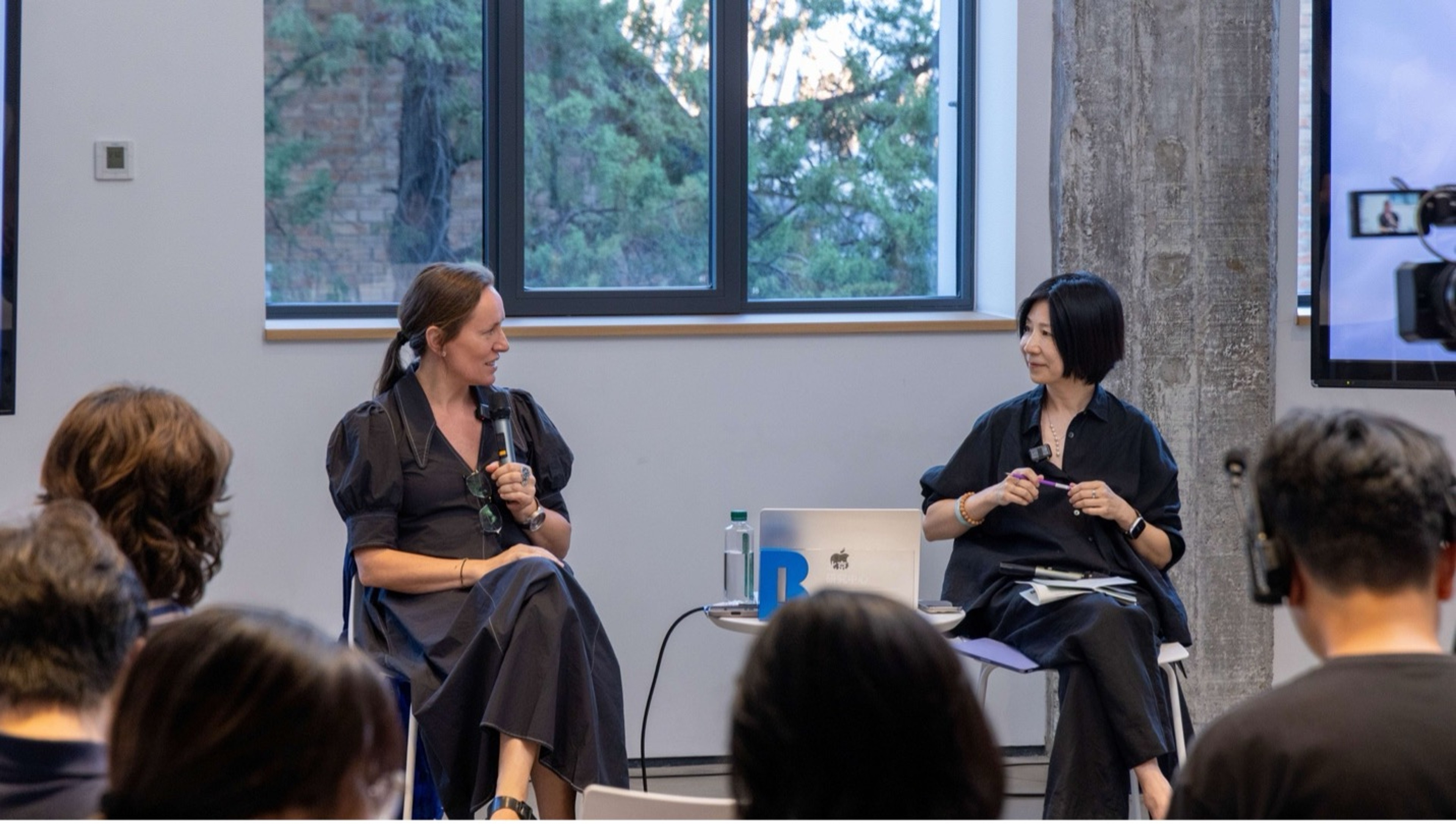
During the Q&A session, one audience member followed up on this invitation to ask Lai and Bello how the roles or responsibilities of a curator or researcher differ from those of an artist or scientist in exploring and communicating the topics raised throughout the discussion. Lai shared that she feels her responsibility as a researcher in medical anthropology is to talk to both sides, doing cultural translation between laypeople and scientists, patients and doctors.
“Instead of just trying to make an advance, [scientists] also need to think about what this achievement means to people, to patients. And also, on the patient side, maybe you need [to consider] how you better understand this advanced technology. Instead of only thinking it brings you only benefits, also recognize it also can be harmful,” Lai remarked. “I feel my responsibility is kind of working as a bridge, to work together with the scientists.”
For her part, Bello suggested that curators often navigate two distinct dimensions of their practice: one concerned with management and the organizational demands of curatorial work, and the other devoted to engaging with artists, ideas, and theory. Balancing these dimensions can sometimes feel contradictory, yet it is precisely this dual position that makes curatorial practice both challenging and productive. To foster meaningful collaborations between artists and scientists, she described her approach as “preparing the terrain” by first familiarizing herself with the scientists’ research, creating the conditions for a productive exchange “I think you need to be very knowledgeable and understand that science is a very complex system, and that you are trying to bring [in] artists that, at some point, […] might not do what the scientists want,” Bello said. “Because for scientists, often art is seen as fast-forward knowledge, […] but art needs the same process, this reasoning [through] which you slowly get there.”
Another audience member asked Bello what art can still do for translating between art and science, in an age when science itself has advanced so far in revealing the nature of our physical reality. In response, Bello questioned the assumption that either artists or scientists need to be revolutionary and extraordinary to contribute something worthwhile to human life and to each other.
“I think art and science are very powerful for other reasons, not [just] because of the reason of progress, or revolutionary ideas and radical ideas,” Bello said. “I think artists have a place among everyone.”
—
Drafted by Berggruen Intern Jonah Dunch
Edited by Mónica Bello and Xiaojiao Li
About the Speaker
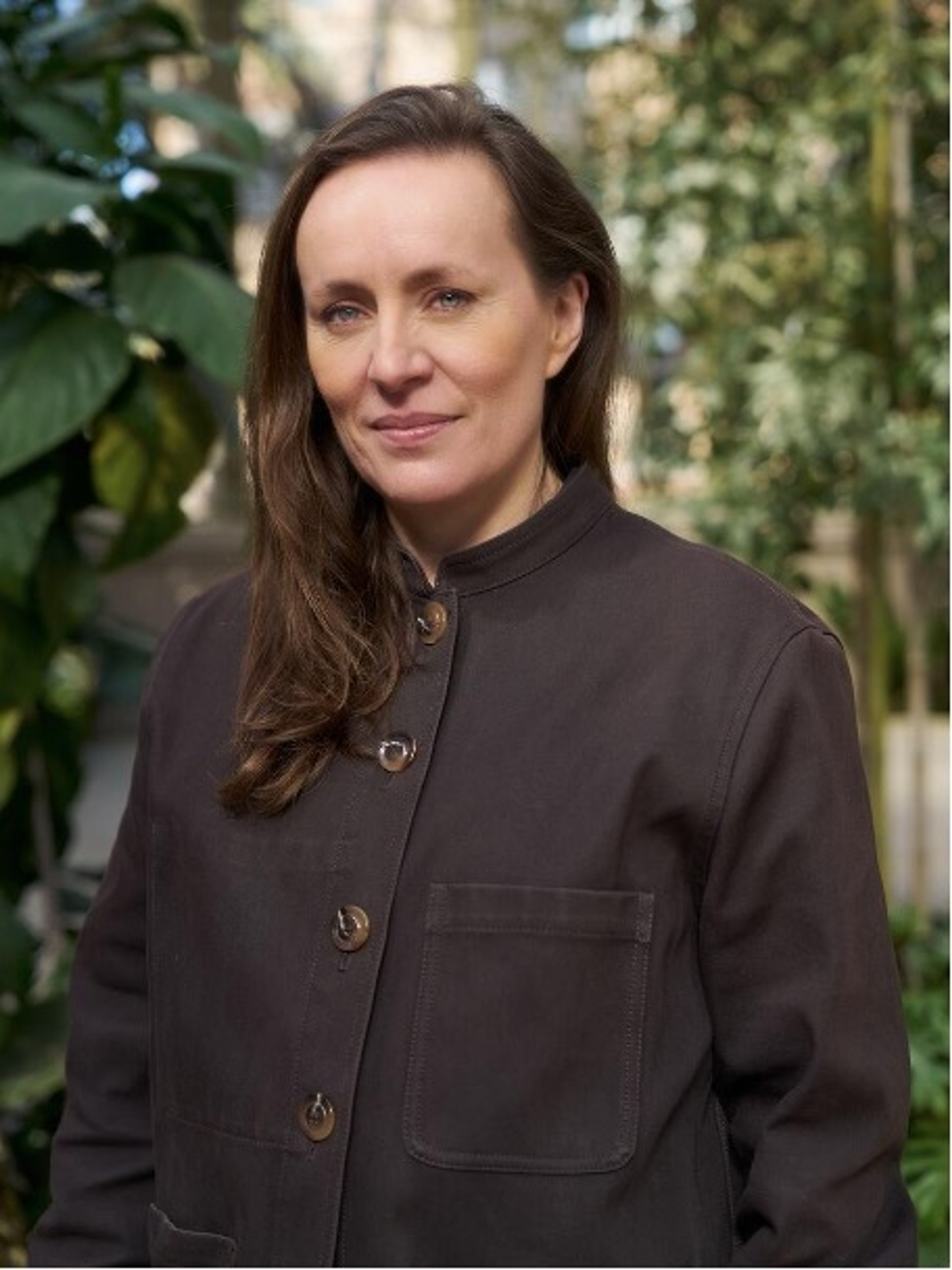
Mónica Bello
Art Historian, Curator
Mónica Bello is the Director of Platform Dalí, a new programme by Fundación Gala-Salvador Dalí created to foster dialogue between art and science. Formerly, she was Head and Curator of Arts at CERN at the European Organization for Nuclear Research in Geneva, leading and supervising the laboratory’s art strategy. Bello oversaw the curation of Exploring the Unknown, the opening art exhibition for the CERN Science Gateway- the visitor centre of the Laboratory designed by Renzo Piano which opened in October 2023. She curated the Icelandic Pavilion at the 59th Venice Biennale with the artist Sigurður Guðjónsson in 2022. Bello participates in selection committees, advisory boards, and mentorship programs internationally. She is a regular speaker at conferences and active in several programmes in Europe and globally where art and cultural innovation are the focus.
About the Moderator
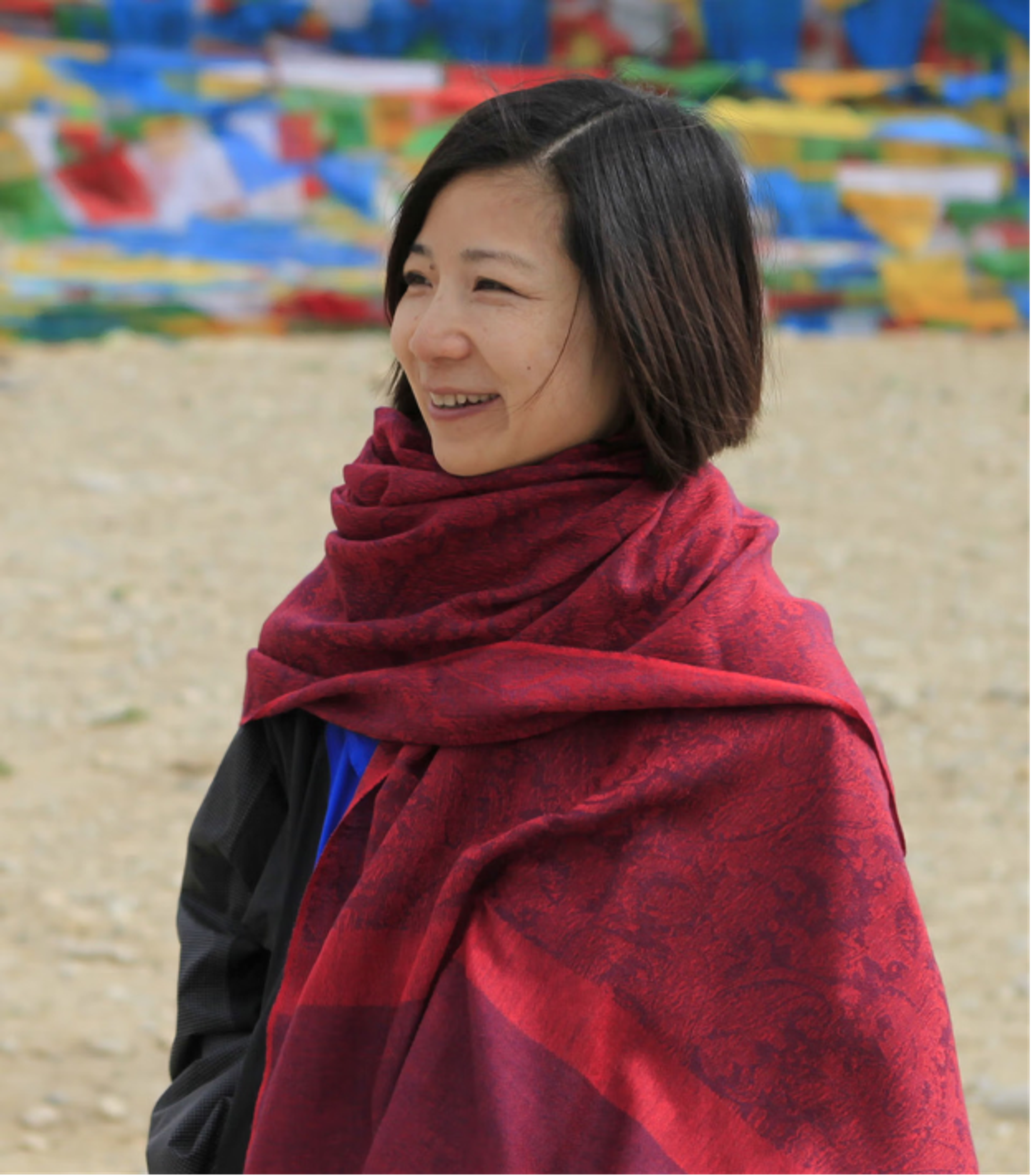
LAI Lili
Anthropologist, 2023 - 2024 Berggruen Institute China Center Fellow
Lili Lai is Associate Professor of Anthropology at the School of Health Humanities at Peking University. Lai’s research interests include the body, everyday life, and medical practices. She has done extensive ethnographic and interdisciplinary research on health-related issues in rural and urban communities of Northern and Southwestern China. Dr. Lai’s monographs include Hygiene, Sociality and Culture in Contemporary Rural China: The Uncanny New Village (Amsterdam University Press, 2016), and Gathering Medicines: Nation and Knowledge in China's Mountain South, co-authored with Judith Farquhar (The University of Chicago Press, 2021). She received her MA and PhD in Anthropology from UNC-Chapel Hill.
About the Berggruen Institute China Art and Culture Program
The Berggruen Institute China’s Art and Culture Program is dedicated to fostering dialogue and co-creation between intellectual research and artistic practice. It encourages inquiry driven by artistic perspectives, as well as artistic actions and works that generate new ideas and understandings.
The program builds platforms for intellectual exchange, invites artists to participate in research initiatives, and organizes small-scale, research-oriented exhibitions and discussions to promote in-depth, cross-disciplinary dialogue.
About the Hyundai Motorstudio Beijing
Hyundai Motorstudio Beijing is a brand space for arts and culture in the 798 Art District, one of China’s most renowned creative districts. Inspired by the concept of “Creative Energy,” the space strives to enrich people’s lives and support the local cultural landscape by sparking artistic inspiration. Through immersive exhibitions and creative programs, including art and mobility contents, Hyundai Motorstudio Beijing presents fresh perspectives and engaging experiences.
Hyundai Motorstudio Beijing is currently presenting Prayers to Fornax: Science, Technology, and Spirituality, the first awarded exhibition of Hyundai Blue Prize+ 2025. Curated by Yifeng Wei and Penny Dan Xu, the exhibition brings together works by eight groups of artists across three interconnected chapters—“Measuring the Intangible,” “Other Knowledges,” and “Seeking Oracles.” Through diverse artistic practices, the exhibition explores intersections between scientific inquiry, spiritual traditions, Indigenous cosmologies, folklore, and mysticism, inviting audiences to reconsider how we understand technology, the world around us, and the unknown.
Duration: July 18–December 13, 2026
Curators: Yifeng Wei & Penny Dan Xu
Artists: June Balthazard & Pierre Pauze, Zach Blas, Nolan Oswald Dennis, Haroon Mirza, Riar Rizaldi, Natasha Tontey, Suzanne Treister, Chen Zhe