July 17, 2026
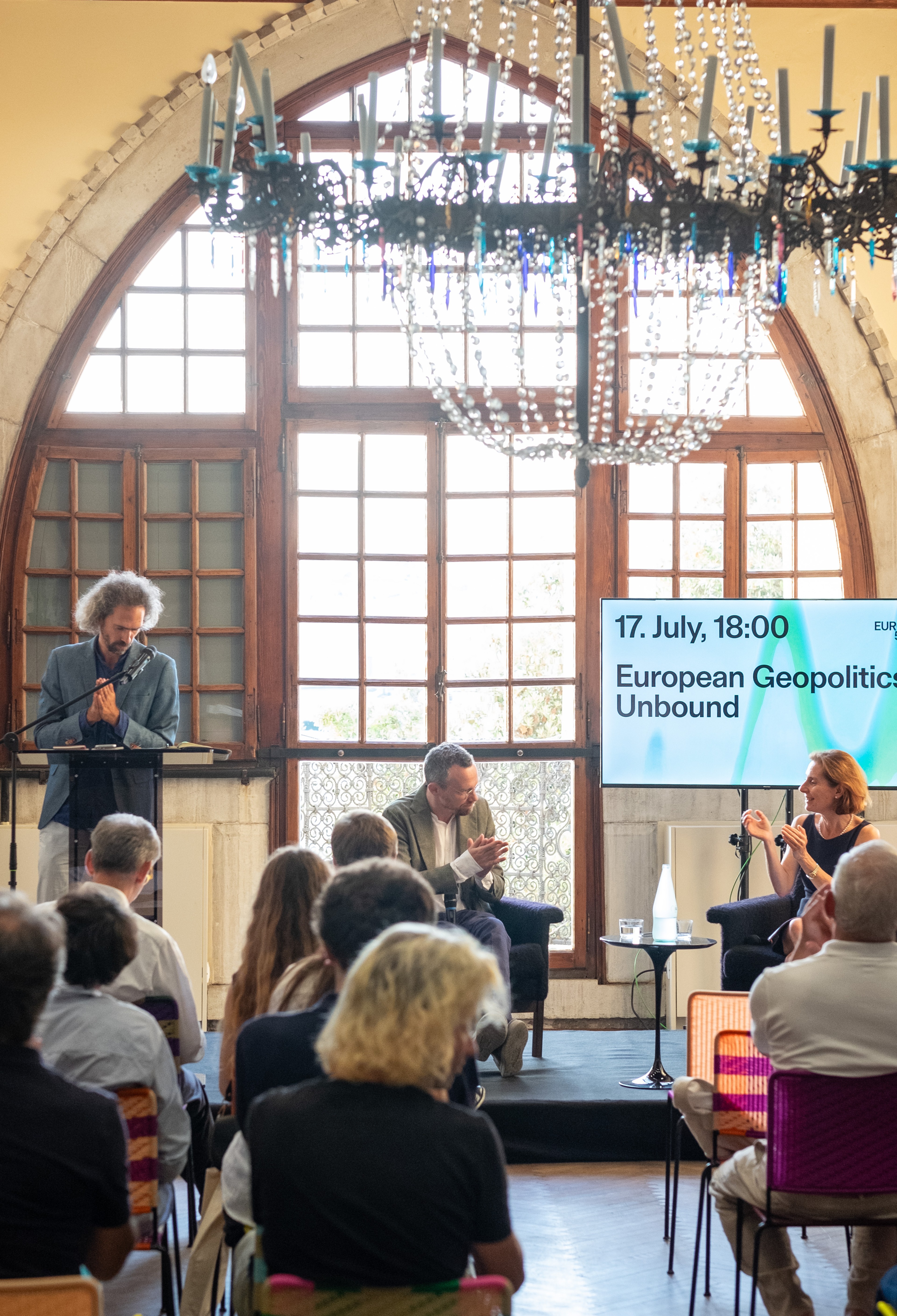
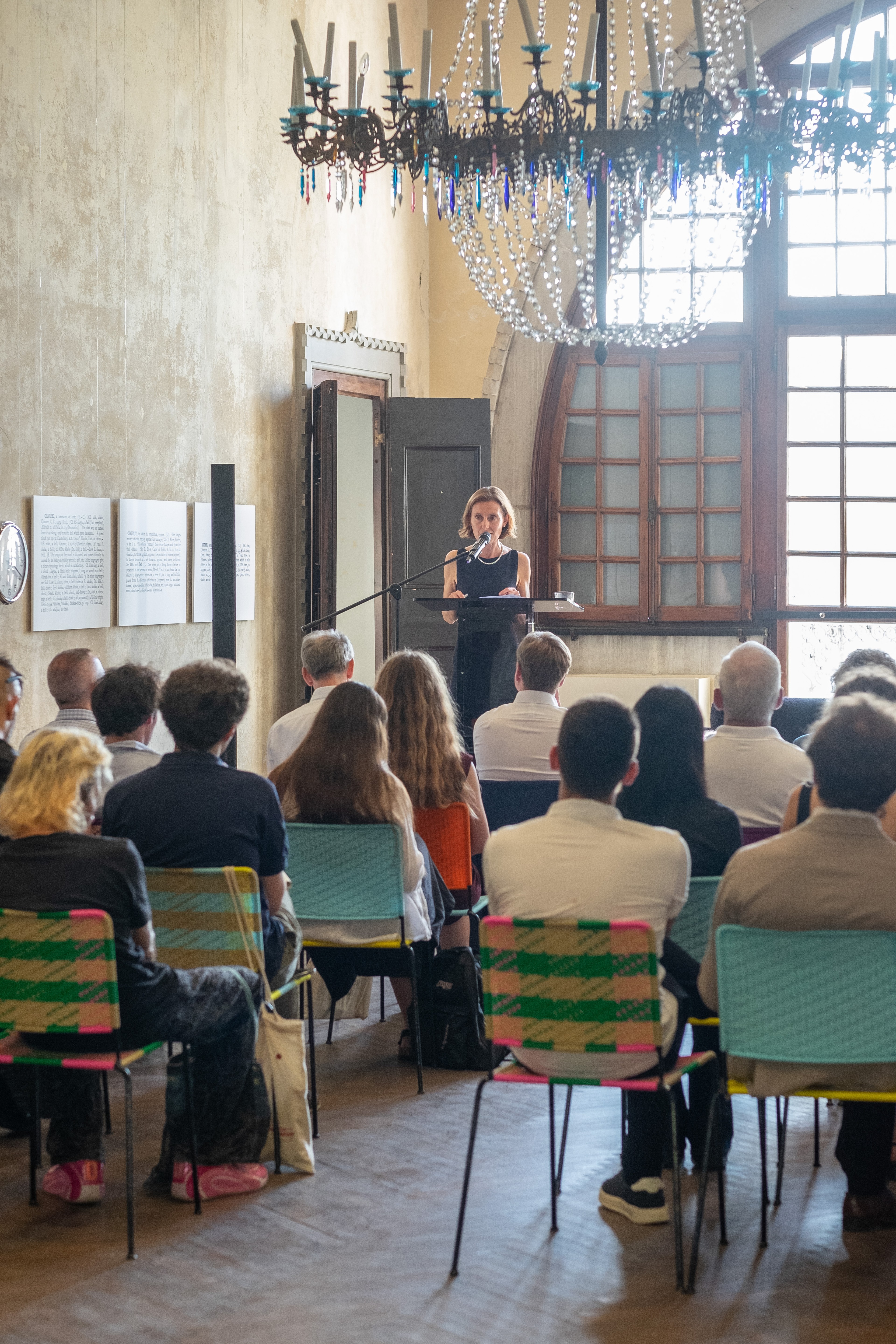
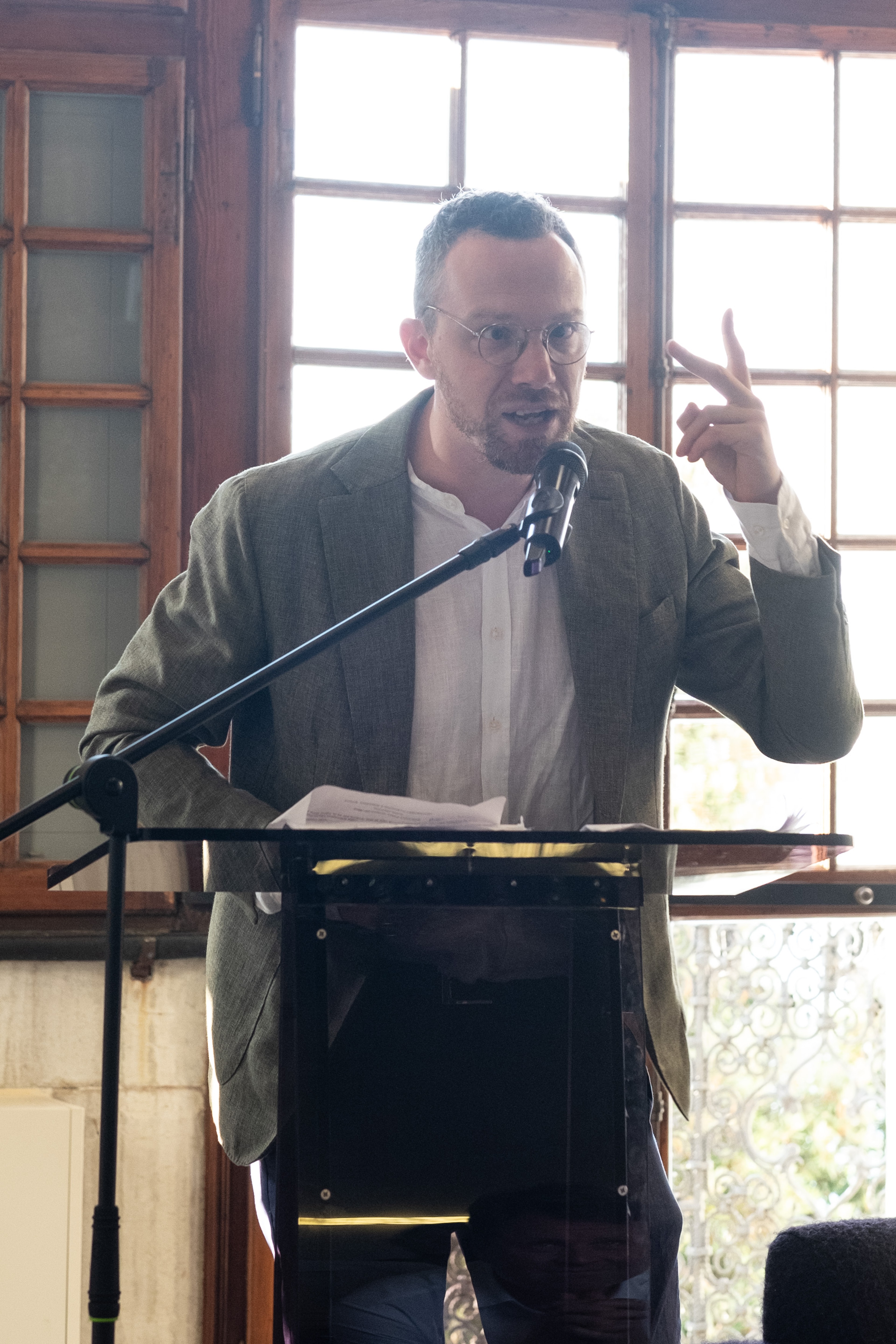
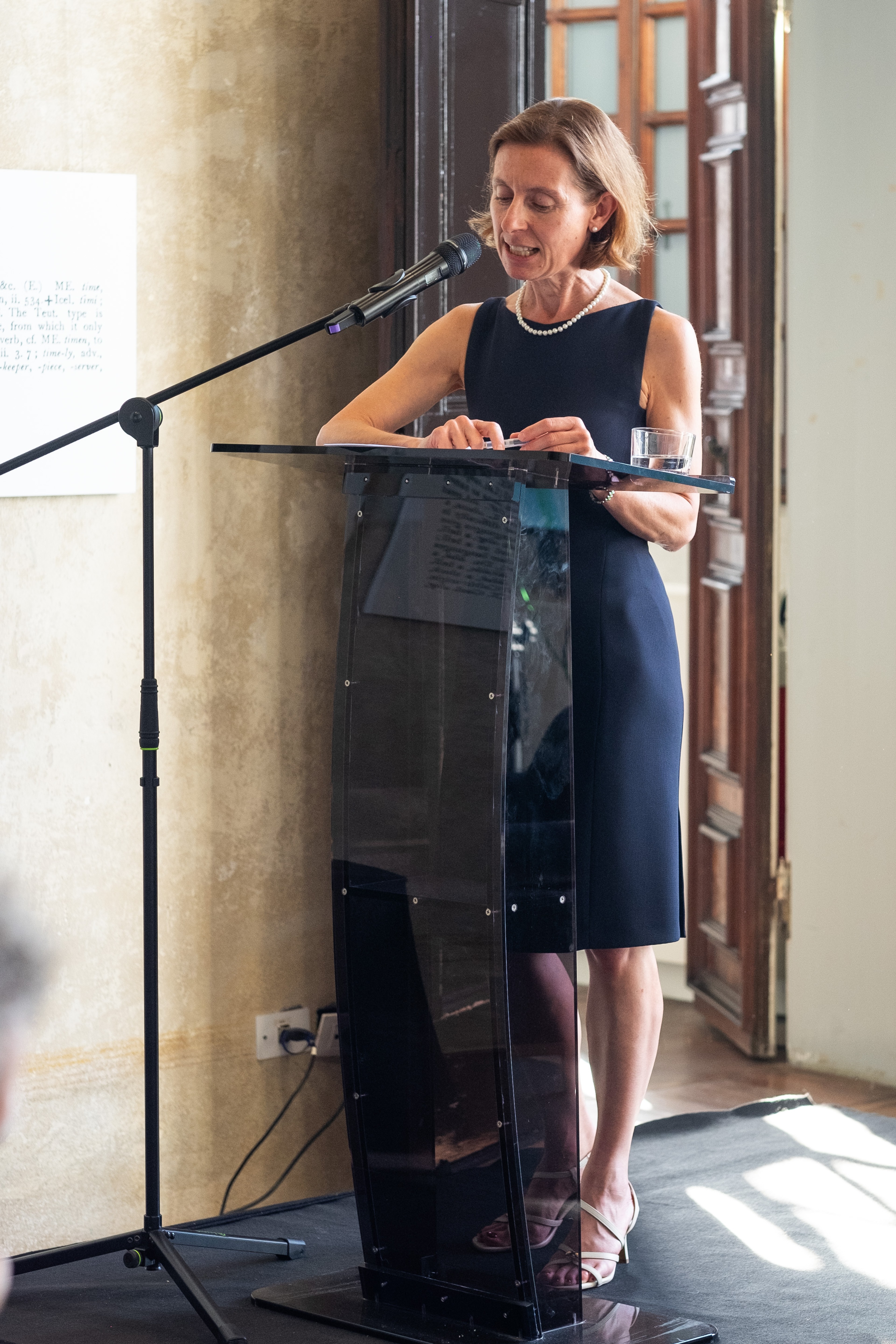
Luiza Bialasiewicz & Tommaso Visone
European Geopolitics Unbound. Remapping european security and EUSur. Toward a Geo-poetic laboratory
--
As new imperial projects undermine the international order across both hemispheres, what would it mean for Europe to shape planetary politics by leveraging its intermediary position rather than being bound by it? How can the political innovation of the European project be continued into the geopolitical sphere without replicating imperial paradigms of the past and present?
These two lectures seek to delineate Europe's transformational potential from two connected angles: as rearming Europe becomes an urgent priority, Luiza Bialasiewicz proposes a remapping of European security and defence beyond classical geopolitics; and following the recent entry into force of the EU-Mercosur agreement, Tommaso Visone explores the transcontinental possibilities of the EU's relation with Latin America.
June 18, 2026
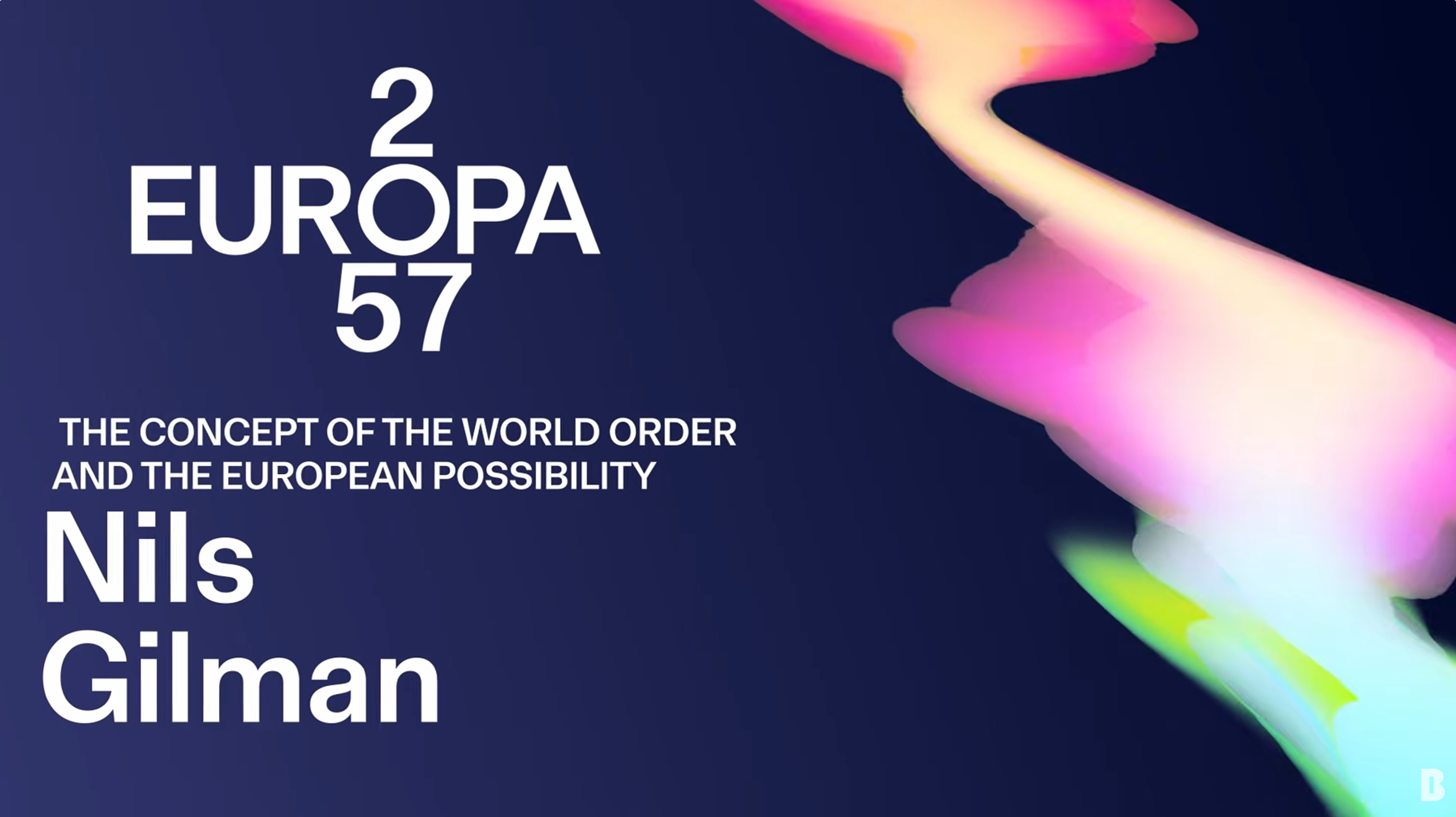
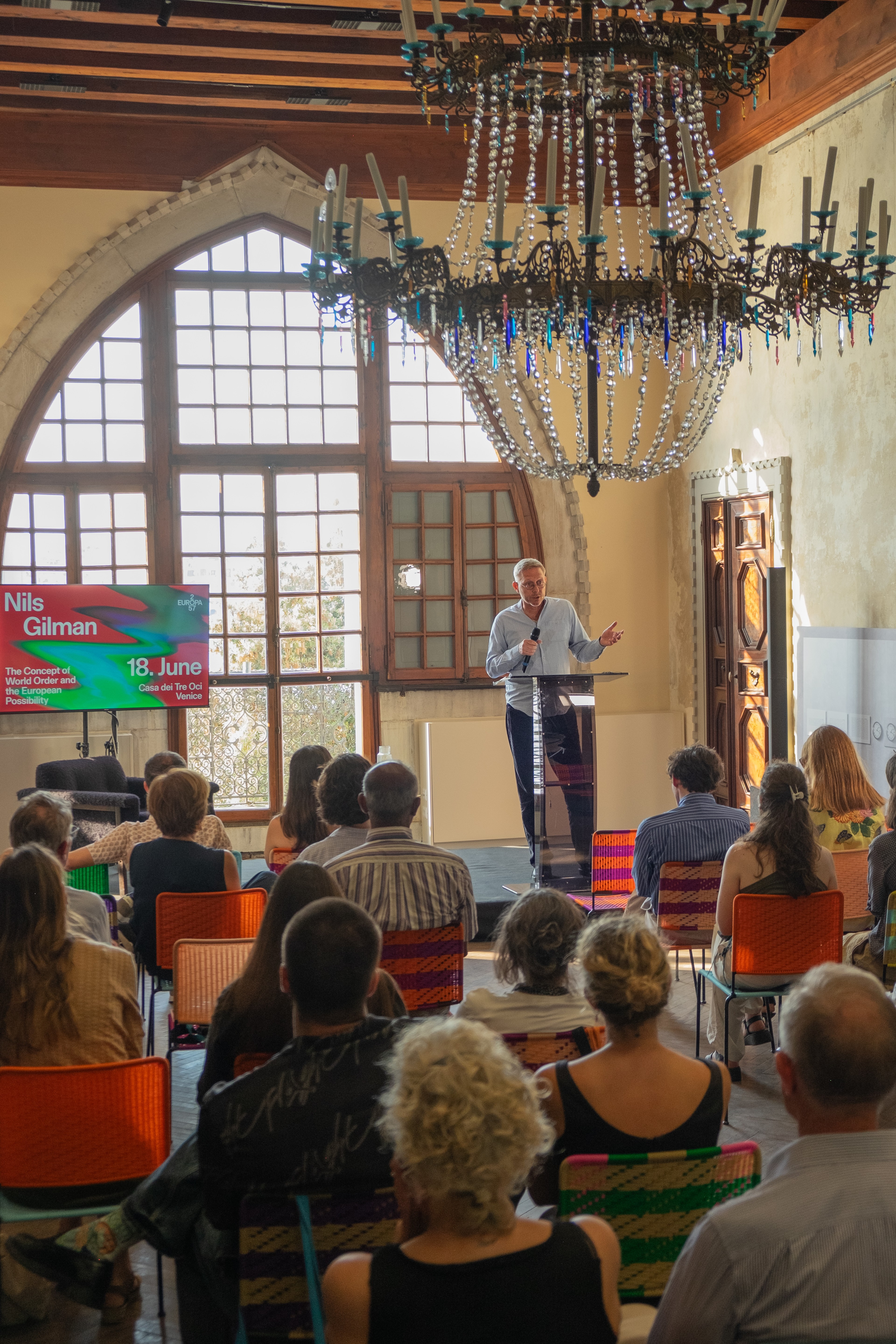
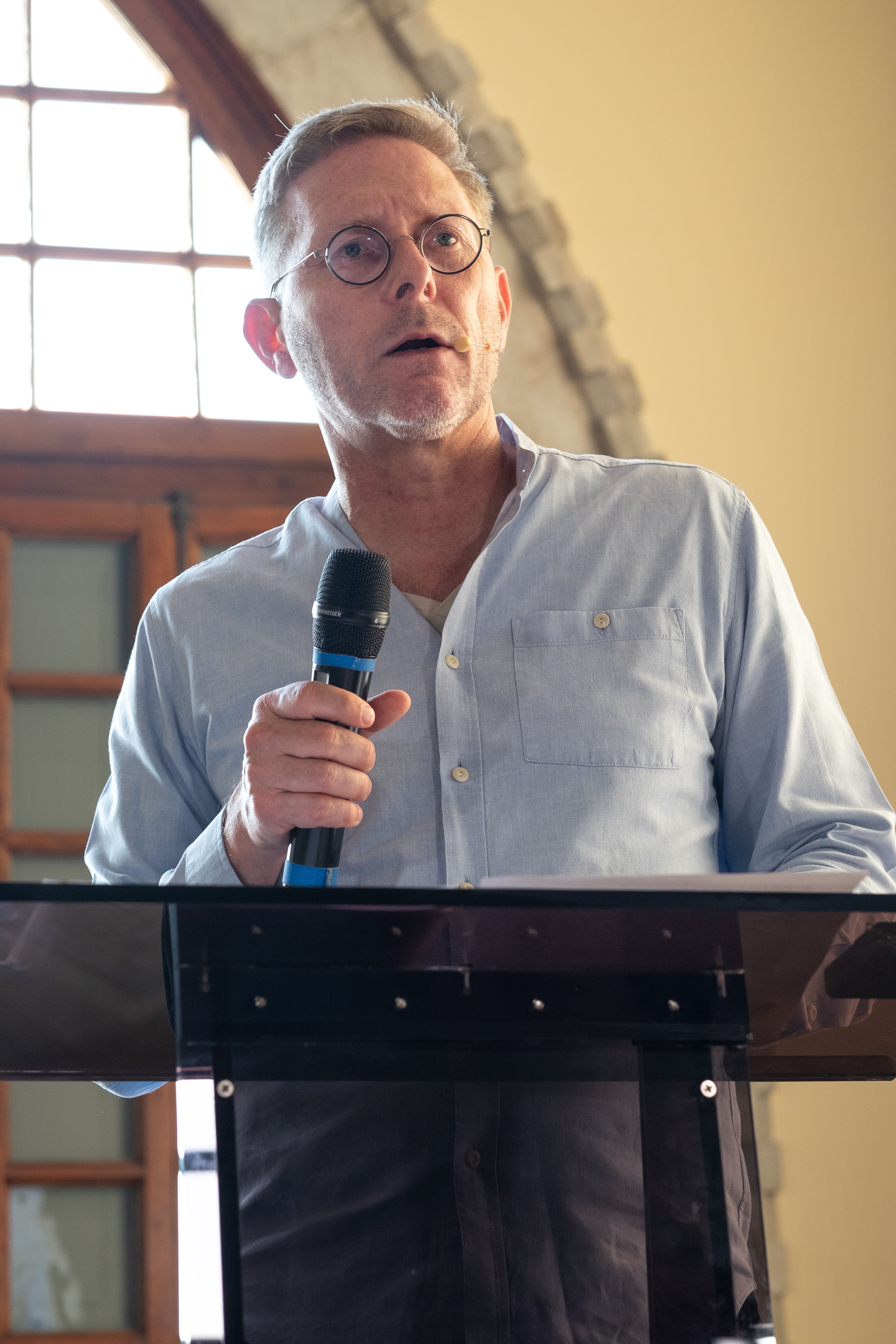
Nils Gilman
The Concept of World Order and the European Possibility
--
The liberal international order is not merely in crisis - it is being deliberately dismantled. But by whom, and to what end? And what, if anything, could replace it? In this landmark lecture, Nils Gilman maps the three competing visions now fighting to define the twenty-first century's global architecture: the illiberal hemispheric order being proposed from Washington, the Sino-centric tributary system being constructed in Beijing, and a third possibility - ambitious, urgent, and still within reach - centered on Europe and organized around genuine planetary governance. Drawing on philosophy from Kant to Hegel and events from Munich to Tehran, Gilman offers not just diagnosis but direction: a rigorous, far-reaching argument for why Europe - and only Europe - holds the institutional inheritance and moral vocabulary to lead the world through its current darkness toward something better.
April 29, 2026
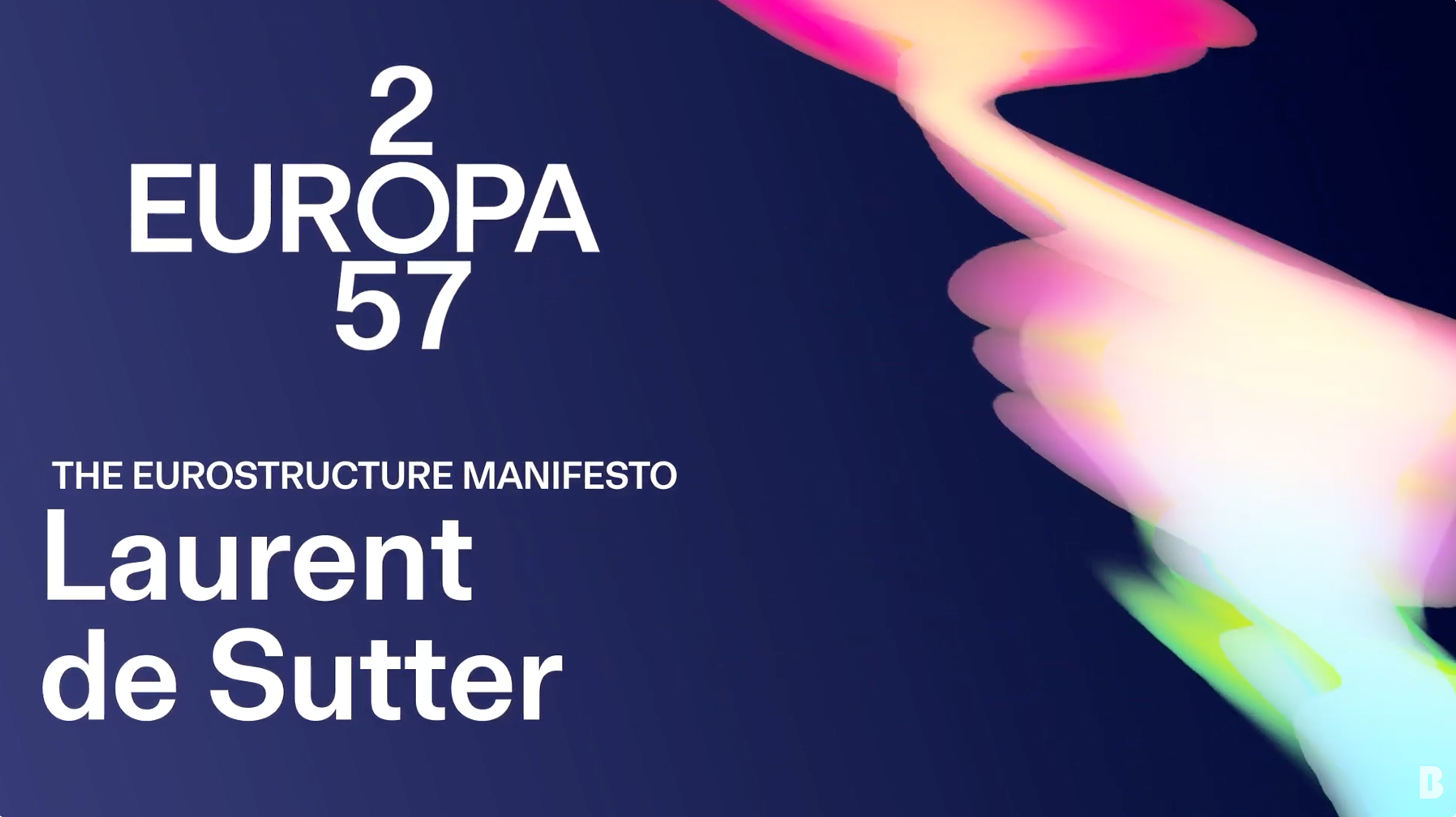
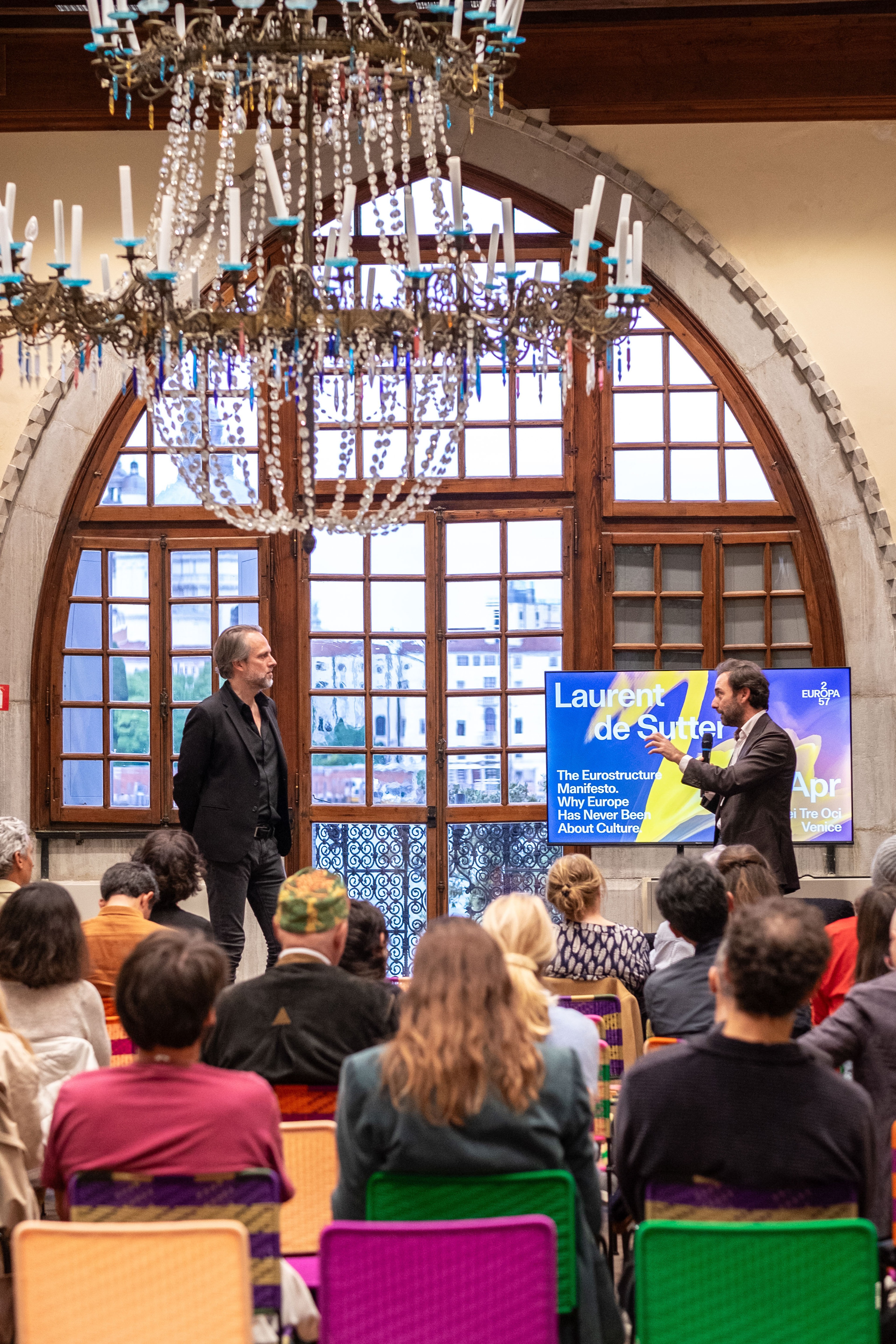
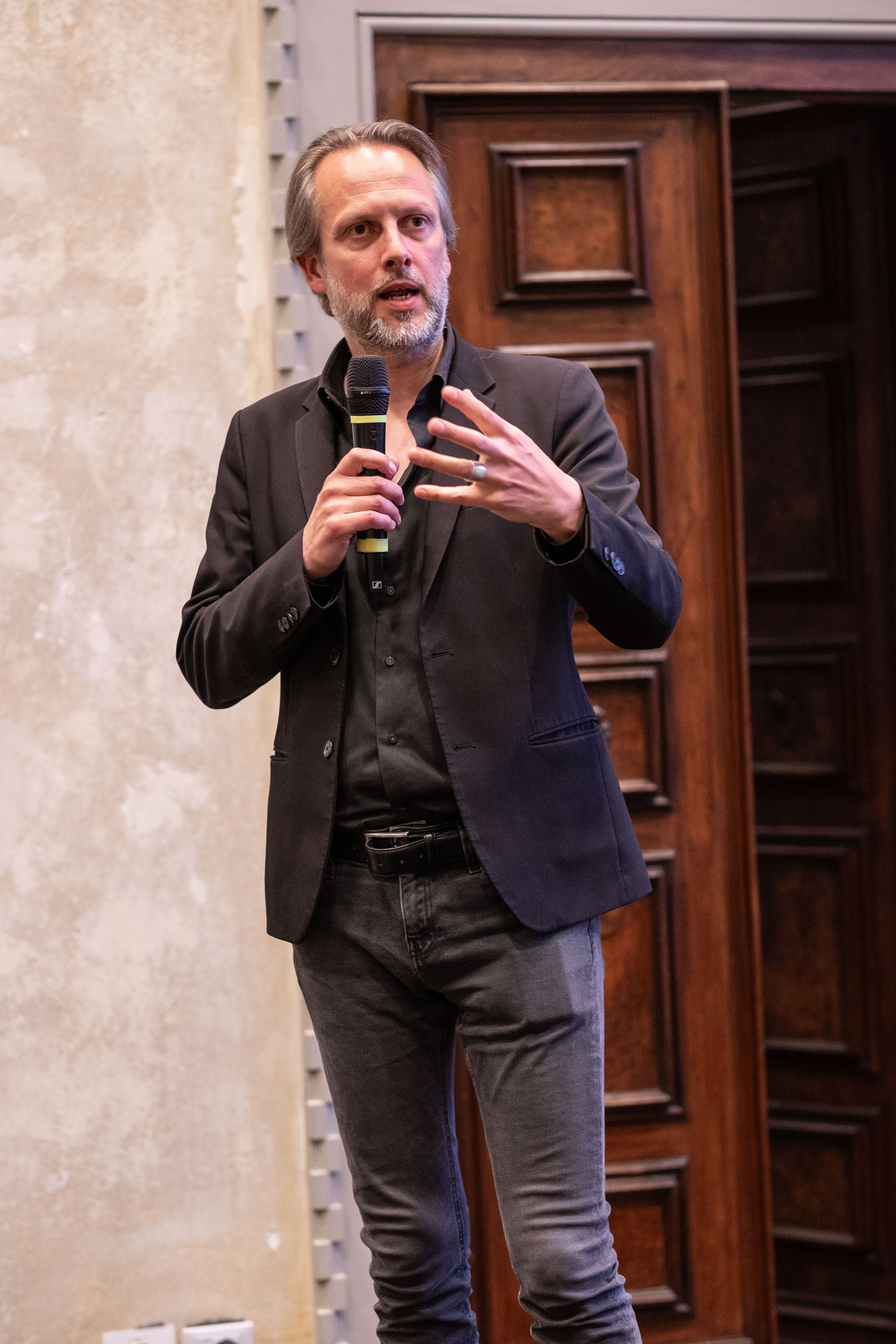
Laurent de Sutter
The Eurostructure Manifesto. Why Europe has never been about culture
--
A specter haunts Europe: the specter of philosophy. In the debates concerning the future of Europe, the language of culture, identity, sovereignty or power is used. This suggests that Europe is a modern project, embedded in the grand tradition of liberalism and critique. But Europe has never been about this. From its onset, it was about getting rid of the modern project, and of its dramatic consequences produced during World War II. Instead of focusing on philosophy, liberalism or geopolitics, the founders of Europe focused on infrastructure - materials, energy, ways of communication. Why? And why does it matters today, when the infrastructural redesign of the planet seems both a necessity of survival and the new space of confrontation between superpowers?
March 25, 2026
If you want peace, prepare for Europe
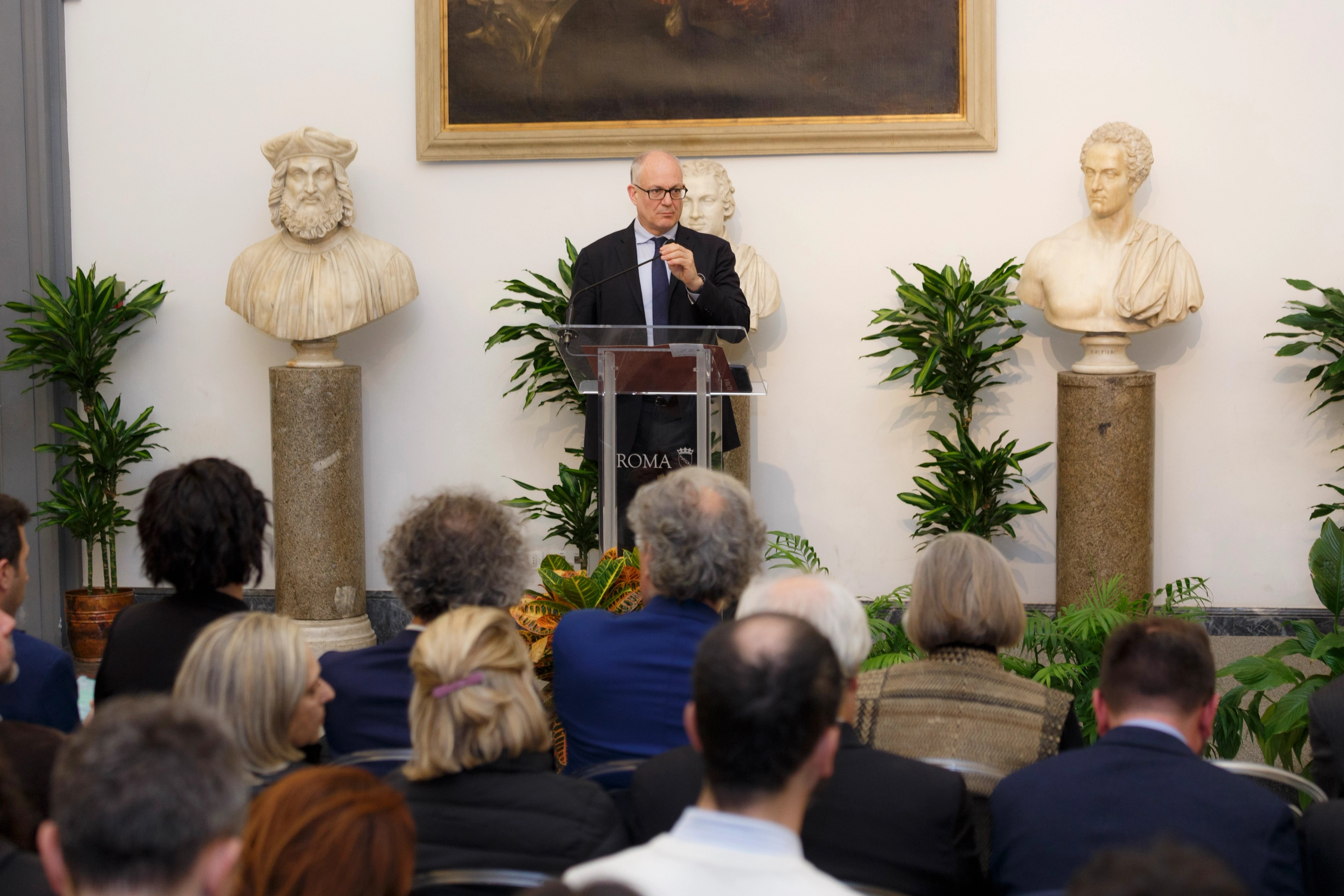
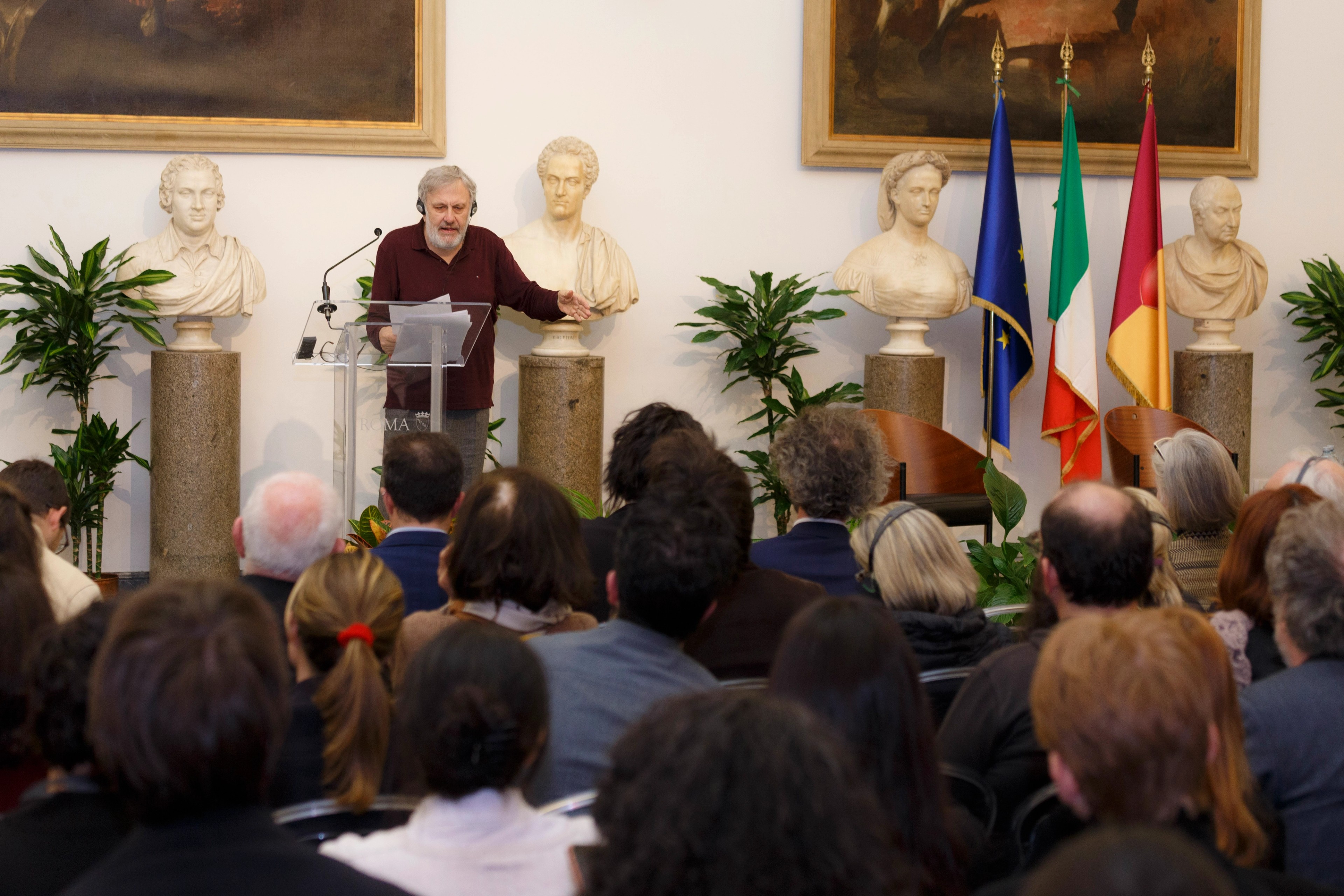
The launch of Europa2057 at the Sala della Protomoteca in Campidoglio on March 25th 2026, with philosopher Slavoj Žižek, Nobel Peace Prize laureate and human rights advocate Oleksandra Matviichuk, MP Lia Quartapelle, Berggruen Institute Europe Director Lorenzo Marsili and Rome’s Mayor Roberto Gualtieri.
--
What kind of Europe can defend peace and freedom? and what kind of Europe do we want to build for the generations to come?
On March 25, the anniversary of the signing of the Treaties of Rome in 1957, Europa2057 brought this question to Rome’s Capitoline Hill, where those treaties laid the foundations for today’s European Union. Looking towards their centenary in 2057, the gathering connected the origins of European integration with an invitation to imagine its next chapter.
Living a moment of war, geopolitical fragmentation and growing authoritarianism, the discussion explored Europe’s capacity to become a political actor capable of defending democracy, human rights and peace. Some fundamental question were addressed: How can a continent divided by national interests develop the strength to act together? What responsibilities follow from Europe’s democratic promise? And how can that promise inspire a shared future?
Organised by the Berggruen Institute Europe in the Sala della Protomoteca, the event brought together philosopher Slavoj Žižek, Nobel Peace Prize laureate and human rights advocate Oleksandra Matviichuk, MP Lia Quartapelle, Berggruen Institute Europe Director Lorenzo Marsili and Rome’s Mayor Roberto Gualtieri. Their contributions opened a conversation about European unity as both an urgent response to today’s crises and a collective project of political imagination: an opportunity to shape what Europe could become.
December 16, 2025
Barbara Cassin
Navigating with Differences: Untranslatables and AI
--
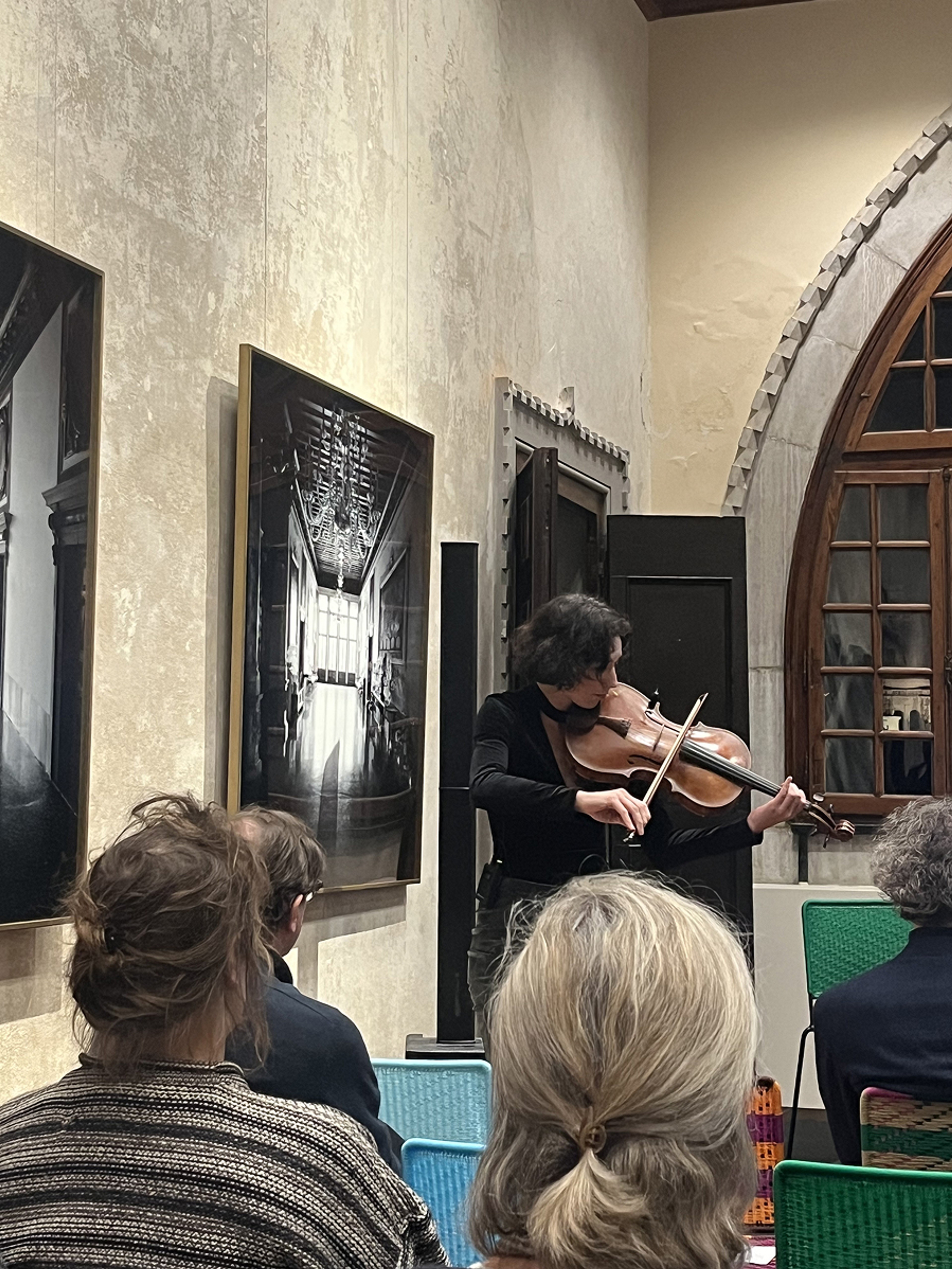
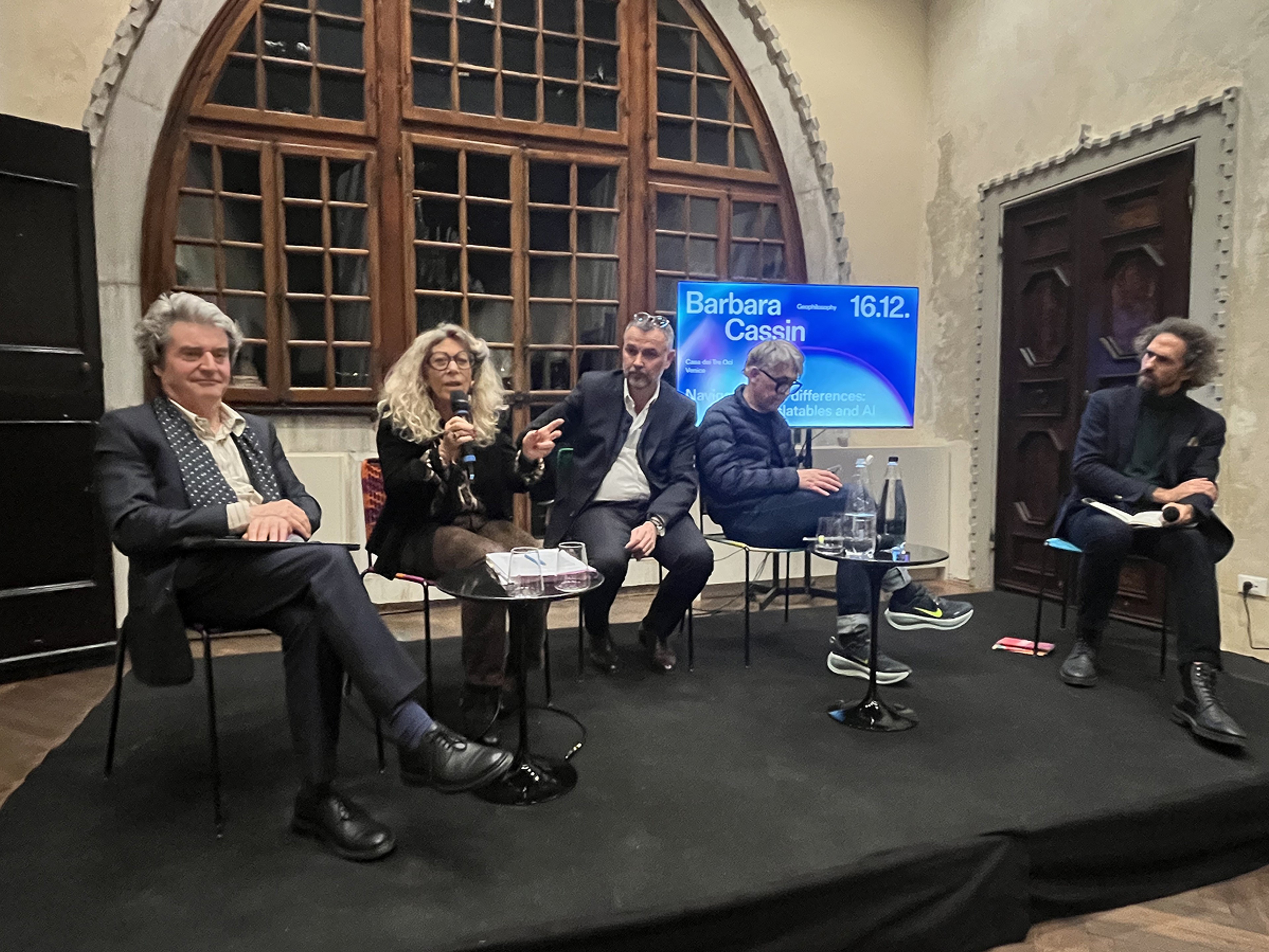
Europe’s strength is in its multiplicity, in its untranslatable languages. Untranslatable ideas never stop being translated, and this is Europe’s promise and project. How can we make AI translation which does not pretend only one language exists, but takes account of the unbridgeable gaps between languages, the multiplicity of worlds that they open up, the possibility of creation and novelty?
October 13, 2025
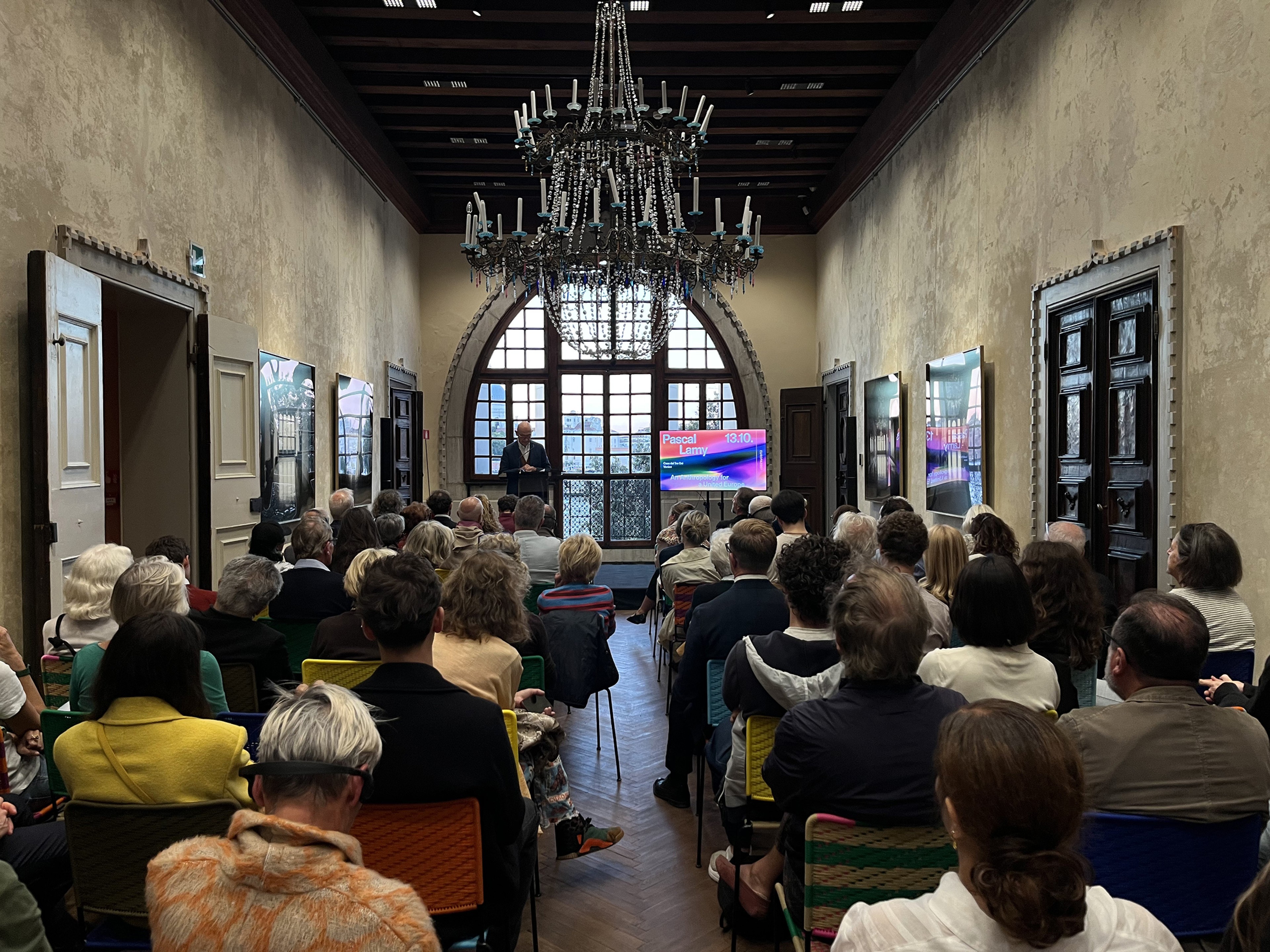
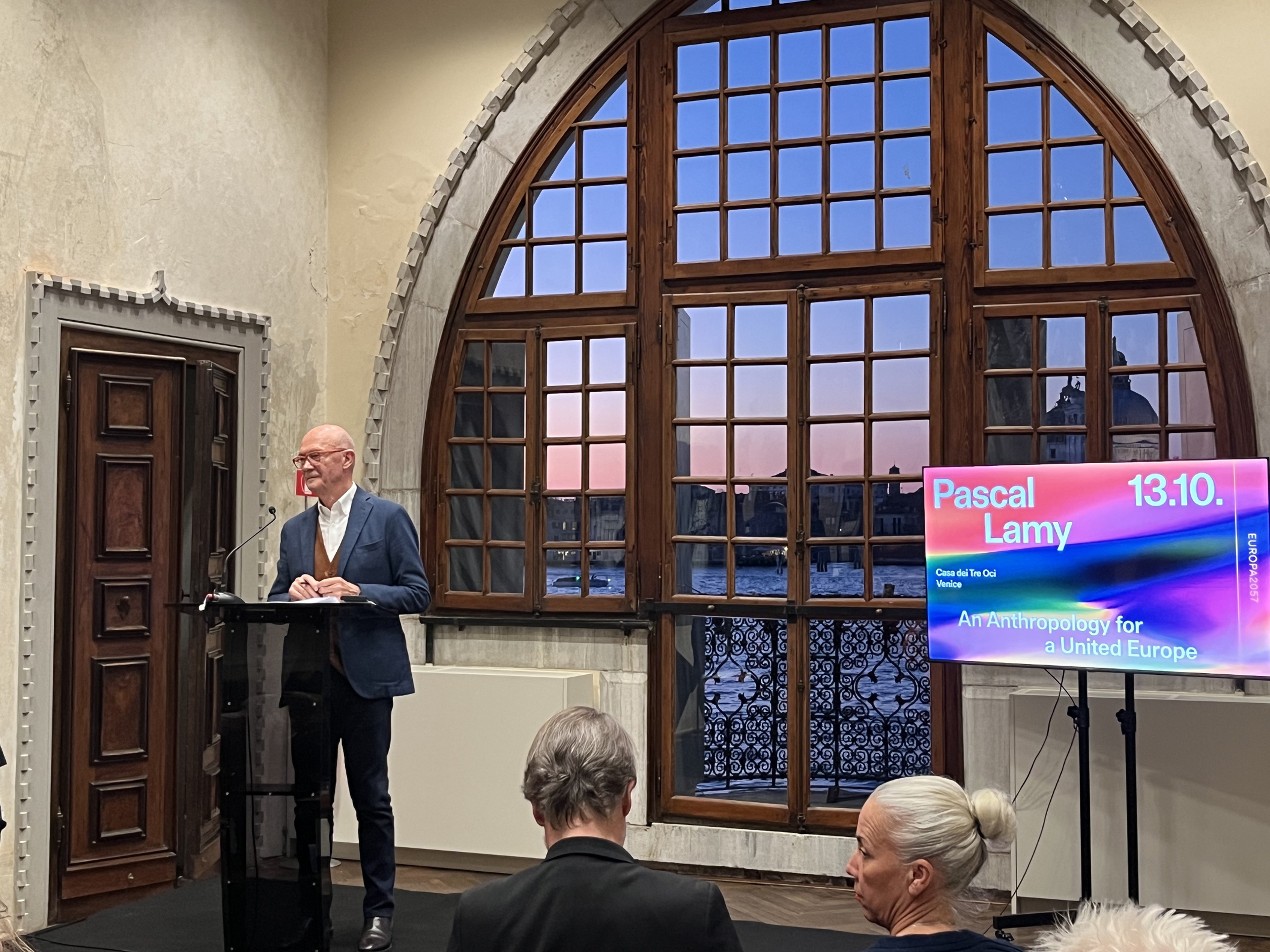
Pascal Lamy
An Anthropology for a United Europe
--
The idea there is a democratic deficit in Europe is well known, but this deficit is not about institutions, it is about imagination. The most important question today is not how to reform the institutions or the rules, but how to get peoples' imaginations running through the use of narratives. Between the consumer, the worker, the homo economicus on the one hand, and the citizen, the homo civicus, on the other, there is a barrier that the European construction has not yet been able to overcome. We have had symbolism of flags and coins, and endless analysis of institutional architecture, but the only way to really understand and address the imagination of Europeans is through an anthropological approach that goes through the apparent differences, to find what commons are constituted day by day.
May 9, 2025
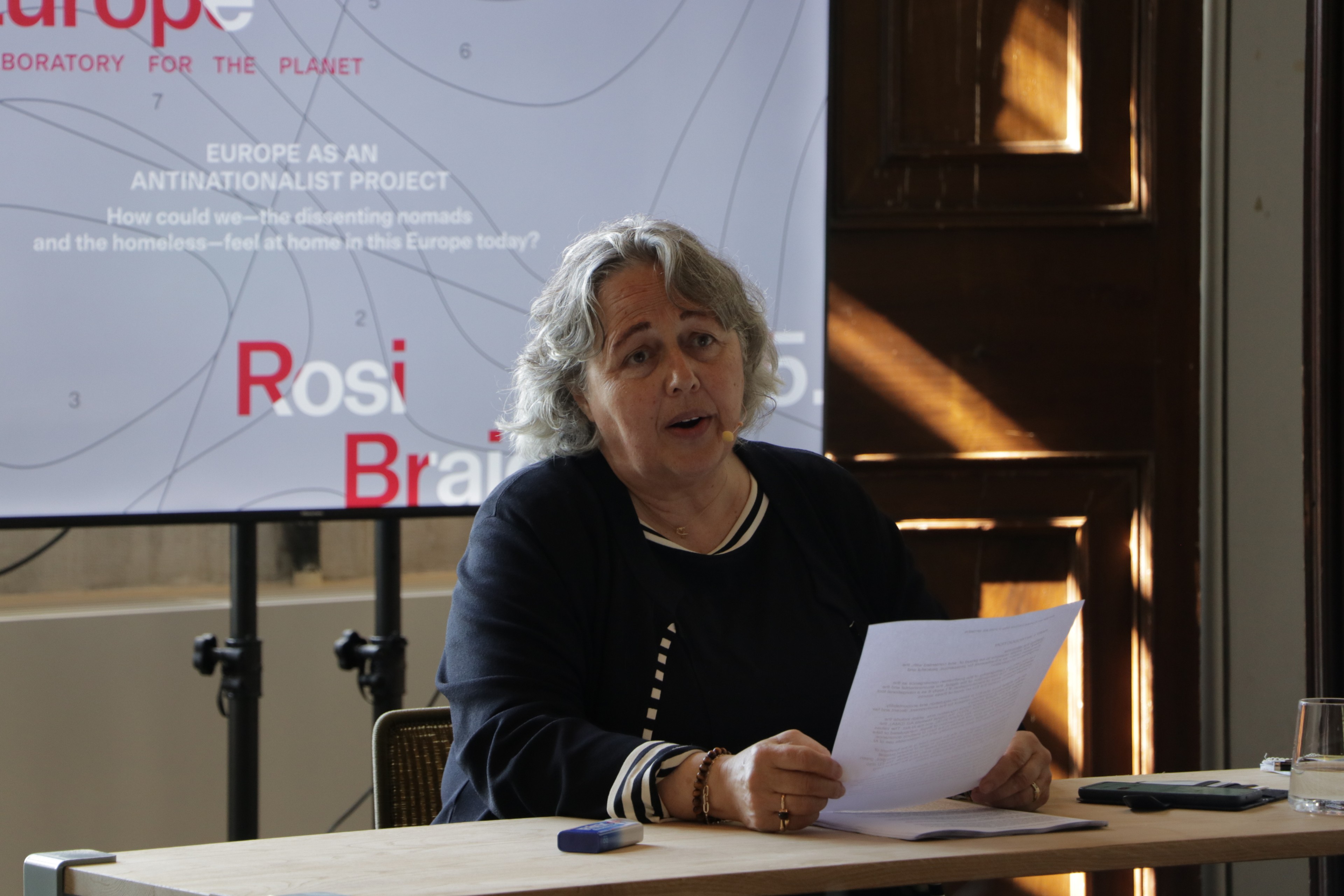
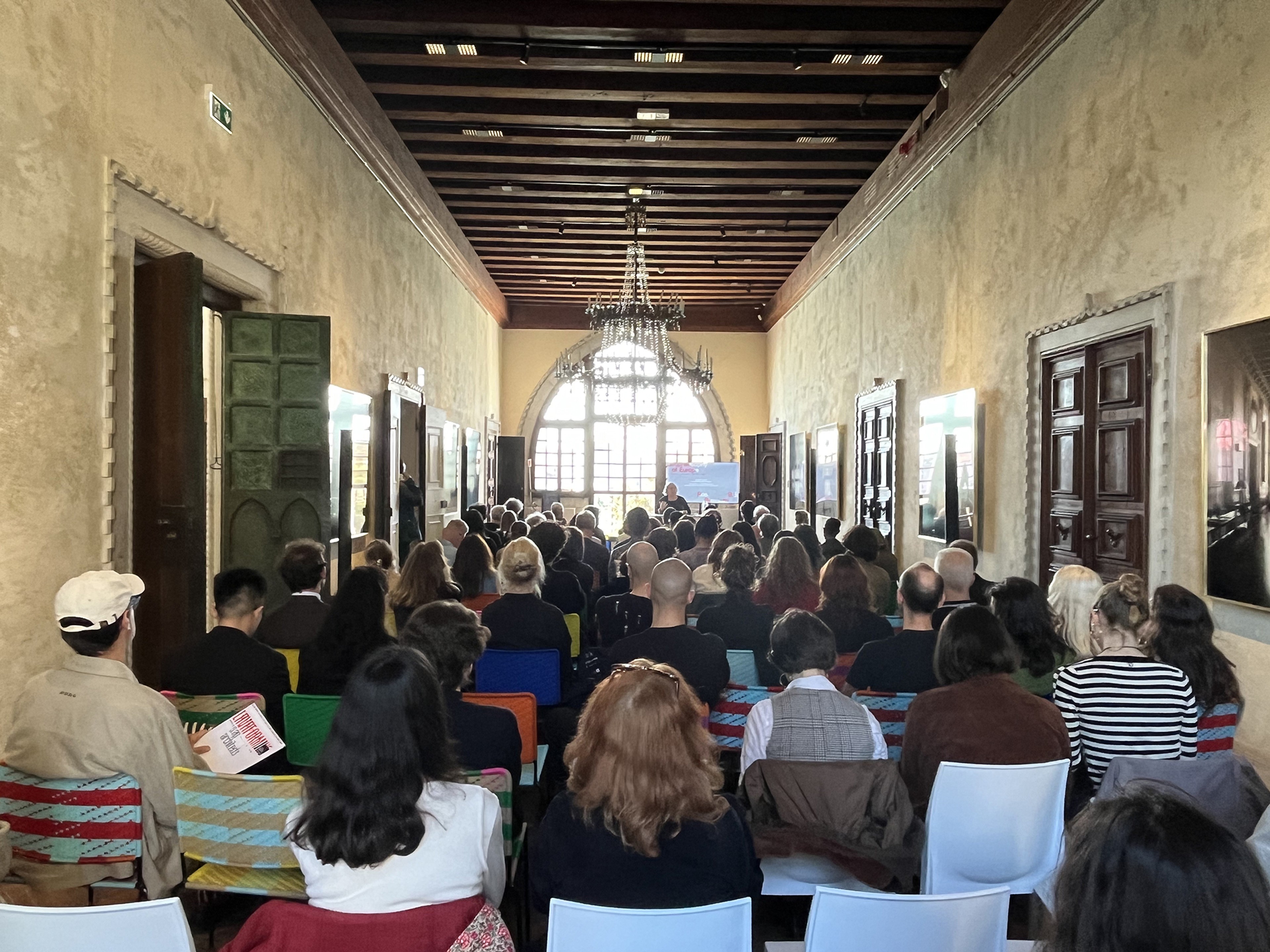
Rosi Braidotti
Europe as an Antinationalist Project
How could we―the dissenting nomads and the homeless―feel at home in this Europe today?
--
What does it mean today to become European?
Who is willing to move beyond national identities in order to imagine a post-national subject, capable of taking responsibility for Europe’s past while, at the same time, opening up its future?
What role can Europe play in the face of the great challenges of our time—from the environmental crisis to our relationship with technology, from scientific knowledge to coexistence with non-human beings? And how can European subjectivity be rethought in a nomadic, plural, and responsible key?