Consciousness Convening
What happens when the concept of consciousness is taken out of any single discipline—or civilization—and placed in conversation?
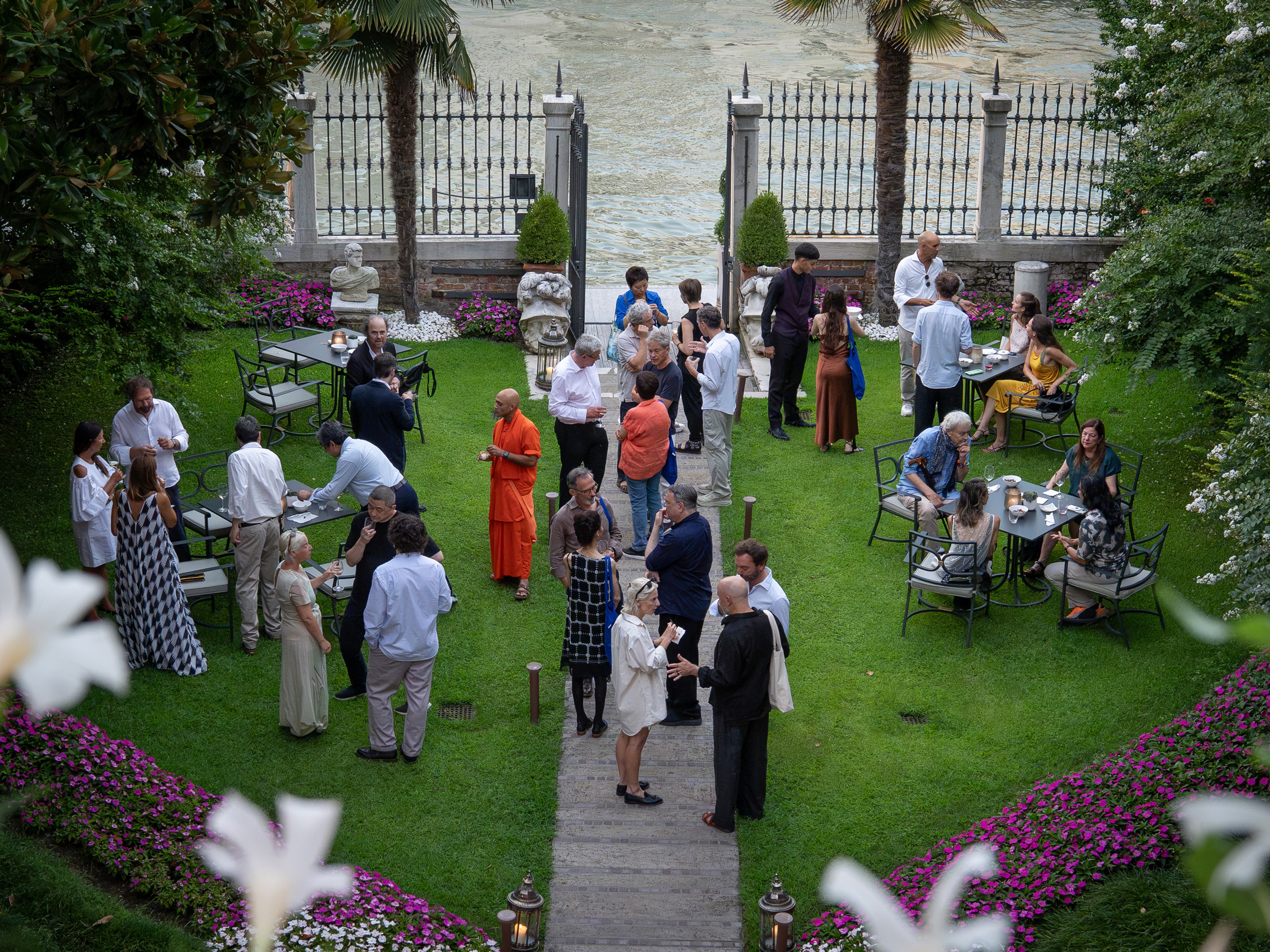
From August 2–8 2026, the Berggruen Institute brought twenty scholars and practitioners to Casa dei Tre Oci in Venice to examine the nature of consciousness across neuroscience, physics, philosophy, machine learning, literature, the arts, and spiritual traditions.
The gathering marked the second year of the Institute’s Venice inquiry into consciousness. The first convening in 2025 brought contemporary debates in neuroscience, philosophy of mind, physics, AI, and the arts into conversation. In 2026, the frame widened: What might contemporary theories of mind learn when placed alongside traditions that have been thinking about consciousness, selfhood, perception, being, and the soul for centuries—or millennia?
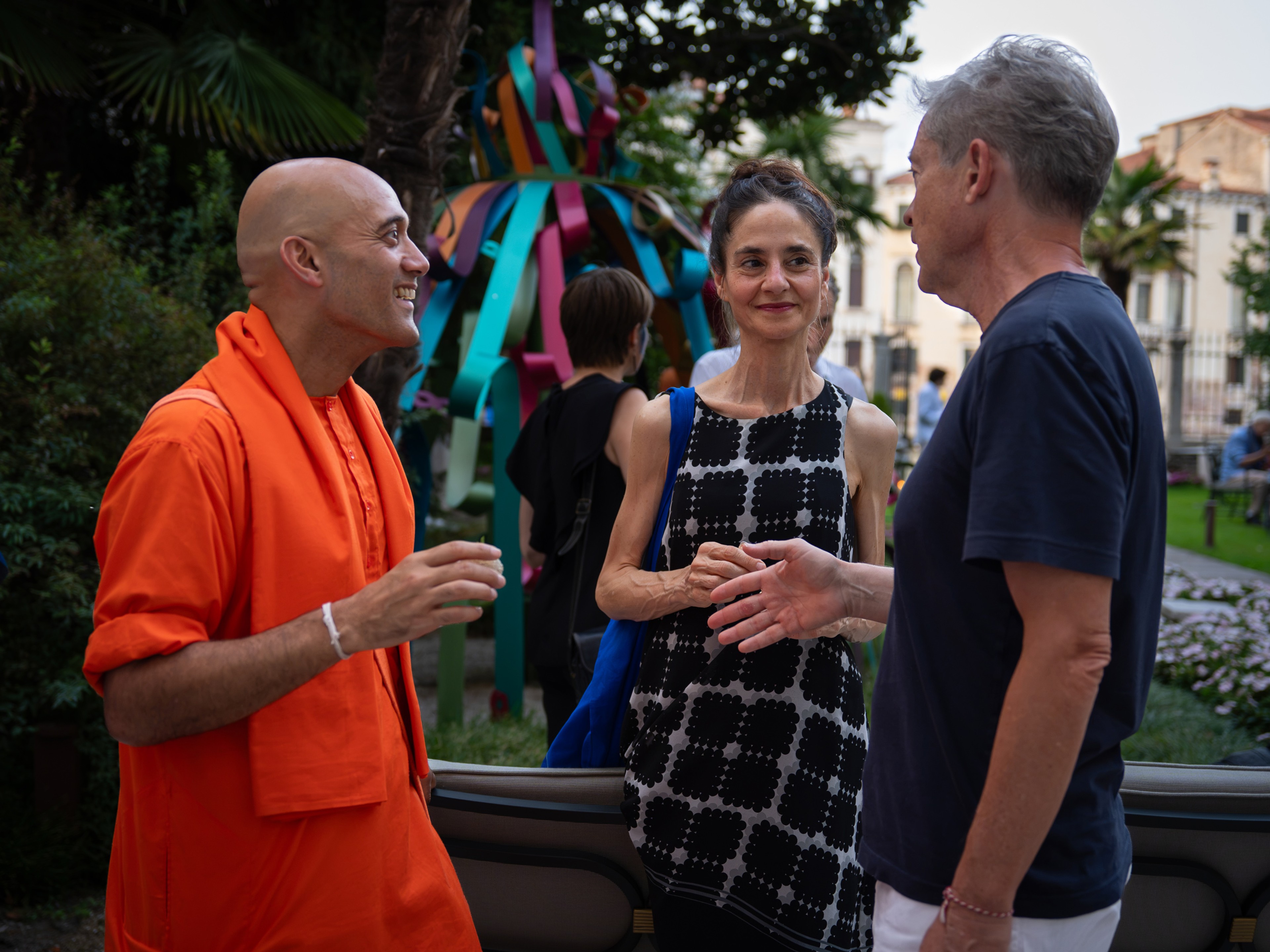
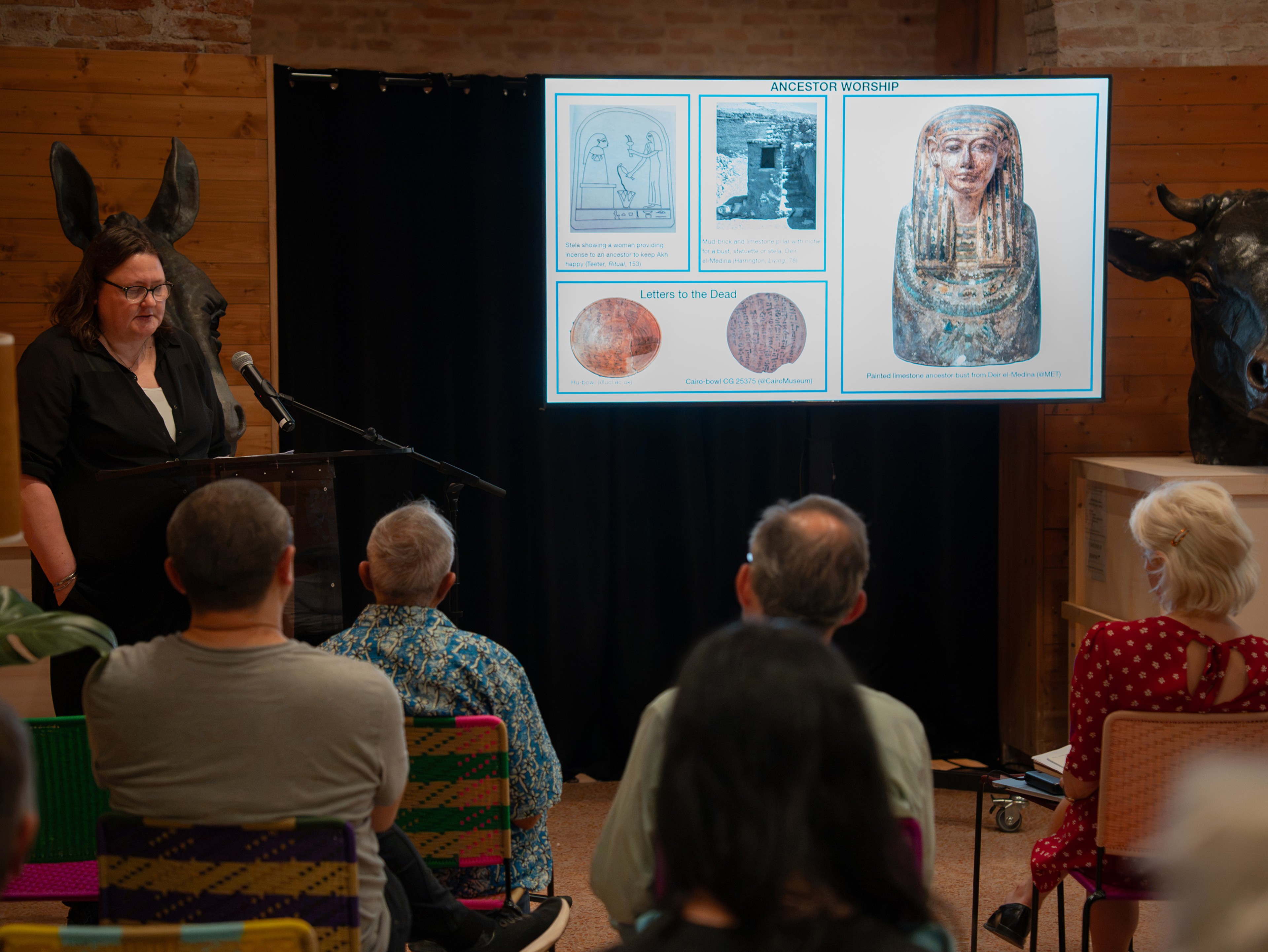
This year enfolded perspectives from Buddhist philosophy, Vedānta, Daoism, Islamic and Christian philosophy, ancient Greek thought, and ancient Egyptian conceptions of the soul into conversation with contemporary neuroscience, physics, AI, philosophy, literature, and art.
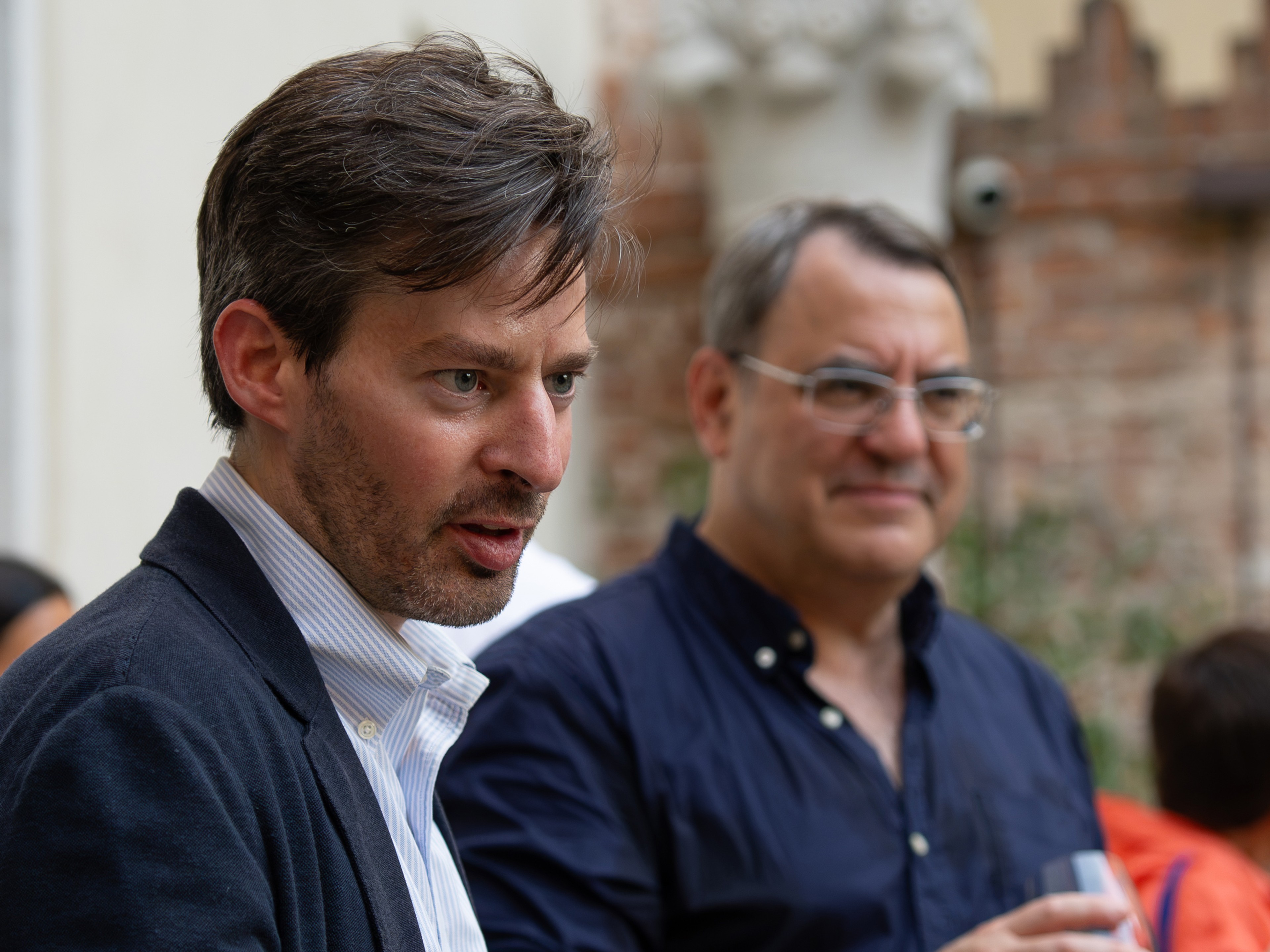
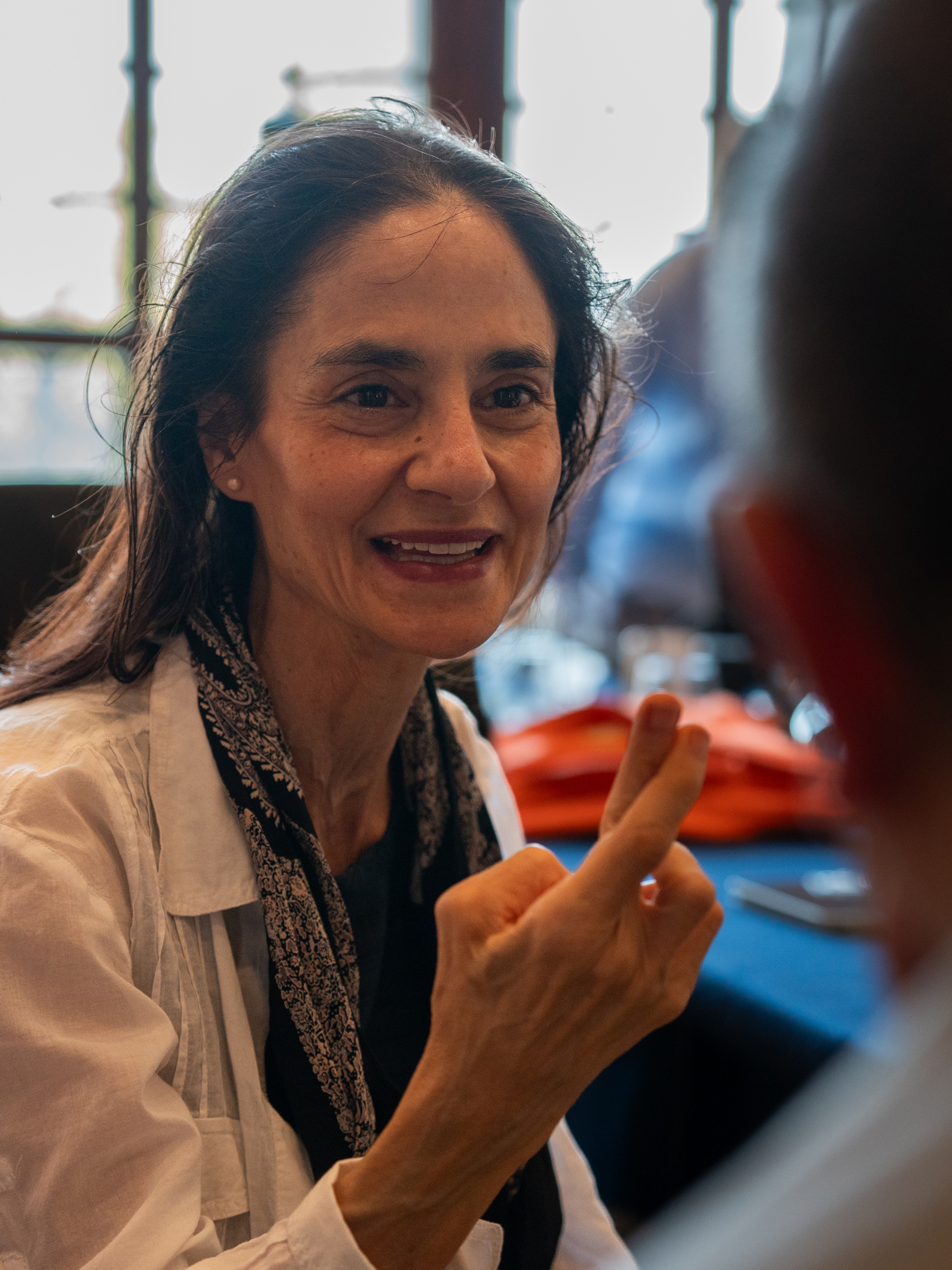
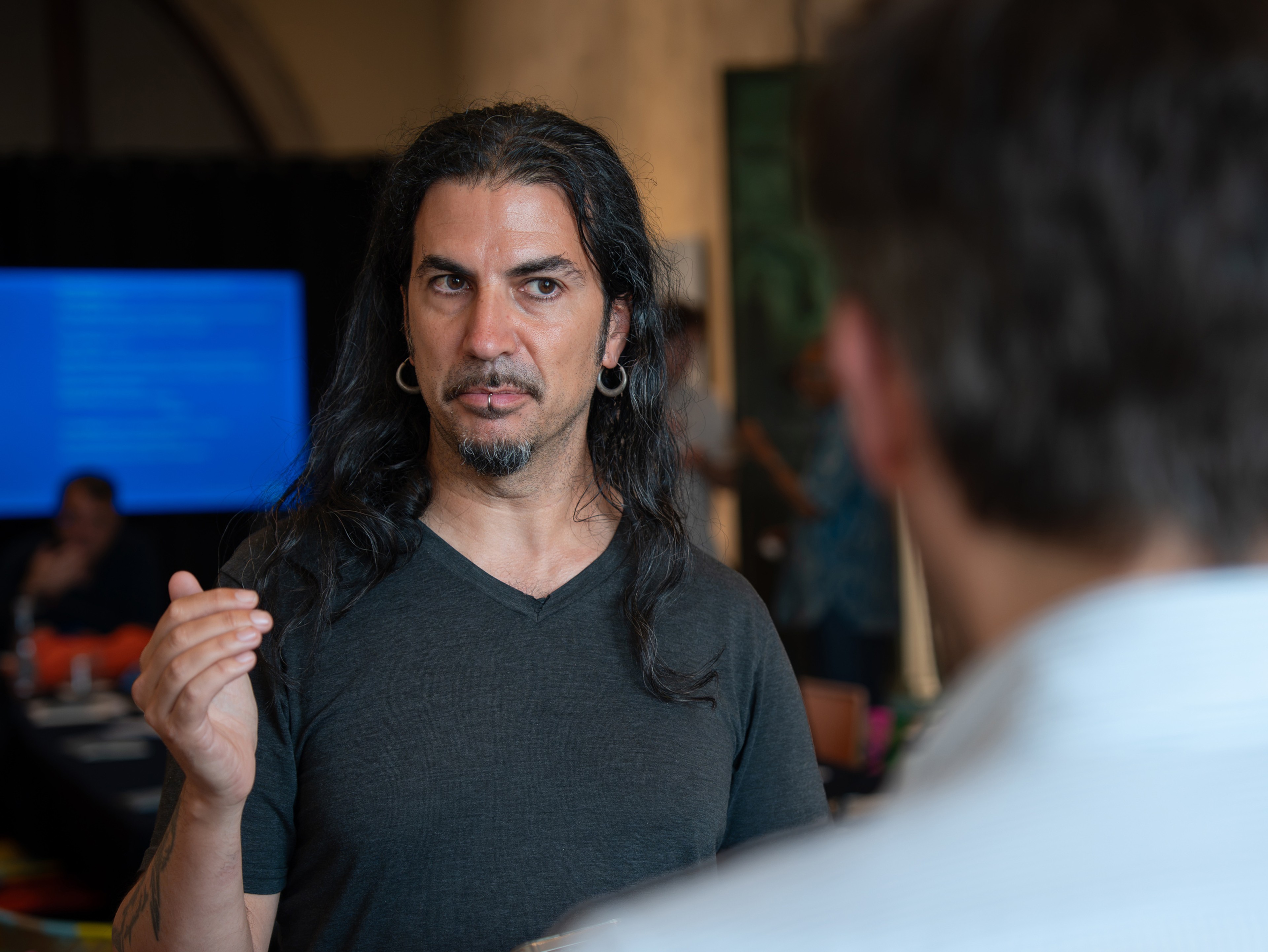
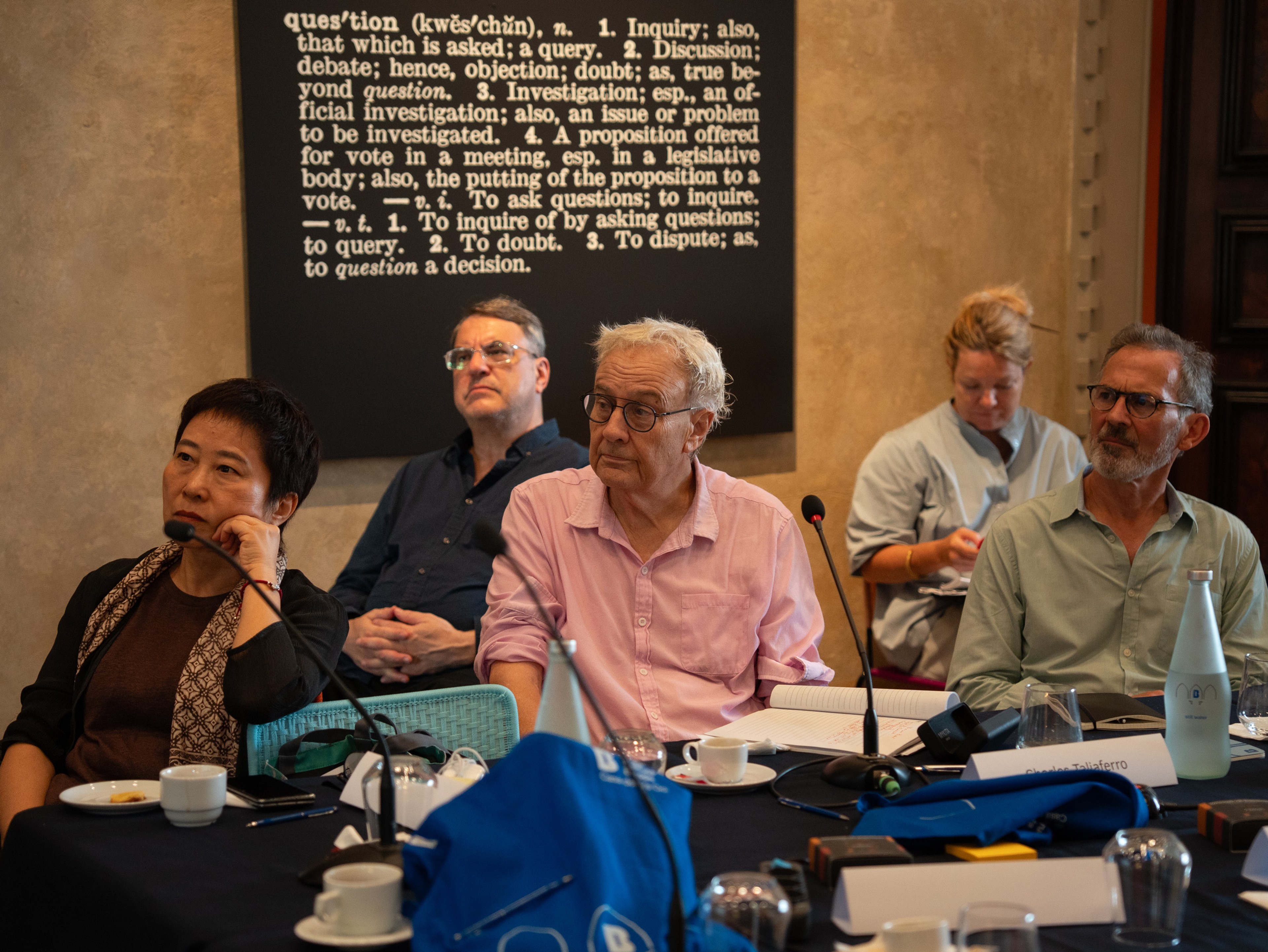
Participants included Anil Seth, Carlo Rovelli, Karl Friston, Donald Hoffman, Alva Noë, Jenann Ismael, Dean Buonomano, Somak Raychaudhury, Brook Ziporyn, Swami Medhananda, Muhammad Faruque, Charles Taliaferro, Ben Folit-Weinberg, Christina Geisen, Ken Liu, Memo Akten, and Rupert Spira, among others.
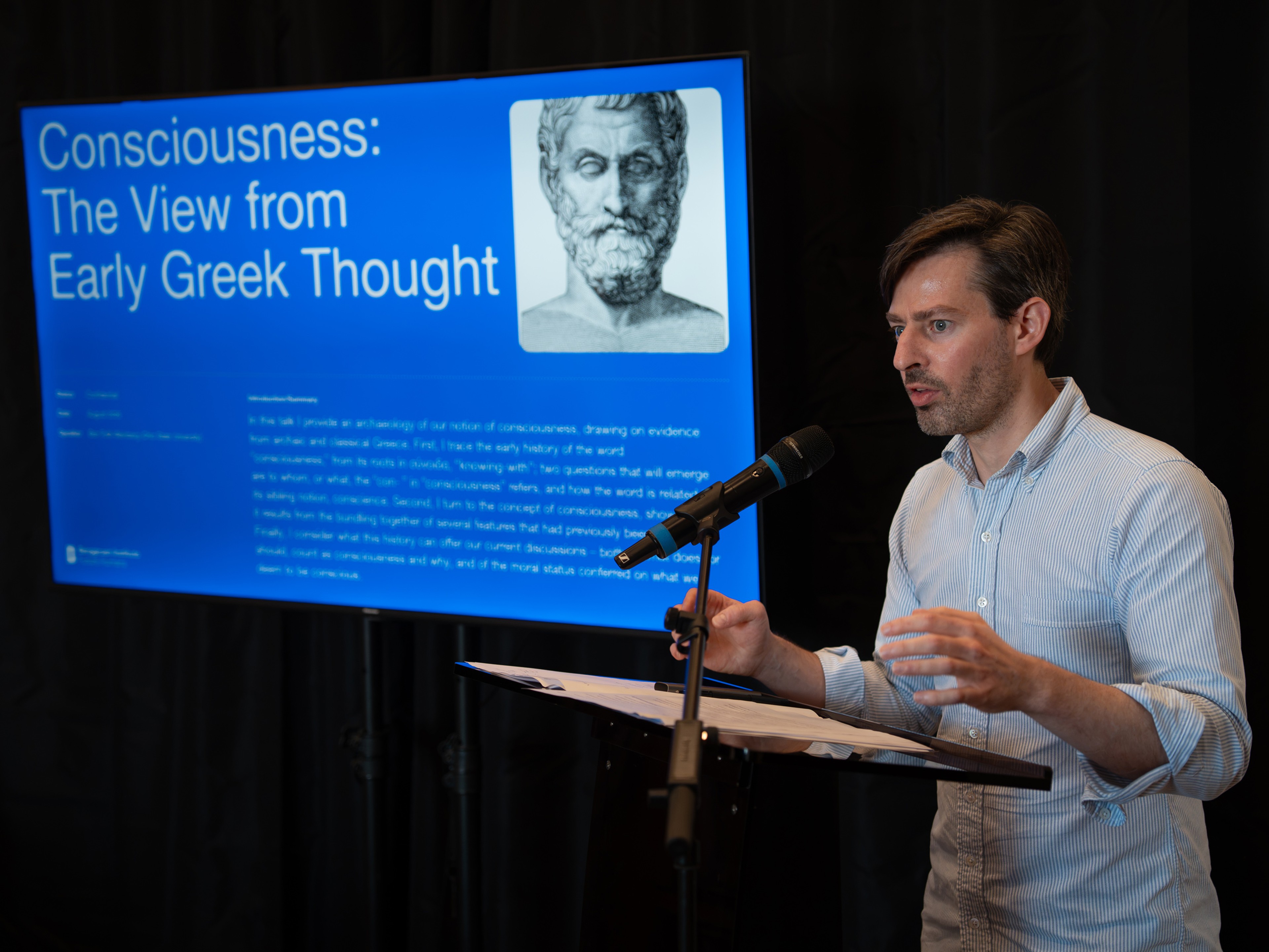
Rather than seeking a single definition or theory of consciousness, the workshop surfaced some of the assumptions beneath the debate itself: What are ancient traditions of self-awareness? Is consciousness produced by matter or fundamental to reality? Is the self real, constructed, or illusory? What can third-person science tell us about first-person experience? What kinds of knowledge count as evidence? And are we even talking about the same thing when we use the word “consciousness”?
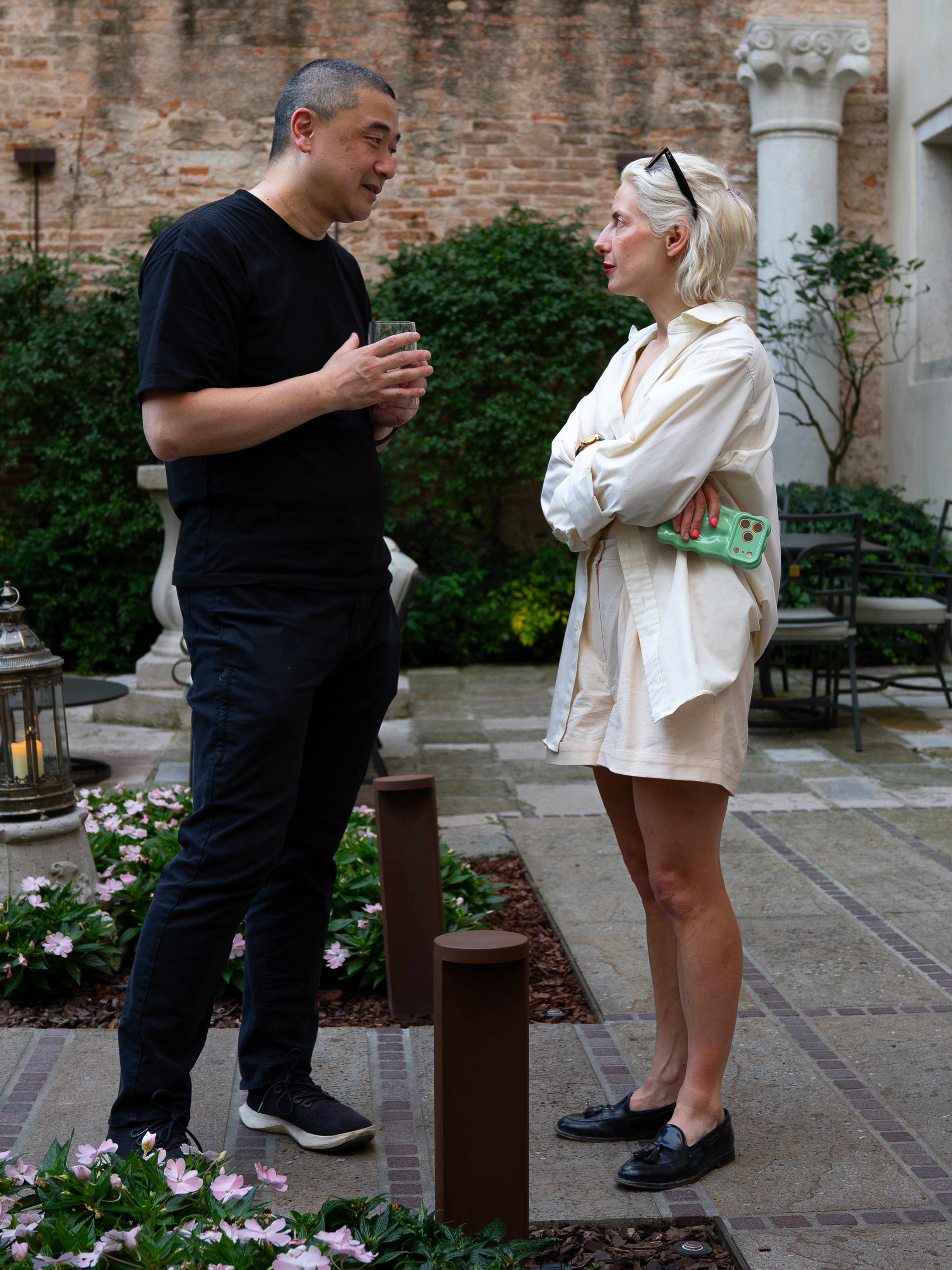
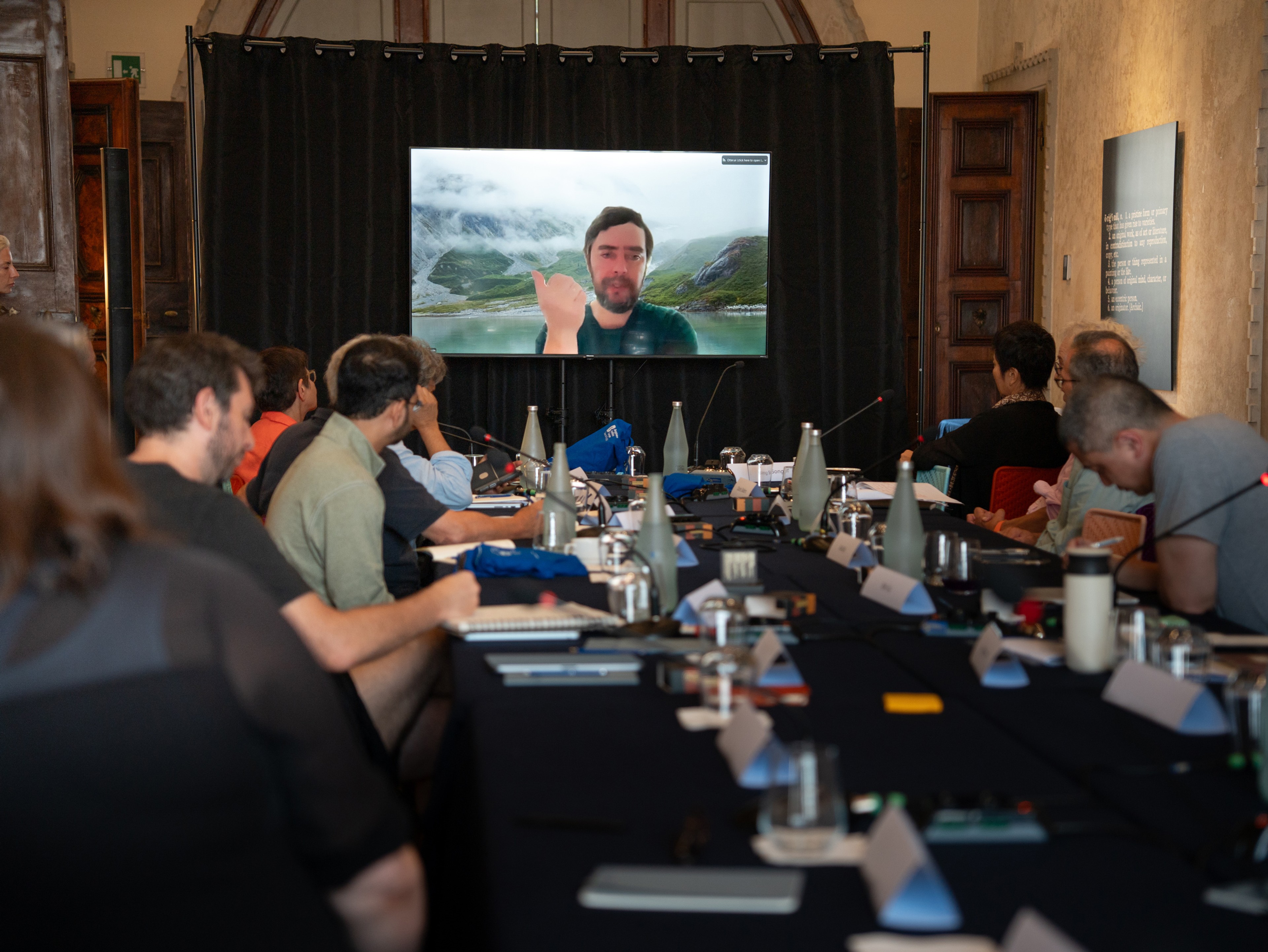
The program moved between lectures, paired dialogues, collective discussion, artistic practice, and meditation, allowing these questions to be approached not only across disciplines, but through different modes of investigating consciousness.
A fuller account of the ideas and debates emerging from the 2026 gathering is now in development.
Outputs
Nicolas Berggruen on Consciousness in Times of India