2026-2027 Berggruen Institute China Fellows Announced

In March this year, the Berggruen Research Center at Peking University (hereinafter referred to as “the Center”) officially launched the application process for the 2026–2027 Berggruen Scholars Program. As of May 31, we received 200 outstanding applications from both domestic and international candidates. We sincerely thank all applicants for their interest in and support of the Center’s work.
After a rigorous evaluation and careful deliberation by the Center’s Fellowship Program Review Committee and Academic Advisory Council, we are honored to invite the following six distinguished scholars as the 2026–2027 Berggruen Fellows.
Details about the scholars’ research fields and specific research plans for the fellowship will be published in the form of interviews on the Berggruen Institute’s website and across social media platforms, including WeChat and video channels. We warmly welcome continued exchange and collaboration from both academic and professional communities.
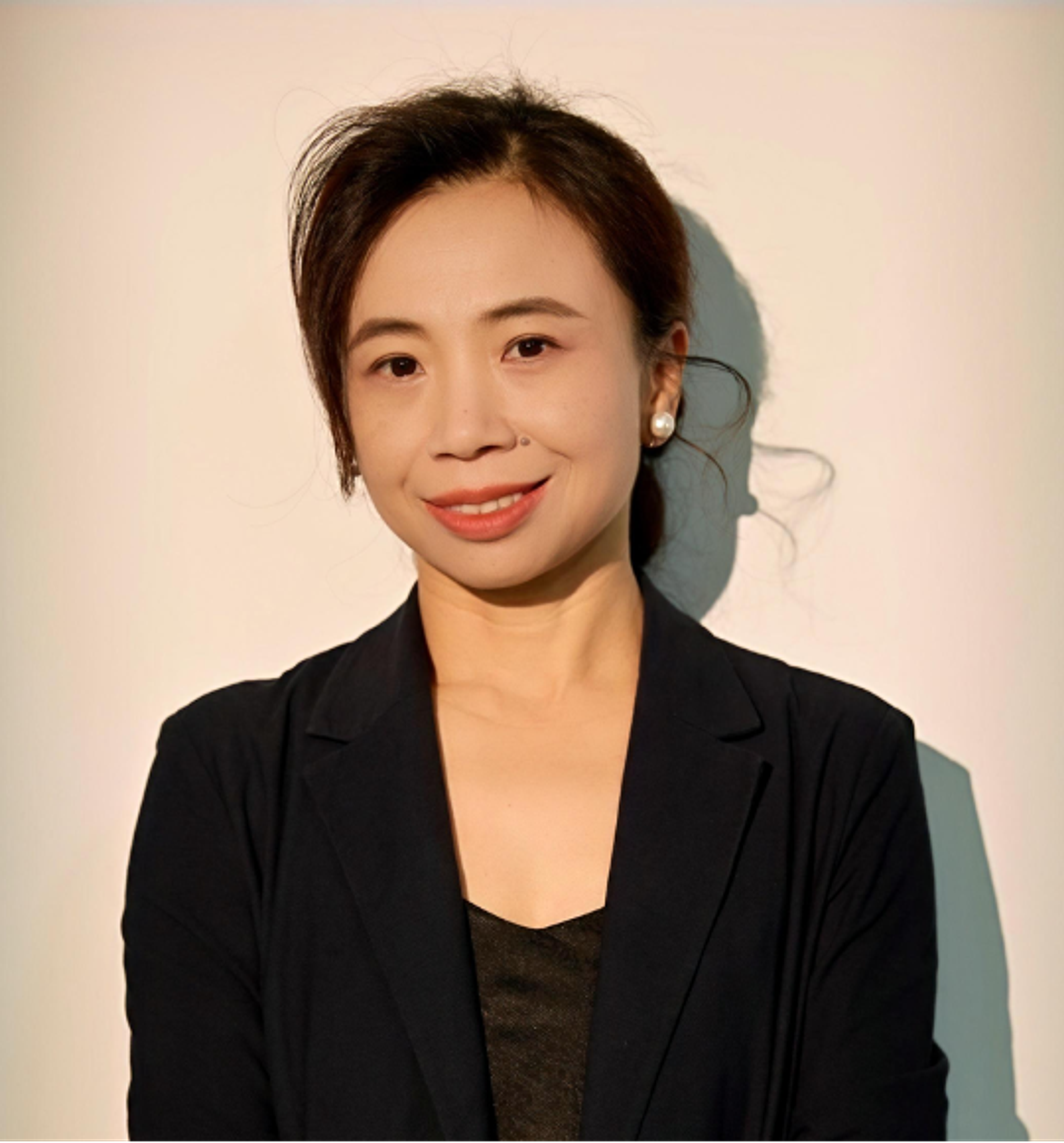
Huan LUO
Huan LUO is a Professor in the School of Psychological and Cognitive Sciences at Peking University, a Principal Investigator at the IDG/McGovern Institute for Brain Research at Peking University, and a Berggruen Fellow (2026–2027).
Her research focuses on the neural mechanisms of human consciousness, learning, and memory. Her recent interests include structured mental models, the active and constructive nature of cognition, and machine consciousness. Her work has been published in leading journals including Nature Human Behaviour, Nature Communications, and Neuron. Her lab is one of six worldwide participating in the COGITATE project, an international adversarial collaboration testing two leading theories of the neural correlates of consciousness.
As a Berggruen Fellow, Prof. Luo will investigate consciousness from the perspective of bounded cognition and explore a biologically grounded framework for evaluating machine consciousness.
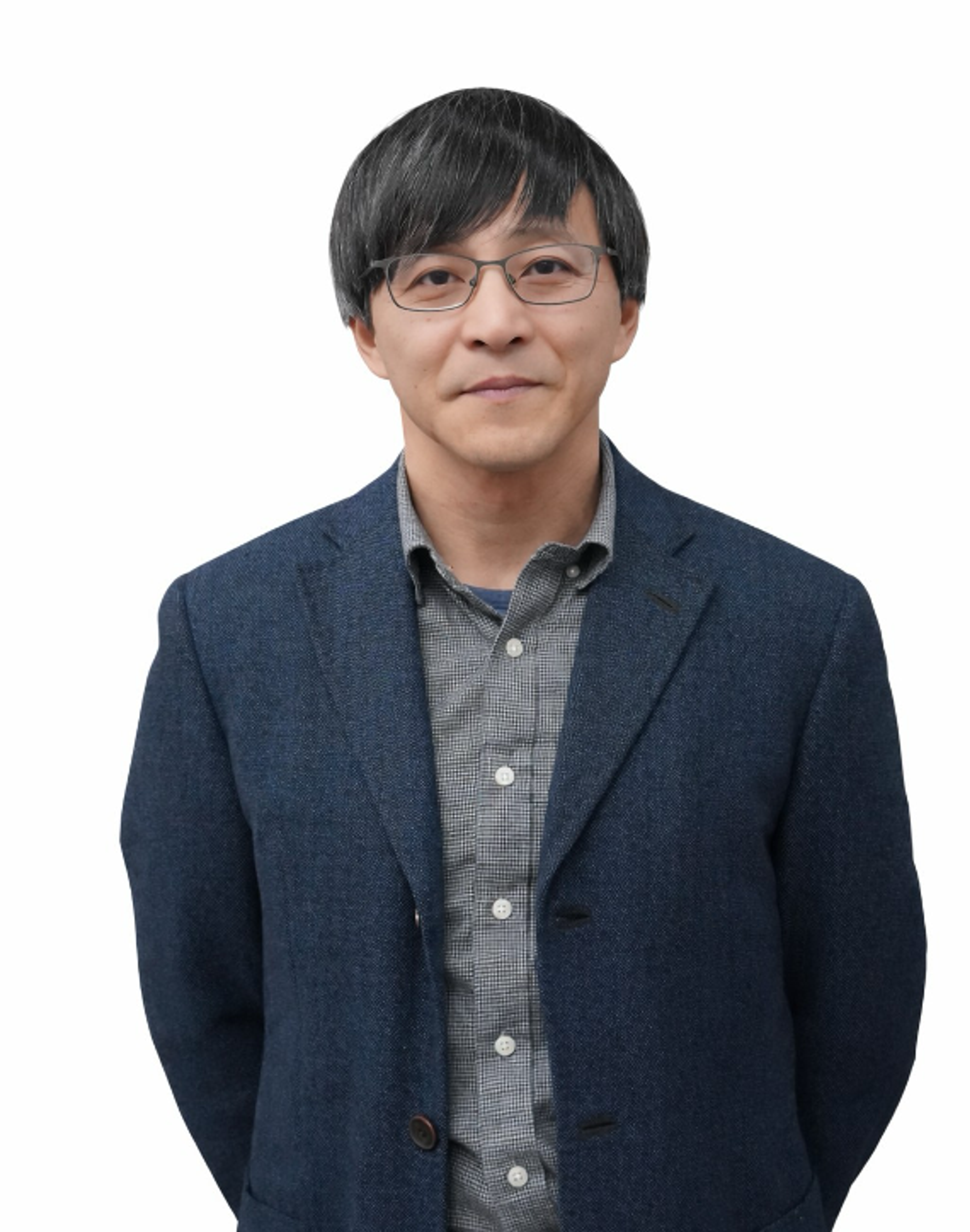
Xinyi FU
Xinyi FU is Professor and Doctoral Supervisor at the School of Philosophy, Fudan University, where he also serves as Chair of the Department of Religious Studies and Director of the Institute of Religious Studies. He is a member of the editorial committee and Deputy Editor-in-Chief of the Sequel to the Chinese Tripiṭaka (Chinese Section), Deputy Editor-in-Chief of Studies of Buddhist Culture, and serves on the editorial boards of journals such as China Social Science Excellence: Religion, Journal of the Buddhist Academy of China, and Hai Chao Yin. He also serves as Doctoral and Master’s Supervisor at several institutions, including the Buddhist Academy of China, the Buddhist College of Minnan, the Buddhist Academy of Zhejiang, the Buddhist Academy of Mount Emei, and the Lingdong School of Guangdong Buddhist College, and is Executive Director of the Research Center for Maitreya Studies at Mount Xuedou. He previously served as Lecturer and Associate Professor at the Center for Studies of Chinese Thinkers, Nanjing University, and subsequently as Associate Professor, Professor, and Doctoral Supervisor at the Department of Philosophy, Nanjing University.
His research focuses on Buddhist philosophy and textual studies, with particular emphasis on Yogācāra, Abhidharma, and Buddhist logic. His publications include A Critical Biography of Xuanzang and Vijñāna and Vijñānapariṇāma: On the Fundamental Issues of Xuanzang’s Vijñānavāda. He has published more than forty academic papers in both Chinese and international journals. He has led multiple research projects, including those funded by the National Social Science Fund of China (NSSFC) and a Key Project of the NSSFC Later-Stage Funding Program. Among other honors, he was awarded the Second Prize of the 10th Ministry of Education Outstanding Achievement Award for Scientific Research (Humanities and Social Sciences).
During his tenure as a Berggruen Fellow, his work will focus on exploring how Buddhist philosophy—particularly the doctrine of Consciousness-Only—and its understanding of language and human thought can provide a constructive theoretical framework for the age of artificial intelligence.
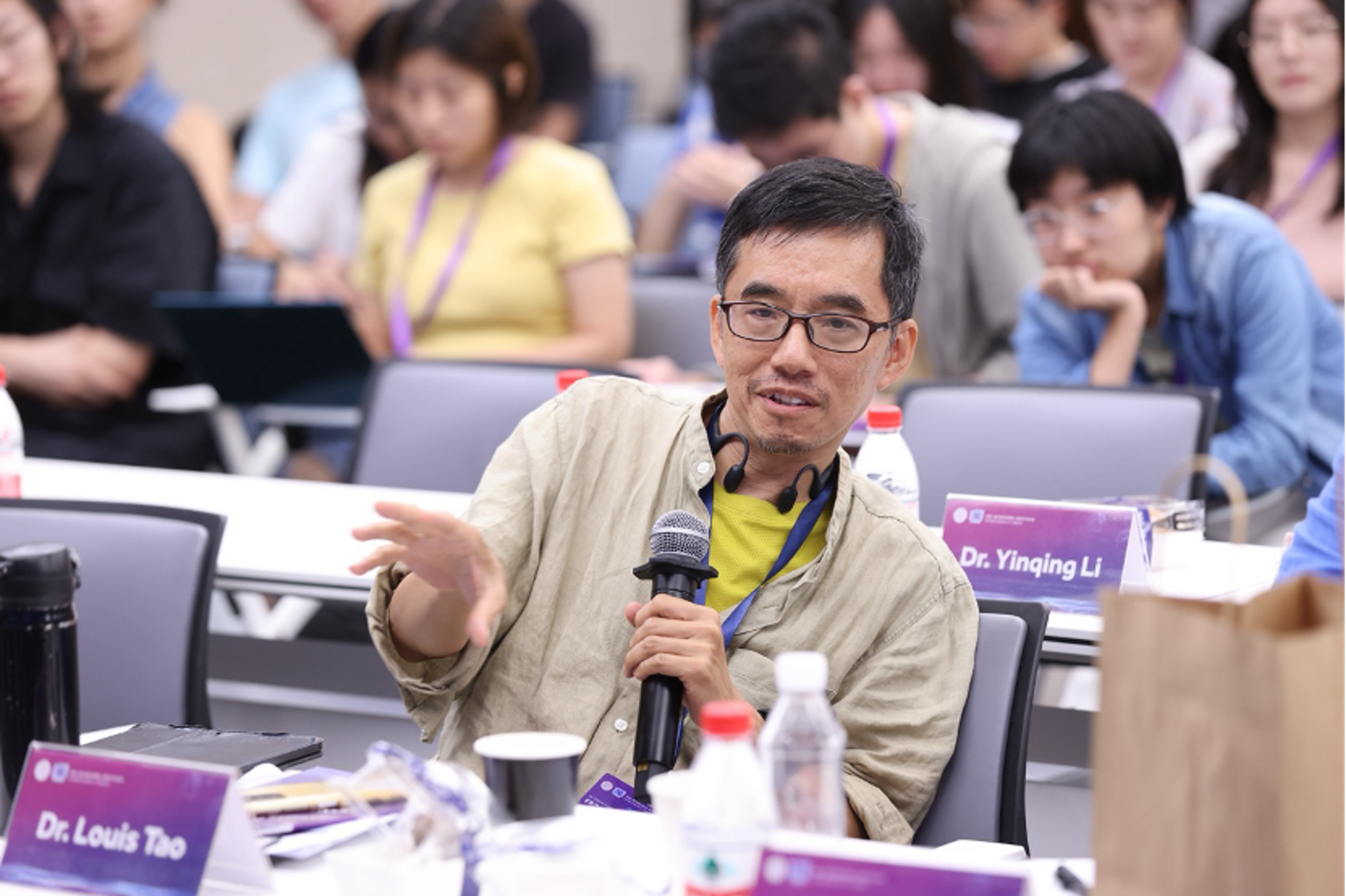
Louis Tao
Louis Tao is a Professor of Life Sciences at Peking University and a computational neuroscientist who has long worked at the intersection of dynamical systems, stochastic spiking-network modeling, and model reduction. His research aims to transform biologically detailed circuit models into tractable mathematical objects that preserve key dynamical mechanisms. He is best known for developing mechanism-driven, mathematically explicit frameworks that bridge three levels in a single program: spiking-circuit biophysics, low-dimensional dynamical structure, and scalable algorithms that run efficiently on modern hardware. His current work spans neuronal population dynamics, brain-inspired computing, and the neural circuitry of behavior in both model organisms.
During the fellowship, Louis hopes to write a short conceptual history of cognitive science organized around the problem of the homunculus: the tendency to explain cognitive capacities by quietly placing inside the system something that already sees, remembers, judges, or decides. The goal is not to reject models, metaphors, or AI, but to ask when they genuinely clarify cognition, and when they simply move the hard part into unexamined mechanisms, fitted parameters, or technical language. In the age of AI, we need a sharper account of what it means for a model to explain, rather than merely reproduce, intelligent behavior.
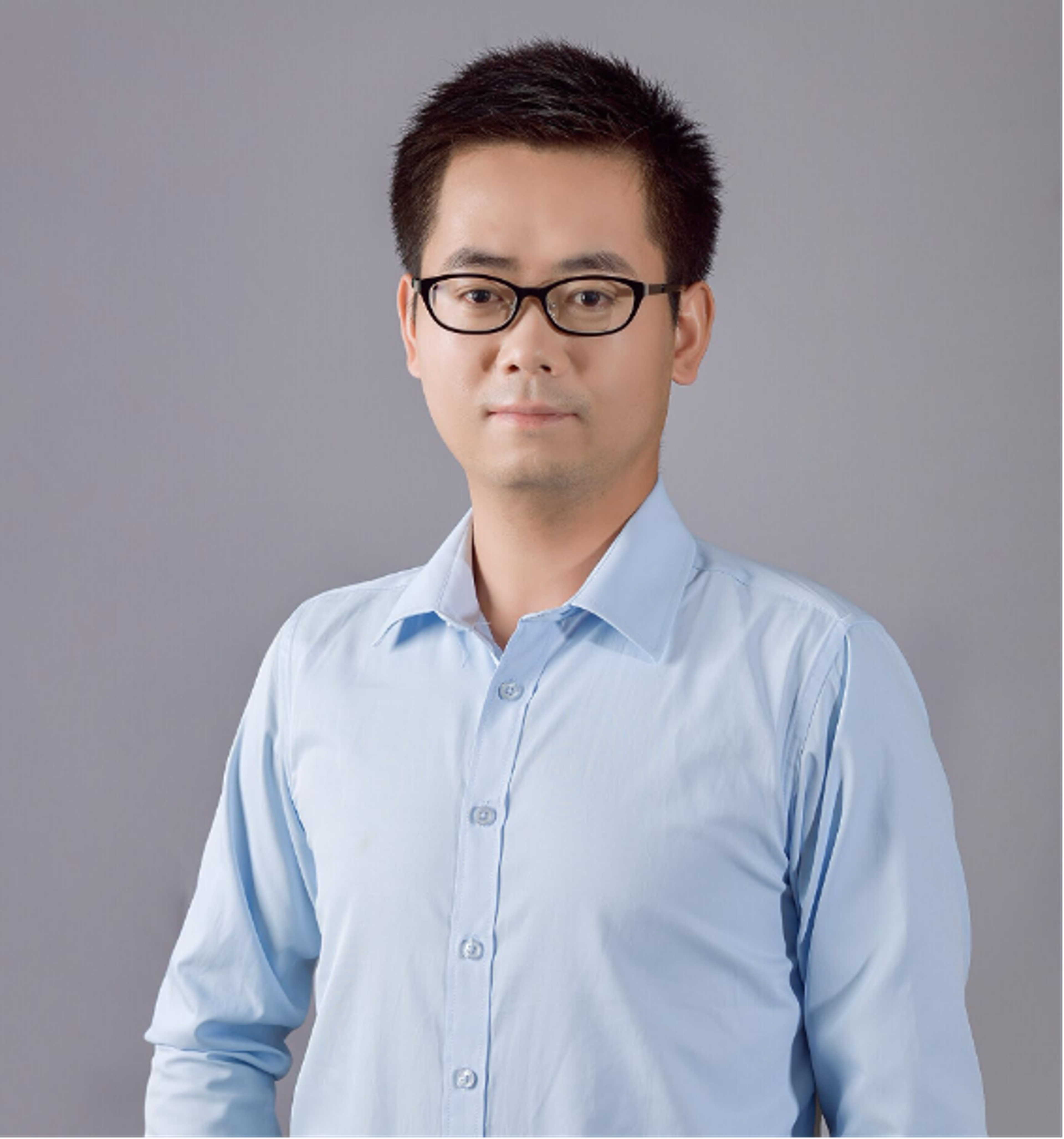
Jianfeng CAO
Jianfeng CAO (Jeff Cao) holds a Ph.D. in Law from the University of International Business and Economics (UIBE). He is an Associate Professor at Shenzhen University Law School and a Research Fellow at the University's Institute for Law and Technology. From 2015 to 2026, he was a Research Fellow at Tencent Research Institute.
Dr. Cao's research examines the policy, legal, ethical, and social dimensions of the internet, artificial intelligence, and other frontier technologies from both academic and industry perspectives. His work centers on AI safety and governance, technology ethics and the philosophy of technology, intellectual property and technology law, and cyber law.
He concurrently serves as a Member of the AI Ethics and Governance Working Committee of the Chinese Association for Artificial Intelligence (CAAI), Vice-Chair of the AI Ethics and Governance Committee of the Shenzhen Association for Artificial Intelligence (SAAI), and an Expert Member of the World Economic Forum's AI Governance Alliance, among other appointments.
He has published dozens of papers and commentaries in major academic journals and media outlets, several of which have been selected for reprint by leading academic digests. He has led the planning and writing of over a dozen industry reports on internet and AI development and governance that have shaped discussion across government, industry, and academia, and has contributed to several books as principal translator or principal author. He speaks regularly at top AI conferences, including IJCAI, ACM FAccT, and the World Artificial Intelligence Conference (WAIC). In both 2024 and 2025, CNKI named him a Top 1% Highly Cited Scholar in Law.
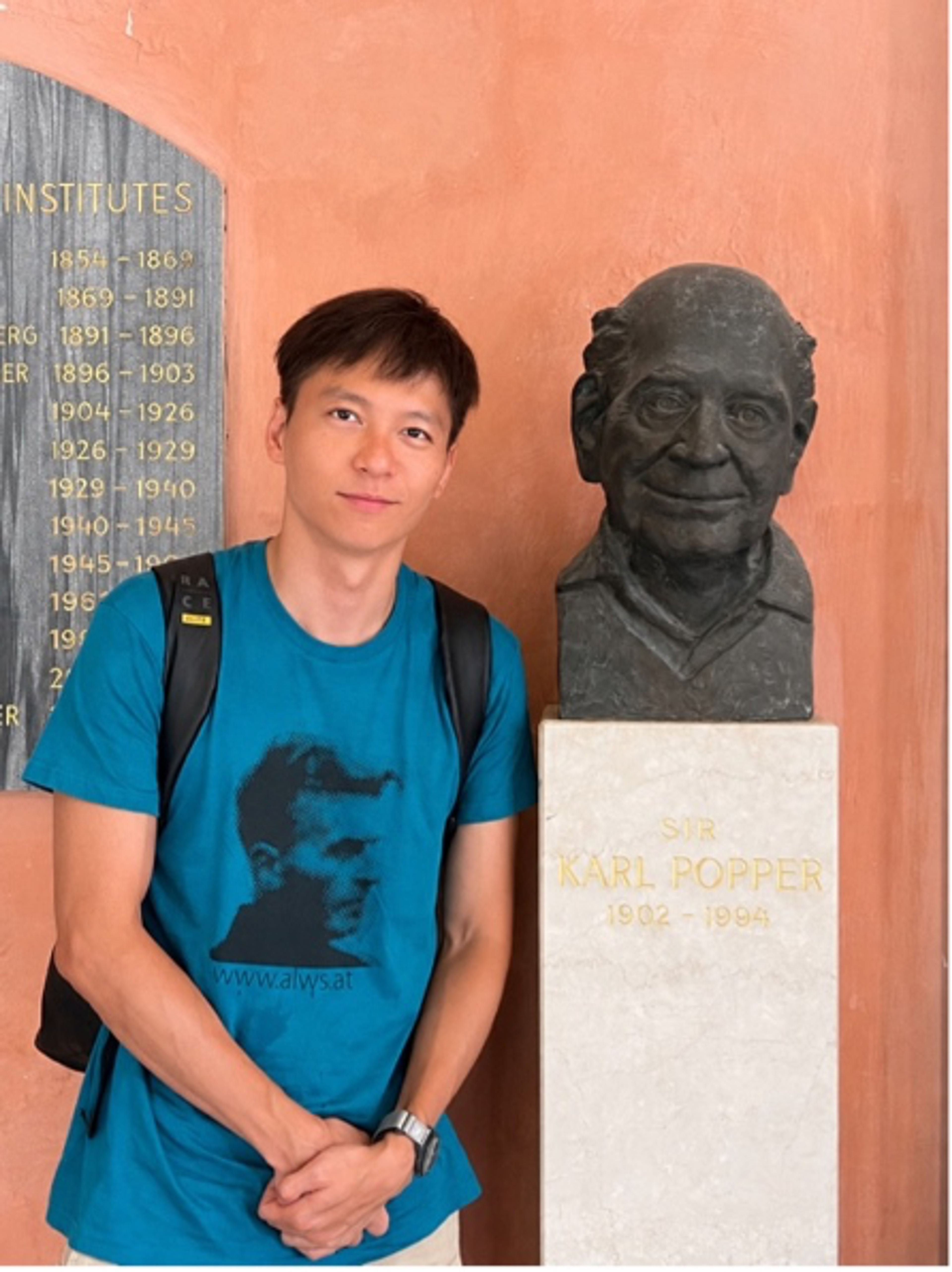
Yiwen ZHAN
Philosopher; Assistant Professor in the Department of Philosophy at Peking University. Zhan received academic degrees from Leipzig University, LMU Munich, and Peking University. Before joining Peking University, he served as a Lecturer and later as an Associate Professor in the School of Philosophy at Beijing Normal University.
His research lies at the intersection of the philosophy of artificial intelligence, formal epistemology, and the metaphysics of science. His broader research interests include modal metaphysics, group ontology, plural logic, the semantics of conditionals, and conceptual engineering.
His recent work examines philosophical questions concerning inquiry, decision-making, and epistemic and practical rationality. He extends these questions to generative AI and machine cognition, with particular attention to consciousness, agency, goal formation, and value orientation in artificial agents.
As a Berggruen Fellow, Zhan will investigate the nature and future of human agency in the age of artificial intelligence. His project develops a theoretical account of “vision” as a mid-level structure of human normative agency. At its core, the project asks a broader question: as intelligent systems become increasingly involved in how people understand themselves and plan their futures, how should we rethink, protect, and expand the human capacity to form, sustain, and revise visions of what is worth pursuing?
Zhan will also pursue a project exploring the present and future roles of philosophy and the humanities in AI research and industry. The project seeks, on the one hand, to encourage the AI sector to reassess the potential value of philosophical and humanistic inquiry and, on the other, to identify realistic directions for the transformation of university-based teaching, research, and training in philosophy and the humanities in the age of AI.
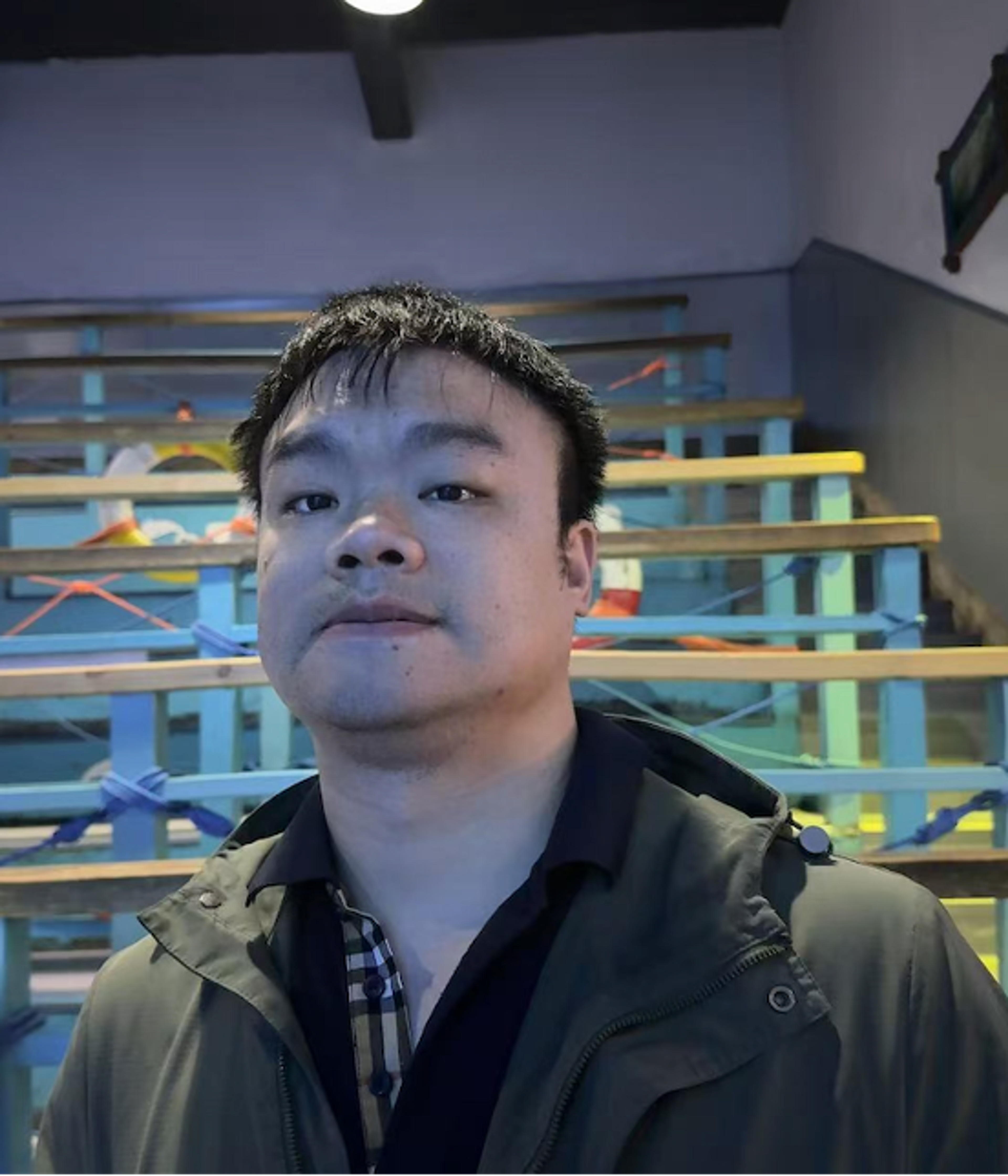
Hao TANG
Assistant Professor, Research Fellow, and Ph.D. Supervisor at the School of Computer Science, Peking University; Director of the Peking University Embodied and Generative Intelligence Laboratory.
He is a 2026–2027 Berggruen Fellow. He has been selected for the National High-Level Overseas Talent Program and supported by prestigious talent programs including the Boya Young Scholar Program, Weiming Young Scholar Program, and BAAI Young Scholar Program. He has been listed among Stanford University’s World’s Top 2% Scientists for three consecutive years.
His research interests span Generative Artificial Intelligence, Embodied Intelligence, Multimodal Learning, and Visual Intelligence, with a particular focus on frontier topics including world models, spatial intelligence, and visual generation. His research aims to develop the next generation of intelligent systems with advanced capabilities in perception, understanding, reasoning, and interaction. He has published over 200 papers in top-tier international journals and conferences, including IEEE TPAMI, CVPR, and ICML, with more than 14,000 Google Scholar citations and an H-index of 58. He received the ACM Multimedia Best Paper Honorable Mention Award. He received his Ph.D. degree from the University of Trento, Italy, and conducted postdoctoral research at Carnegie Mellon University (CMU), USA, and ETH Zurich, Switzerland. He has also visited and collaborated with several internationally renowned institutions, including the University of Oxford, National University of Singapore (NUS), and Northeastern University.
https://ha0tang.github.io/