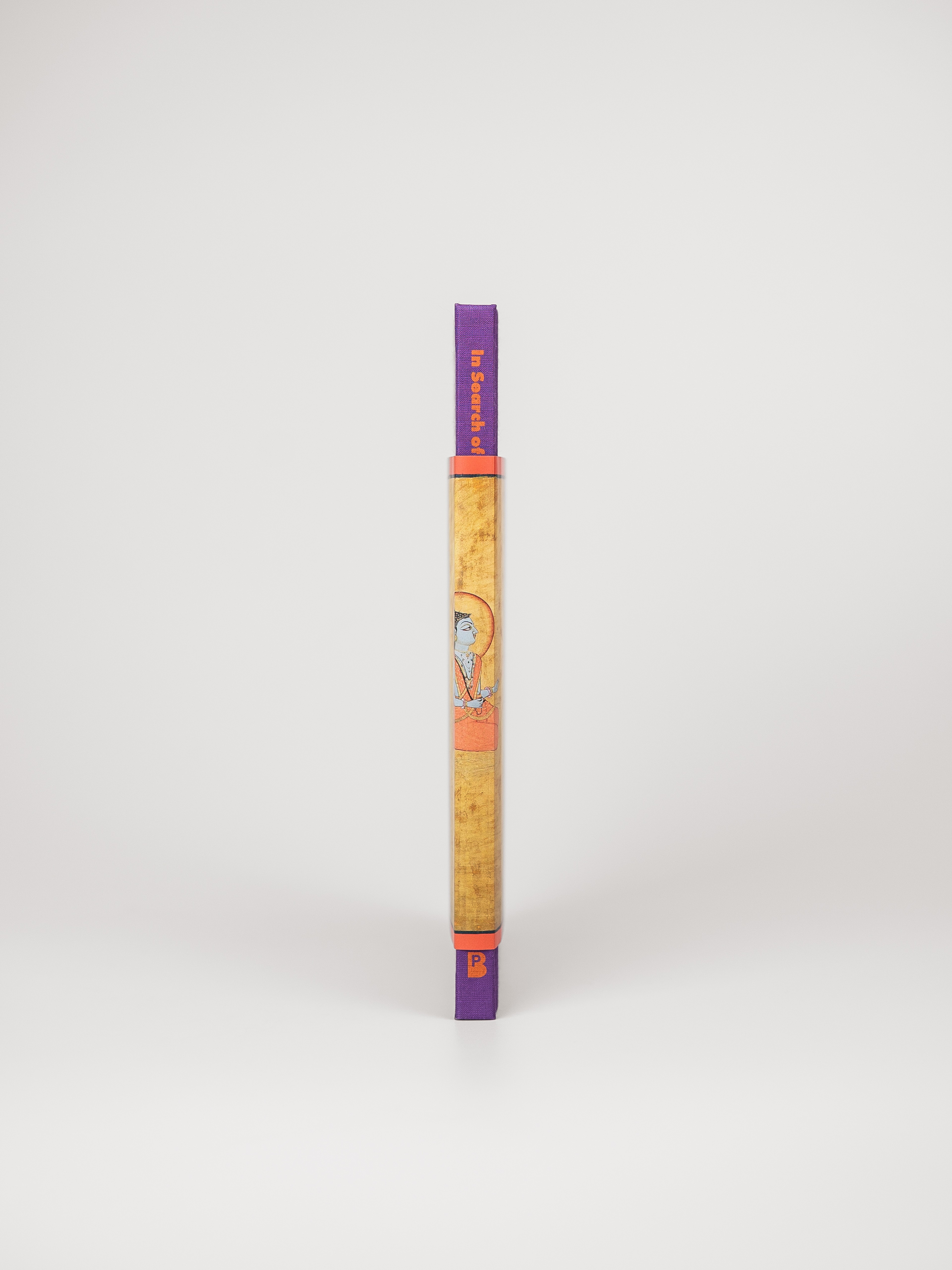
In Search Of Greater India

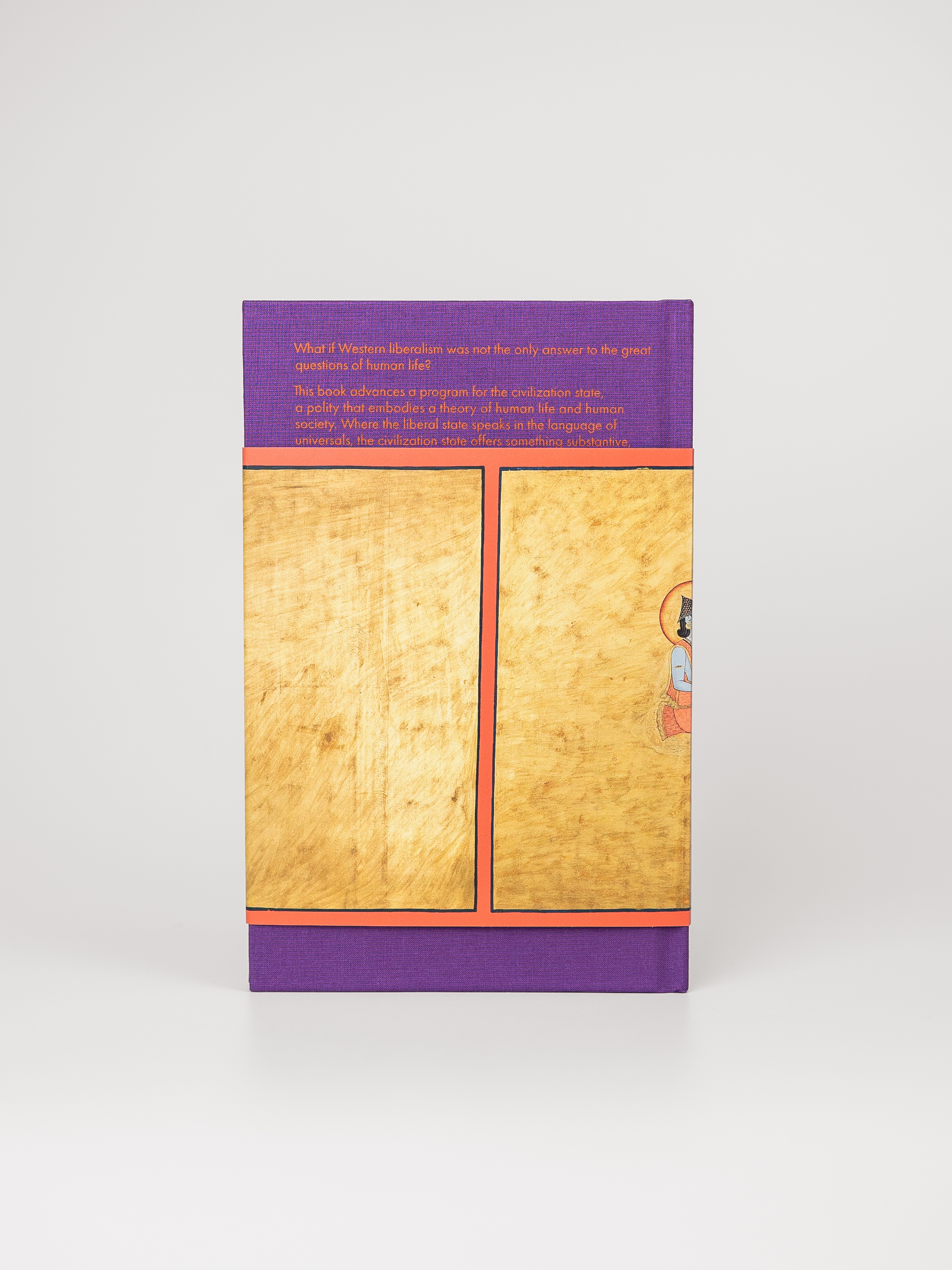
What if Western liberalism was not the only answer to the great questions of human life? What if other peoples, histories, and philosophies held equally plausible visions of what it is to live and to think?
This book advances a program for the civilization state. What is a civilization state? It is a polity that embodies an organized set of ideas about human life and human society, which is radically different from the modern, Western concept of the state. The civilization state gives expression to a worldview.
Where the liberal state speaks in the language of universals, the civilization state offers something contestable, contingent, and rooted: a vision powerful enough to stand the test of reason. The liberal state could only aspire to a final kind of universality because its principles were supposed to be so empty and abstract that they might be seen as compatible with every way of life. A civilization is something else entirely, and a world of civilization states is shaped by different and opposite views of the good life, each embodied in a specific civilization and each pursued in political association within a state of its own.
Taking the Hindu tradition as its case study, Bruno Maçães argues that Indian civilization exists fully independent of liberalism, offering its own coherent answers on religious tolerance, cultural diversity, foreign policy, and political economy. These answers are visible across art, literature, religion, and philosophy, bound together by inner principles with unmistakable political expression.
What is India? The answer to the riddle of existence, Swami Vivekananda said in 1897. Not a nation but a civilization. Every civilization has a peculiar answer to the great riddle. For India, that answer is “the regeneration of man the brute into man the God.” In this pursuit it has never deviated, “whether the Tartar ruled or the Turk, whether the Moghul ruled or the English.” Rabindranath Tagore also spoke of an Indian civilization—“Greater India”—and used the expression to oppose the diminished horizon of nationalism: “In India, the history of humanity is seeking to elaborate a specific ideal, to give to general perfection a special form which shall be for the gain of all humanity.” Or as the novelist Raja Rao says, India is not a desa but a darsana. Desa means “nation” or “country.” Darsana is a way of seeing, a perspective, a worldview, or a civilization. Thus, Greater India.
From Ayodhya to Madurai, Lahore to the Maha Kumbh, this book explores the character of Greater Indian civilization through space and time, uncovering the living coherence of a people and their history. In the process it reveals that there is a path beyond liberalism, one that avoids the perils of political irrationalism and petty cultural squabbles toward deeper understandings between myriad peoples.
Bruno Maçães is a senior advisor at Flint Global, where he advises global companies on geopolitics and technology, as well as a foreign correspondent and columnist for the New Statesman. He is a member of the European Council on Foreign Relations and was Portugal’s secretary of state for European affairs during the eurozone crisis. His books, which have been translated into a dozen languages, include The Dawn of Eurasia, Belt and Road, History Has Begun, Geopolitics for the End Time, and World Builders. He holds a doctorate in political philosophy from Harvard University.
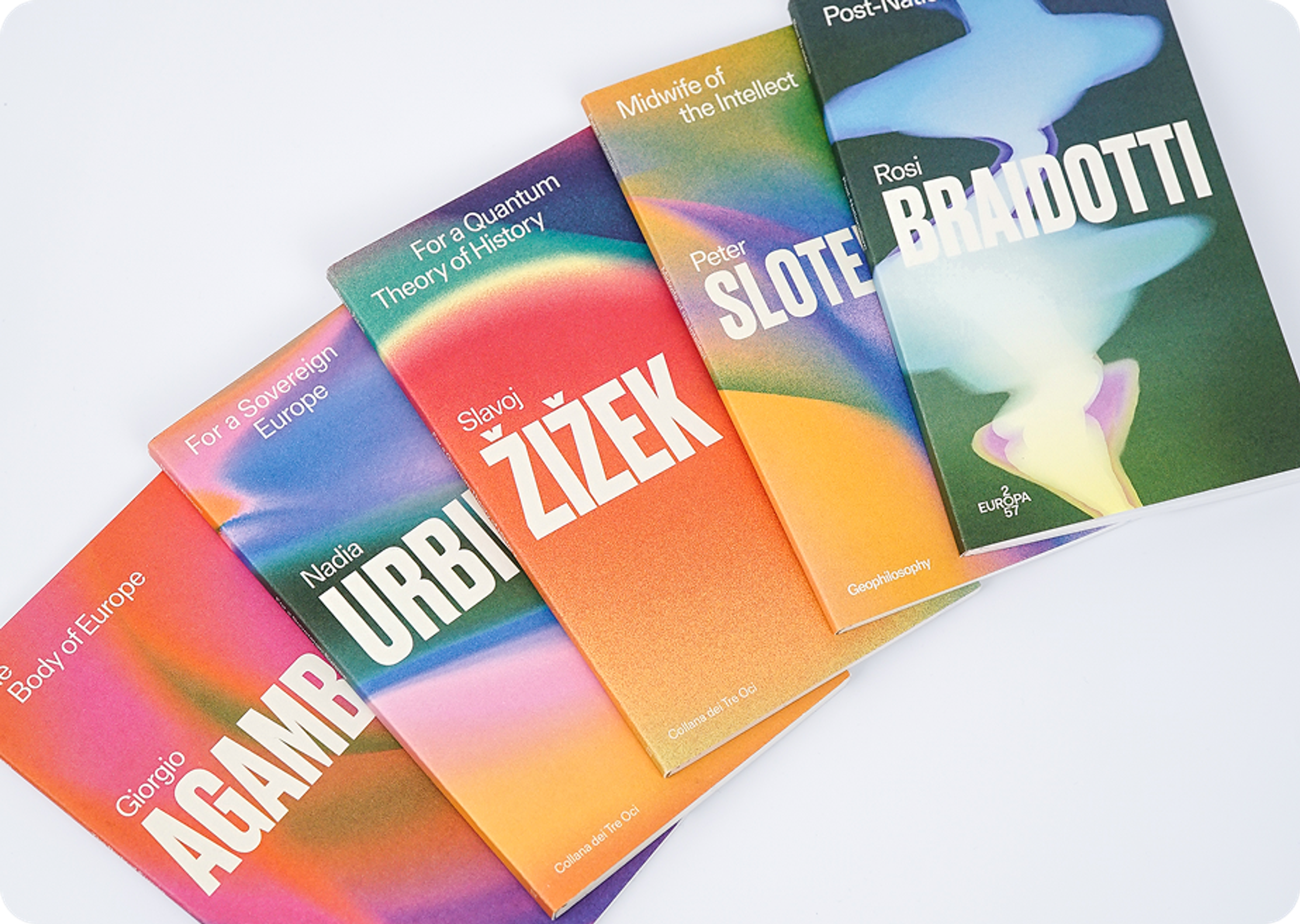
Tre Oci Book Club
Connecting readers with some of the most original thinkers shaping our understanding of the 21st century
Join the Club