Dambisa Moyo
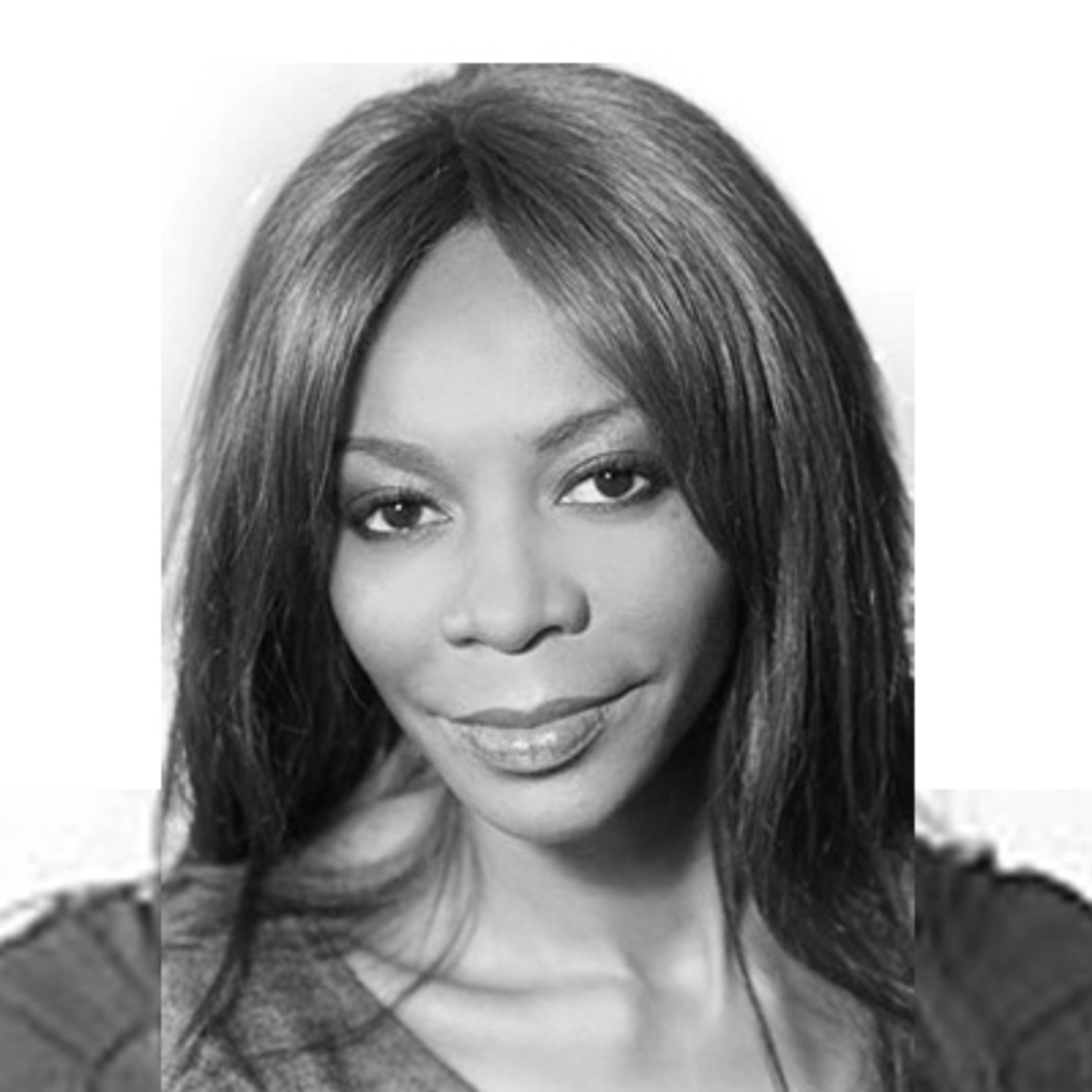
Dambisa Moyo is the CEO and founder of the Mildstorm Group. Mildstorm is a boutique firm that analyzes the global macroeconomy, world financial markets, and works with clients to devise investment strategies.
Dr. Moyo examines the risks and opportunities across the global landscape, including developed, emerging (BRICs), and the frontier economies in Asia, South America, Africa and the Middle East.
She has travelled to nearly 60 countries over the past decade, during which time she has developed a unique knowledge base on the political, economic, and financial workings of the global economy.
Ms. Moyo serves on the boards of the 3M Company and Chevron. She was an economist at Goldman Sachs, where she worked for nearly a decade, and was a consultant to the World Bank in Washington, D.C.
She is the author of 4 New York Times bestsellers: Dead Aid: Why Aid is Not Working and How There is a Better Way for Africa, How the West Was Lost, Fifty Years of Economic Folly and the Stark Choices Ahead, Winner Take All: China’s Race for Resources, and What it Means for the World, and Edge of Chaos: How Democracy is Failing to Deliver Economic Growth – and How to Fix It.
In 2013, Dr. Moyo was awarded the Hayek Lifetime Achievement Award named for the Nobel Prize winner and recipient of the Presidential Medal of Freedom, Friedrich Hayek.
She was named by TIME Magazine as one of the “100 Most Influential People in the World,” and to the World Economic Forum’s Young Global Leaders Forum.
Dr. Moyo is a contributing editor to CNBC, the business and finance news network. Her writing regularly appears in economic and finance-related publications such as the Financial Times and the Wall Street Journal.
She completed a PhD in economics at Oxford University and holds a Masters degree from Harvard University. She completed an undergraduate degree in chemistry and an MBA in finance at American University in Washington, D.C.
Moyo was previously a member of the 21st Century Council and The WorldPost Advisory Council.